Origin Coffee Review 2026: Tried, Tested, Honest Verdict
All recommendations are independently chosen and tested through The Editor Lab. This article contains affiliate links - if you buy through our links, we may earn a small commission at no extra cost to you. This never influences our recommendations.
Origin Coffee Review 2026: Cornwall's Finest in the Cup
There's a stretch of road between Helston and Porthleven, on Cornwall's south coast, where you can smell roasting coffee before you see the building. I drove it for the first time on a grey Tuesday in October 2023, windows down despite the drizzle, and caught that warm, biscuity sweetness rolling off the harbour. That was my introduction to Origin Coffee's roastery. Two Loring Smart roasters humming behind a glass wall. Bags of green coffee stacked high next door. It felt like a place that took coffee seriously without taking itself too seriously.
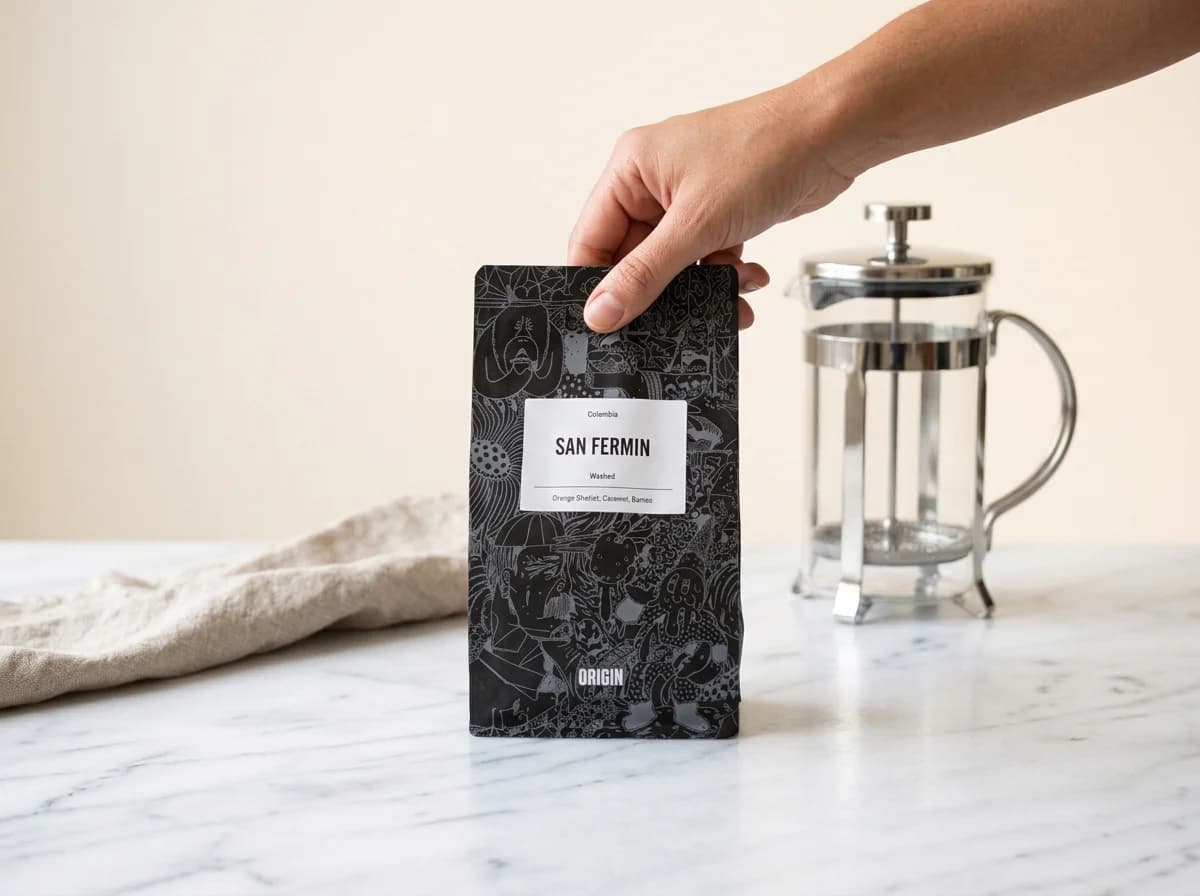
In our roundup of the best coffee beans in the UK, Origin earned the number three spot for Best Single Origin. Their San Fermin, a Colombian lot from Tolima, stood out in blind tasting for its bright acidity, stone fruit sweetness, and a clean finish that barely lingered. This review digs deeper into the full range, the sourcing, and whether Origin deserves a permanent place in your grinder.
Editor's note: James has worked closely with UK speciality roasters for over twelve years and has visited Origin's Porthleven roastery twice, most recently in early 2025. He has no commercial relationship with the brand.
The Brand Story
Origin Coffee was founded in 2004 by Tom Sobey, a Cornishman who caught the speciality coffee bug while travelling in Australia. He returned home, trained as a barista, and set up Cornwall's first dedicated roastery. The early wins came through charm. Tom would walk into meetings with Rick Stein and Watergate Bay, make them a flat white on the spot, and close the deal before the cup was empty.
Two decades on, the company has grown to eight locations across Cornwall, London (Shoreditch, Southwark, the British Library), Bristol, and Edinburgh. The Porthleven roastery, rebuilt in 2021, houses four Loring Smart roasters that use 80% less fuel than conventional machines.
Sourcing sits at the heart of what Origin does. Their Direct Trade model centres on transparent pricing, long-term contracts, and personal relationships with producers. Where direct relationships aren't possible, they work with trusted exporters in Colombia, Brazil, Peru, and East Africa, paying above the C market and Fairtrade minimums. The company became a certified B Corp in 2020 and improved its B Impact score to 95.6 on re-certification. You can explore their sourcing philosophy at origincoffee.co.uk.
How We Tested
We put four Origin coffees through a structured tasting over ten days in February 2026. Equipment included a Hario V60 for pour-over (our default for single origins), an AeroPress for immersion, and a Sage Barista Pro for espresso. Each coffee was tasted black first, then with oat milk. Our three-person panel scored across five SCA-aligned categories: aroma, flavour clarity, body, finish, and overall balance. Scores were logged blind. Full details on our process are available on The Editor Lab™ methodology page.
Taste & Quality
The San Fermin is the headline act. This Colombian lot from Tolima, grown between 1,600 and 2,000 metres by over 50 smallholder producers, is washed-process Caturra at its most expressive. Brewed on the V60, the dry grounds smelled of dried apricot and orange blossom. The first sip was bright. Genuinely bright. A crisp apple acidity hit the front of the palate, followed by layers of stone fruit sweetness and a floral top note that reminded me of jasmine on a warm day. The finish was caramel, smooth and clean, fading slowly without bitterness. One taster wrote "effortless" in her notes. That's the right word.
Through the AeroPress, those floral notes condensed into something richer. The orange came forward, almost like marmalade, while the acidity softened. As espresso, it pulled a thin but persistent crema and delivered a punchy citrus-and-almond shot that cut beautifully through oat milk.
Stronghold, their flagship blend, is the counterweight. Built from three Brazilian lots, it's a dark chocolate and fudge bomb with low acidity and a heavy, rounded body. Not subtle. Not trying to be. Pulled as a double shot on the Sage, it delivered thick crema and a finish somewhere between dark sugar and toasted walnut. For flat white drinkers, this is a reliable workhorse.
We also sampled the Atlas Decaf, processed using a sugarcane method rather than chemical solvents. It held up better than most decafs we've tested, with a gentle nuttiness and a clean finish, though it lacked the complexity of Origin's caffeinated range.
What We Liked
Seasonal single origins that actually rotate. Origin launches a new single origin every Monday. That's 52 different coffees a year. If you subscribe, you're genuinely exploring the world, not drinking the same repackaged blend with new label art.
Sourcing transparency you can trust. The Direct Trade page doesn't hide behind vague language. They name the producers, publish their pricing approach, and back it up with B Corp certification. This is one of the most credible sourcing stories in UK speciality coffee.
The roastery experience. If you're ever in Cornwall, the Porthleven roastery is worth the trip. Glass-walled roasting room, excellent brunch menu, and tasting experiences you can book through the Origin website. It makes the coffee feel less like a product and more like a place.
Loring roasting quality. Across all four coffees, there was zero hint of scorching, uneven development, or baked flavours. The Loring Smart roasters deliver remarkably even profiles, and that investment shows in the cup.
What Could Be Better
Availability can be frustrating. Because single origins rotate weekly, if you fall in love with a specific lot, it might be gone by the time you reorder. The San Fermin is one of their permanent offerings, but many seasonal releases sell out fast or vanish entirely. If you like finding "the one" and sticking with it, that rotating model creates real friction.
The blend selection is also slim. Stronghold and Resolute are the core options, and both lean into that dark, chocolatey, Brazilian comfort zone. If you want a lighter, fruit-forward blend for espresso, Origin doesn't really offer one. You're pushed toward the single origins, which tend to cost more.
Value for Money
Origin's blends sit at around £9 to £10 for 250g, which is competitive for speciality coffee and broadly in line with roasters like Clifton Coffee and Assembly Coffee. Single origins typically land between £10 and £14 for 250g, depending on the lot. The San Fermin, as a permanent fixture, tends toward the lower end of that range.
Subscriptions start at £8.50 and include free delivery, which brings the per-bag cost down noticeably. Compared to supermarket speciality (£6 to £8 for 227g), Origin costs more. Compared to what you'd pay for equivalent quality from roasters like Square Mile or Koppi, it's fair. The quality-to-price ratio on the San Fermin is particularly strong.
The Verdict
Origin Coffee is built for the curious drinker. If you enjoy trying something new each week, tracking where your beans grew and who grew them, and brewing single origins with care, this roastery will reward you. The San Fermin alone justifies the reputation. It's a world-class Colombian that holds its own against anything in the UK market.
It's not for everyone. If you want a wide range of blends, predictable reordering of your favourite lot, or budget bags for the office filter machine, you'll find better options at roasters like Balance Coffee or the best coffee roasters in London. But for single origin quality, ethical sourcing, and a Cornish roastery that genuinely walks the talk, Origin is one of the best in the country.
FAQs
Is Origin Coffee worth the price? For single origin quality, yes. The San Fermin delivers complexity and clarity that rivals roasters charging £14 to £16 per 250g, and Origin's subscriptions with free delivery make the per-cup cost very reasonable. Blends like Stronghold offer solid value at around £9 to £10.
Where is Origin Coffee roasted? All coffee is roasted at their Porthleven roastery in Cornwall using Loring Smart roasters. The facility, rebuilt in 2021, also houses a cafe, training rooms, and tasting experiences open to the public.
Does Origin Coffee offer decaf? Yes. Their Atlas Decaf uses a natural sugarcane process (ethyl acetate derived from sugarcane) rather than chemical solvents. It's a clean, gentle option, though it doesn't match the complexity of their caffeinated range.
Can I visit the Origin Coffee roastery? Absolutely. The Porthleven roastery is open seven days a week and offers a seasonal brunch menu alongside coffee. They also run bookable coffee tasting experiences if you want a deeper look at their process.
How does Origin Coffee source its beans? Origin uses a Direct Trade model built on transparent pricing, long-term contracts, and direct relationships with producers. They're a certified B Corp with a 95.6 B Impact score, and they pay above both the C market and Fairtrade minimums for all their coffee.
James Bellis Forbes-featured coffee expert and wellness founder exploring the intersection of health, performance, and great coffee.
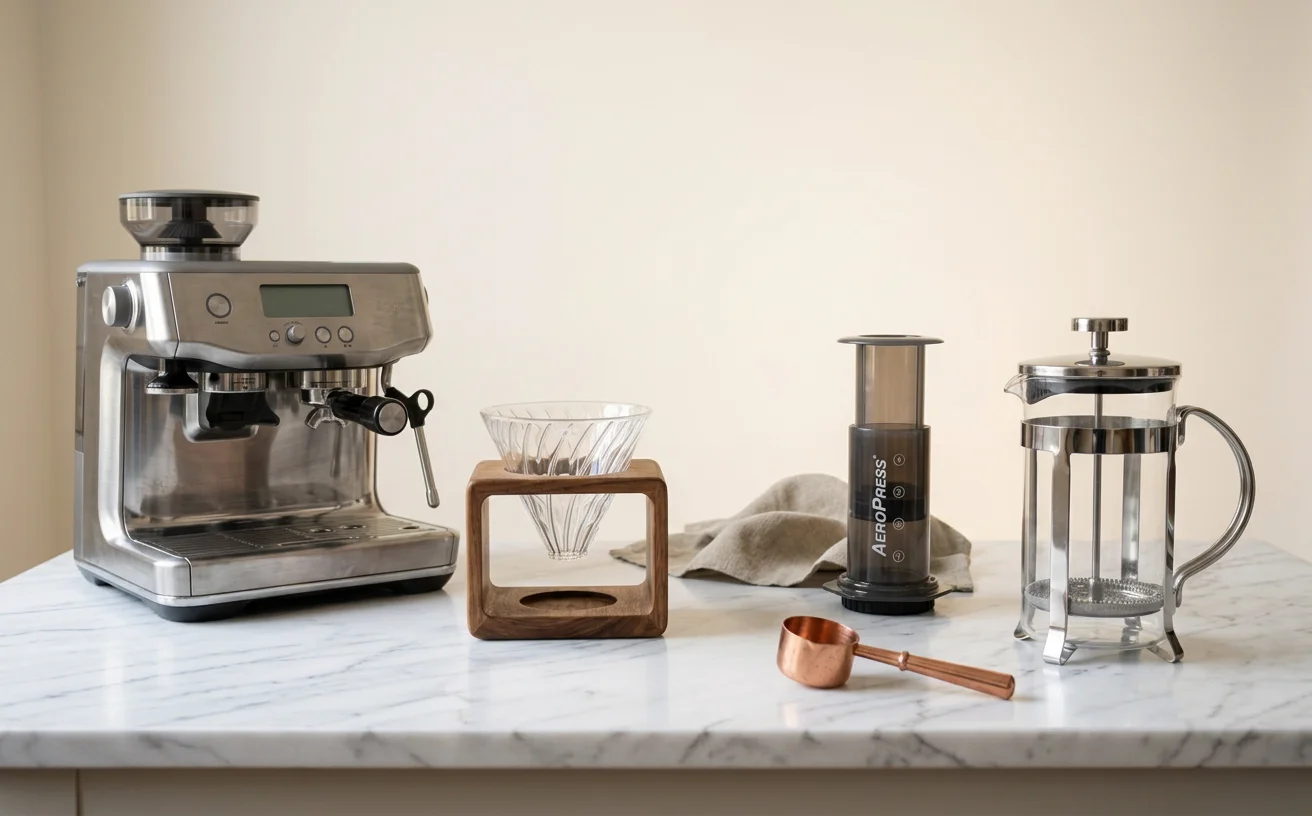
Every product on Balance Journal is tested using the same structured process in The Editor Lab. Four brewing methods, blind tasting, and a transparent scoring framework.
More Reviews
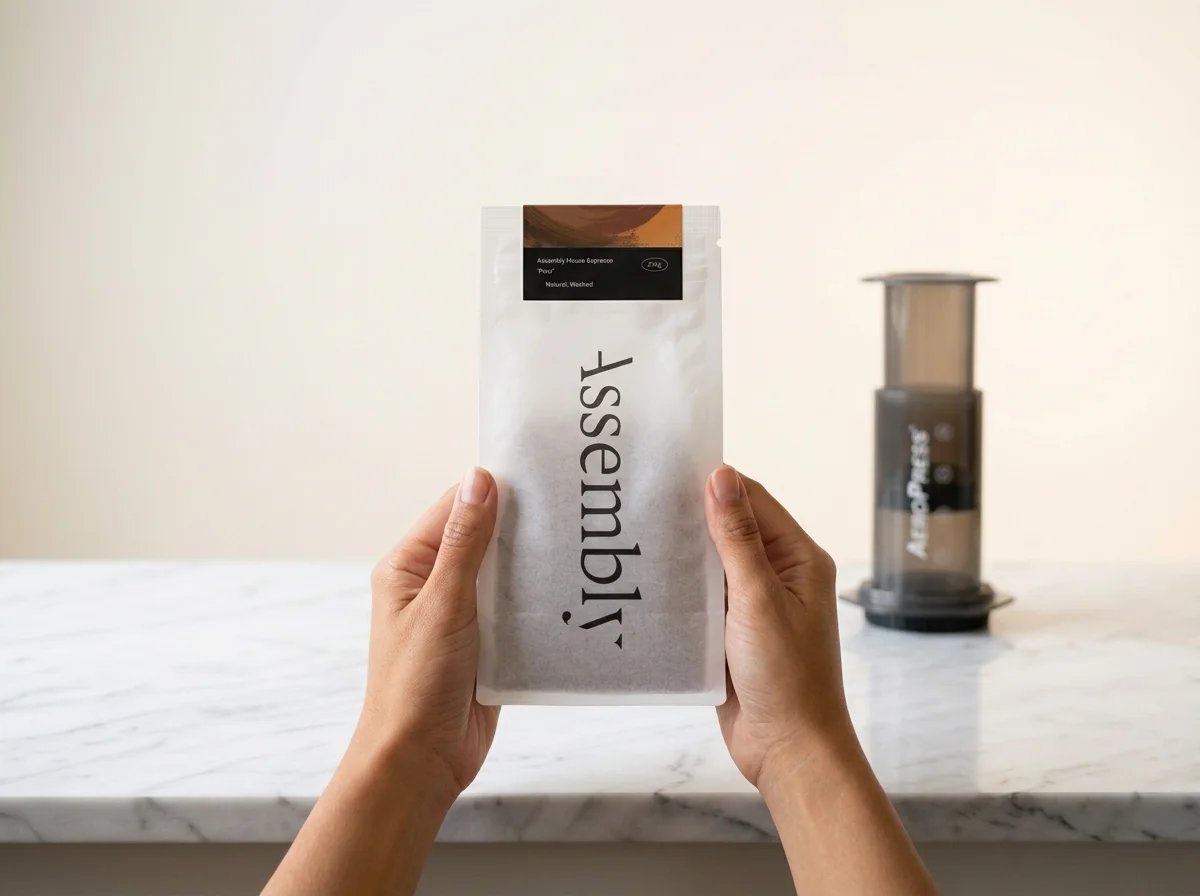
Assembly Coffee Review 2026: Tried, Tested, Honest Verdict
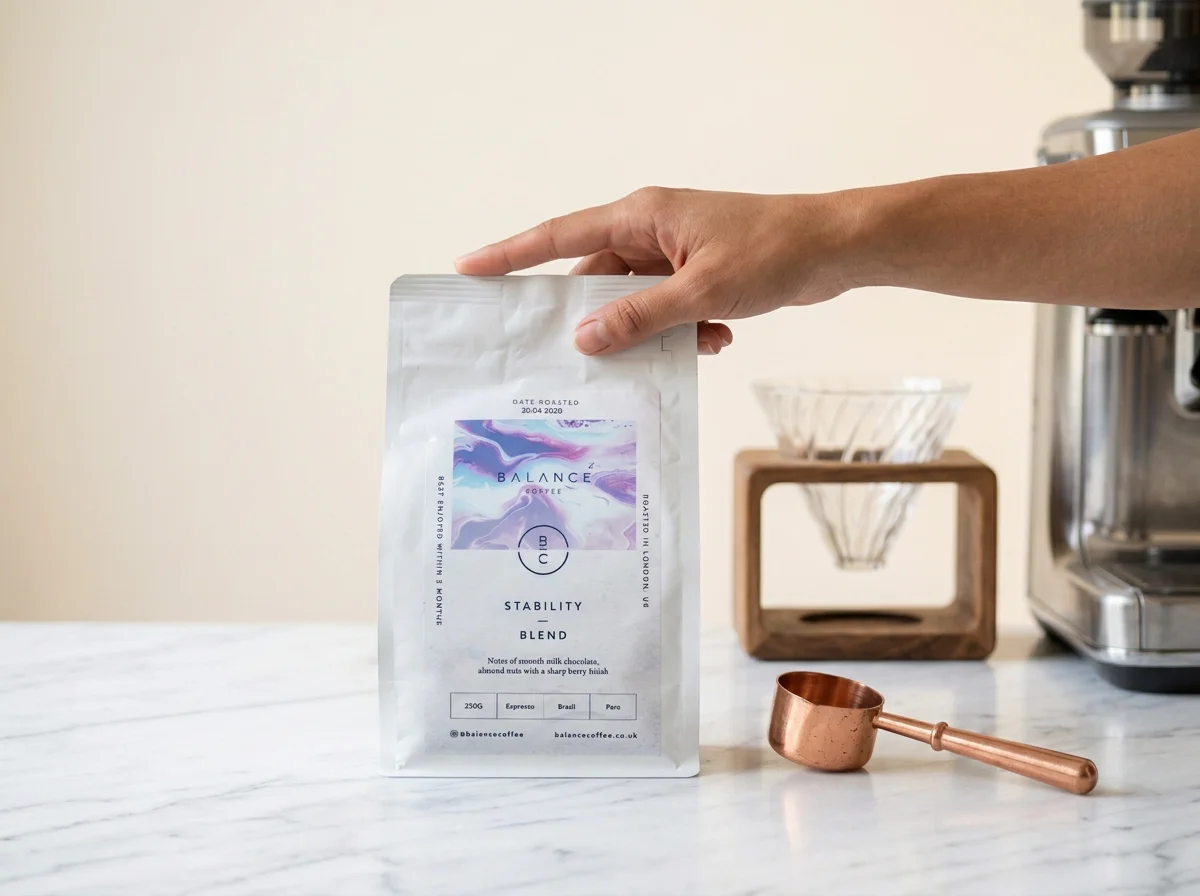
Balance Coffee Review 2026: Tried, Tested, Honest Verdict
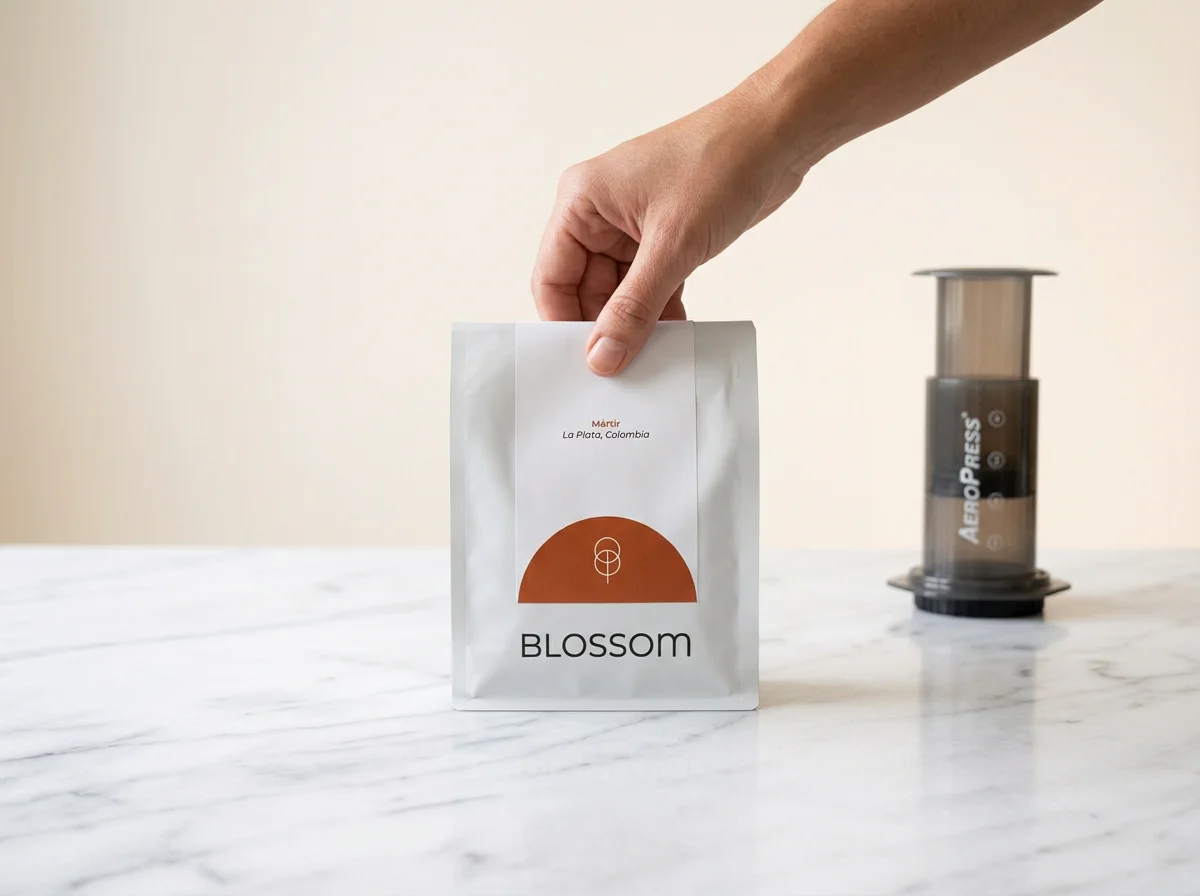
Blossom Coffee Roasters Review 2026: Tried, Tested, Honest Verdict
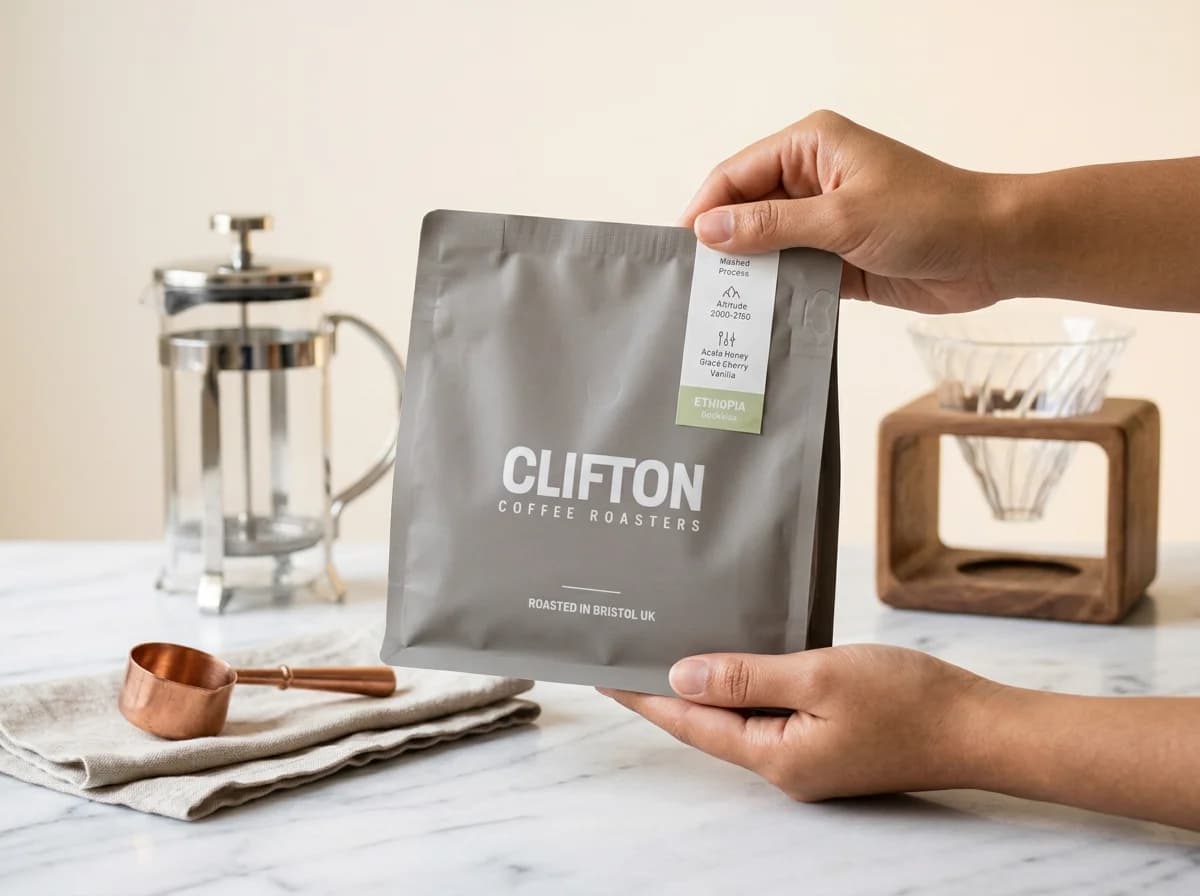
Clifton Coffee Review 2026: Tried, Tested, Honest Verdict
Clumsy Goat Coffee Review 2026: Tried, Tested, Honest Verdict