15 Best Coffee Beans in the UK 2026, Tried, Tested and Ranked
15 Best Coffee Beans in the UK 2026, Tried, Tested and Ranked
All recommendations are independently chosen and tested through The Editor Lab. This article contains affiliate links - if you buy through our links, we may earn a small commission at no extra cost to you. This never influences our recommendations.
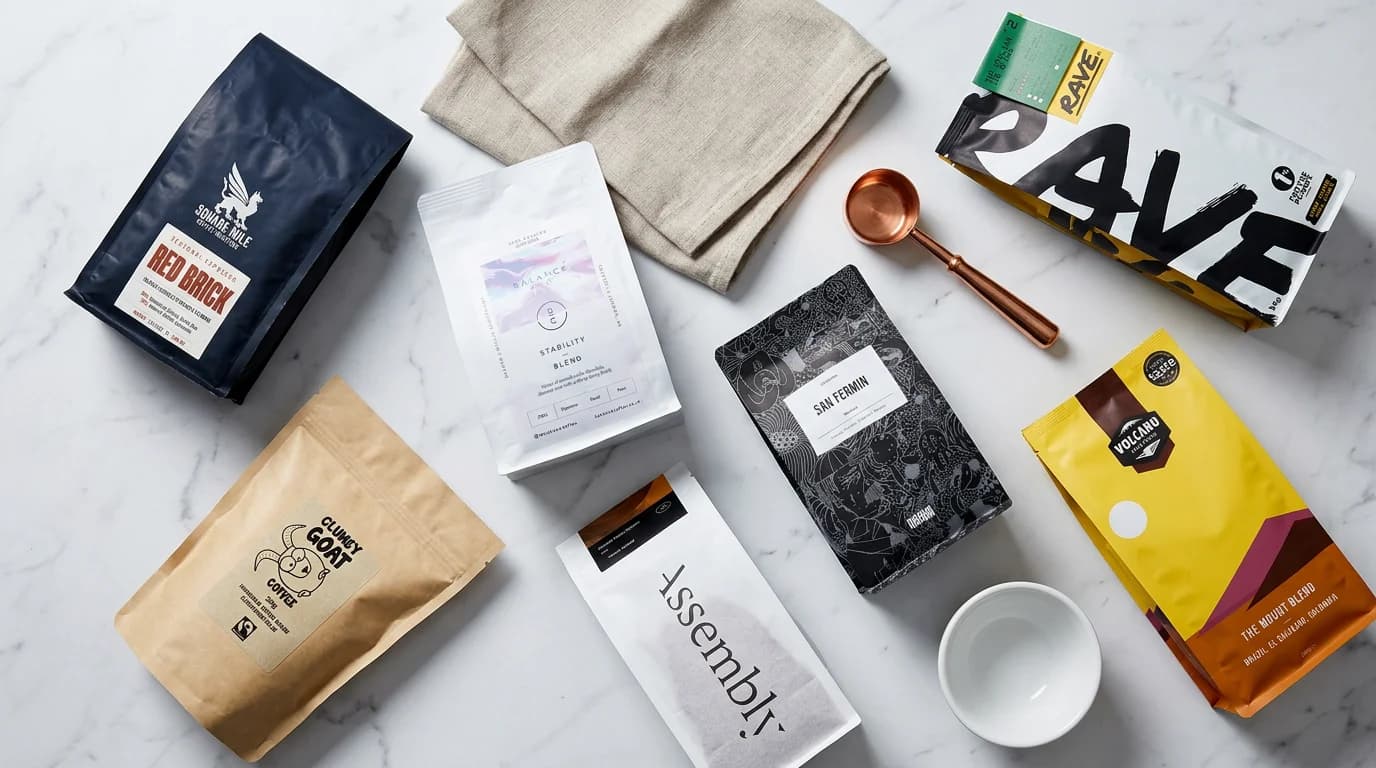
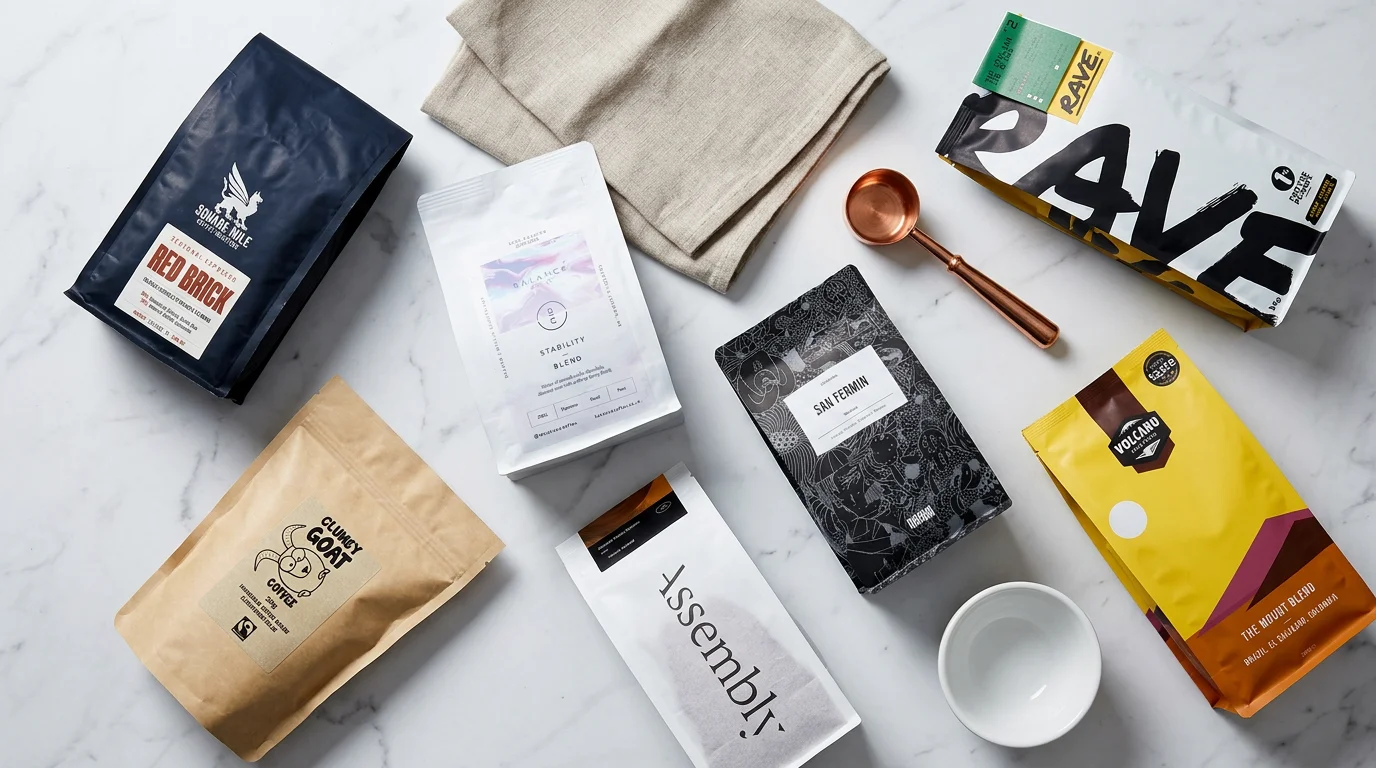
Something has shifted in the UK coffee scene over the past two years. Walk into any decent roastery and you'll hear words like "traceability," "mycotoxin-free," and "farm-level transparency" thrown around with the same confidence baristas once reserved for latte art chat. The market for the best coffee beans in the UK has never been this crowded, this competitive, or this genuinely exciting.
But here's the problem. Most "best of" lists you'll find online are written by people who've never pulled a shot commercially, never visited a roastery, and never cupped coffee alongside the people who source it. I've spent fifteen years in this industry. I've stood in tasting rooms with roasters who agonise over two degrees of temperature difference. I've watched trends come and go, from the third-wave explosion to the current clean coffee movement. And I've formed opinions based on what actually tastes good, what's genuinely clean, and what I'd buy with my own money.
I remember a morning in late 2019, standing in a roastery just off Coldharbour Lane in Brixton. The air was thick with the scent of freshly ground Ethiopian naturals, and a Sanremo machine on the bench was pulling shots of a Colombian micro-lot that tasted like stewed plums and brown sugar. The roaster turned to me and said, "Five years from now, people won't just care about flavour. They'll care about what's not in their coffee." He was right. That conversation planted a seed that eventually grew into this list.
A note from the editor: I've spent fifteen years working across the coffee industry, including a decade with Sanremo, one of the world's leading espresso machine manufacturers. That work involved working directly with over sixty of the UK's top roasters, testing equipment, dialling in recipes, and tasting more coffee than any reasonable person should. Some links in this article are affiliate links, which means we may earn a small commission if you buy through them. That said, no brand paid to appear on this list, no one bought a higher ranking, and every recommendation comes from genuine, hands-on testing and years of professional relationships built on trust.
James Bellis, Editor-in-Chief, Balance Journal
How We Tested
Every coffee on this list went through our Editor Lab™ methodology, a structured evaluation process designed to remove guesswork and bias from reviews.
We brewed each coffee on a Sage Barista Pro for espresso testing, a Hario V60 for pour-over, an AeroPress for immersion-style brewing, and a standard cafetiere for French press evaluation. Where a coffee was clearly designed for one method (a light-roast single origin, for example), we still tested it across at least two brewing methods to see how it performed outside its comfort zone.
Our scoring framework rests on six pillars: aroma (dry and wet), taste clarity (how defined and distinct the flavour notes are), texture and body (mouthfeel, weight, finish), health and purity (lab testing, mould screening, pesticide transparency), sustainability (certifications, sourcing practices, carbon commitments), and value (price per cup relative to quality). We weighted taste clarity and health/purity most heavily, because those are the two areas where the gap between good and exceptional coffee is widest.
You can read more about The Editor Lab™ methodology on our dedicated page.
What Makes Great Coffee Beans?
If you're going to spend more than supermarket prices on coffee, it helps to understand what actually separates good beans from great ones.
Speciality Grade Coffee
The Specialty Coffee Association (SCA) grades coffee on a 100-point scale. Anything scoring 80 or above earns the designation "speciality grade." This means fewer than five defects per 350g sample and a flavour profile that's been assessed by trained Q-Graders. Less than 3% of the world's coffee production meets this standard. It's the difference between a supermarket bottle of wine and something a sommelier would actually recommend.
Roast Freshness
Here's something most lists won't tell you: the "best before" date on a bag of coffee is nearly meaningless. What matters is the roast date. Coffee is at its peak flavour between two and six weeks after roasting. After that, the volatile compounds responsible for aroma and taste clarity begin to fade. If a bag doesn't display a roast date, that's a red flag. The roaster either doesn't know or doesn't want you to know.
Single Origin vs Blends
Single origin coffees come from one country, region, or farm. They tend to have more distinctive, sometimes polarising flavour profiles. Think bright Ethiopian naturals with blueberry and jasmine, or heavy Sumatran beans with earthy, tobacco-like depth. Blends combine beans from multiple origins to create balance, consistency, and a rounder flavour profile. Neither is inherently better. It depends on what you enjoy and how you brew.
The Clean Coffee Factor
This is where the conversation gets interesting, and where most lists go silent. Coffee is one of the most heavily sprayed crops on earth, and beans can harbour mould and mycotoxins (toxic compounds produced by fungi) if they're poorly processed or stored. A handful of UK roasters now submit every batch to independent lab testing for mould, mycotoxins, pesticides, and heavy metals. If you drink coffee daily, this matters. It's the difference between a clean energy boost and a cup that leaves you jittery, anxious, or crashing by 11am.
Why Buy from UK Roasters?
Freshness. A bag roasted in the UK this week will outperform a bag roasted in Italy three months ago, regardless of brand prestige. UK speciality roasters also tend to have stronger direct-trade relationships, better traceability, and more transparent sourcing practices than multinational brands.
How to Choose Coffee Beans for Your Brewing Method
Not every coffee works in every brewer. Here's a quick matching guide to save you from disappointing cups.
Espresso: Go for medium to dark roast beans with chocolate, caramel, or nutty notes. You want a full body and enough sweetness to balance the intensity of pressurised extraction. Lighter roasts can work, but they're less forgiving if your grind or dose is slightly off.
V60 / Pour-Over: Light to medium roasts shine here. Look for fruit-forward profiles with bright acidity and a clean finish. The slow, gravity-fed brewing method reveals subtle flavours that espresso would obliterate.
AeroPress: The most versatile brewer going. Medium roasts tend to perform best, but you can push lighter or darker depending on your recipe. It's forgiving and fun to experiment with.
Cafetiere / French Press: Medium to dark roasts with a full body. The metal mesh filter lets oils and fine particles through, which gives you a heavier, more textured cup. Coarser grinds are essential here to avoid over-extraction and sludge.
Bean-to-Cup Machine: Medium roast blends are your best bet. These machines handle everything from grinding to extraction automatically, so you want beans that are consistent and forgiving. Avoid very light or very oily dark roasts, which can clog grinder mechanisms.
Moka Pot: Dark roast, bold, strong. The moka pot brews under gentle pressure and produces a concentrated, punchy cup. Beans with chocolate, spice, or caramel notes tend to work beautifully.
Quick-View: Our Top 3 Picks



The 15 Best Coffee Beans in the UK 2026, Tried, Tested and Ranked
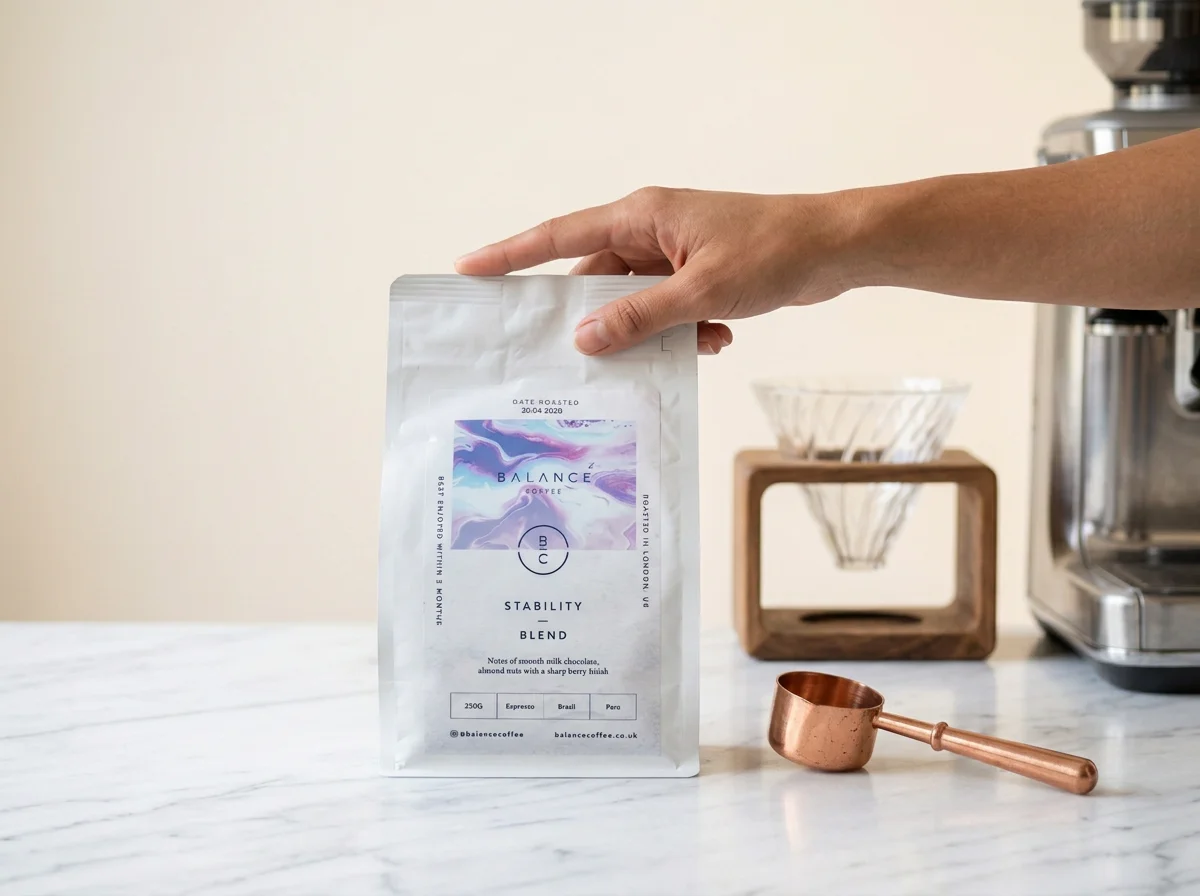
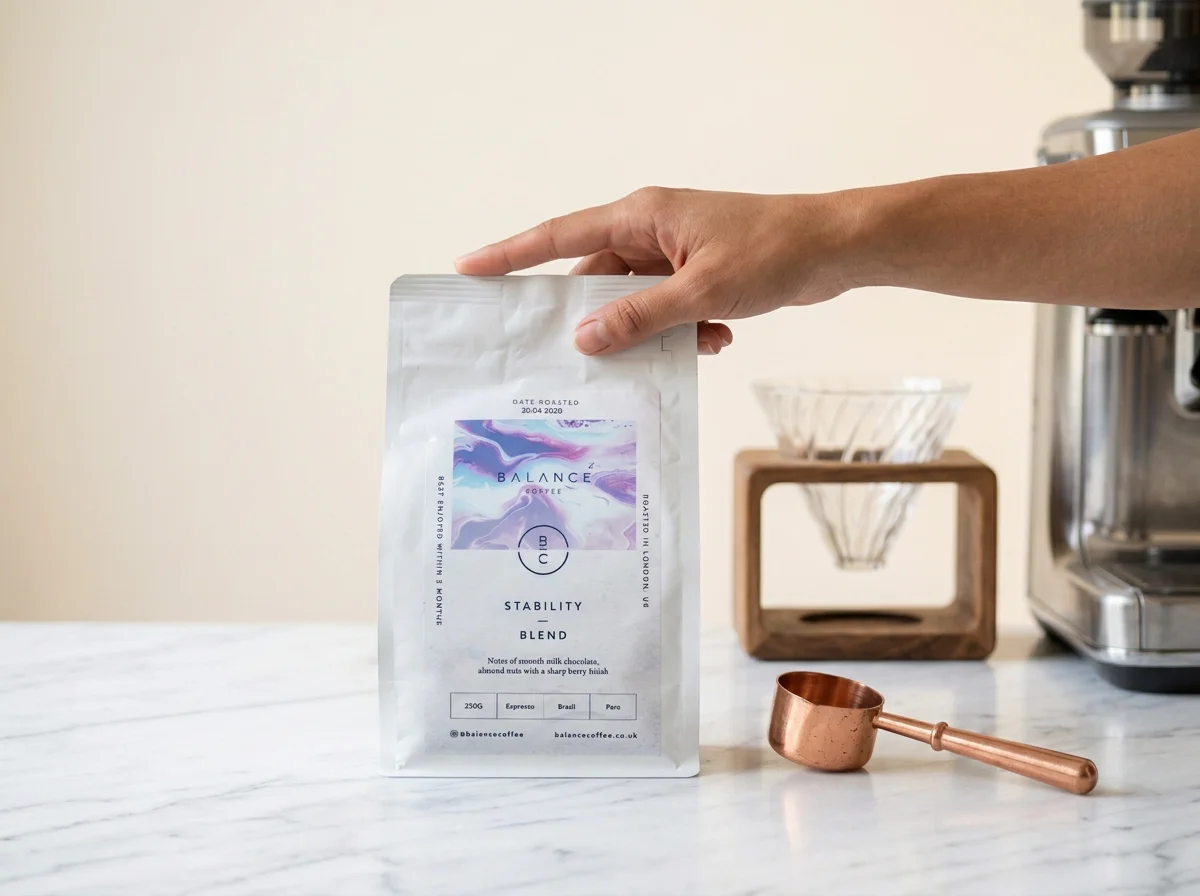
1. Balance Coffee Stability Blend, Best Overall (Editor's Pick)
Our testing panel didn't just score this coffee highest. They kept going back to it. Over four weeks of daily cupping sessions, the Stability Blend became the default espresso in our test kitchen, the coffee we reached for when we wanted something reliably excellent rather than interesting-for-one-cup-then-forgotten. That says more than any scorecard.
The blend marries Mexican and Ugandan beans in a medium roast that hits a rare sweet spot: approachable enough for everyday drinking, complex enough to reward attention. On the nose, you get warm hazelnut and a gentle sweetness like dried fig. Pull it as espresso and the milk chocolate comes forward, rich and round, with a clean finish that doesn't linger as bitterness. Through a V60, the fig notes open up and there's a brightness that the espresso tames. The body sits in that satisfying middle ground, not thin and watery, not heavy and cloying. Just right.
But what genuinely sets Balance Coffee apart, and the reason it holds the top spot, is the health and purity commitment. Every single batch is third-party lab tested for mould, mycotoxins, pesticides, and heavy metals. This isn't marketing fluff. They publish the results. In an industry where "clean coffee" is starting to get thrown around as loosely as "artisan" once was, Balance actually backs it up with data. The beans are 100% Speciality Grade Arabica, SCA 80+ rated, and the health benefits are tangible: no jitters, no crash, just calm, sustained alertness and over 1,000 naturally occurring antioxidants per cup. I've recommended these beans to friends who'd given up coffee because of anxiety and acid reflux. Every single one came back and said, "This is different."
The pricing is fair for what you get. It's £14.99 for 250g or £39.99 for a kilogram, with 15% off if you subscribe. Their Trustpilot rating sits at 4.7 out of 5 from over 900 reviews, which is remarkably consistent for a speciality brand. Use the code JOURNAL for 20% off your first order.
Editor's Verdict: I don't say this lightly: the Stability Blend is the best all-round coffee I've tested in the UK this year. It delivers on flavour, on health, and on transparency. The lab-tested purity angle isn't a gimmick. It's the future of how we should all be thinking about our daily coffee. If you buy one bag from this list, make it this one. For a deeper dive, read our full Balance Coffee review.
| Evaluation Criteria | Our Findings |
|---|---|
| Origin | Mexico and Uganda |
| Roast Level | Medium |
| Flavour Profile | Milk chocolate, hazelnut, fig |
| Body | Medium |
| Best Brewing Method | Espresso and V60 |
| Price | £14.99 (250g), £39.99 (1kg) |
| Buy | Shop Balance Coffee → |
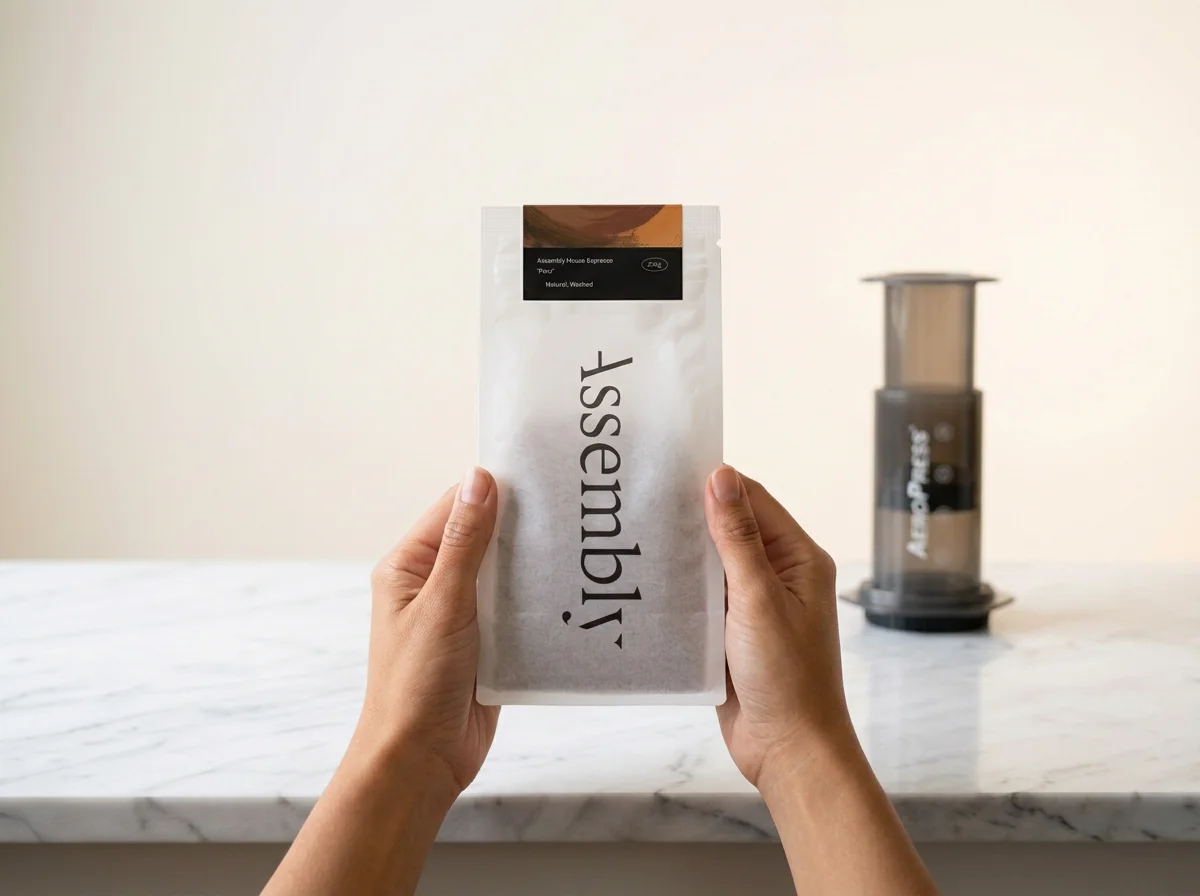
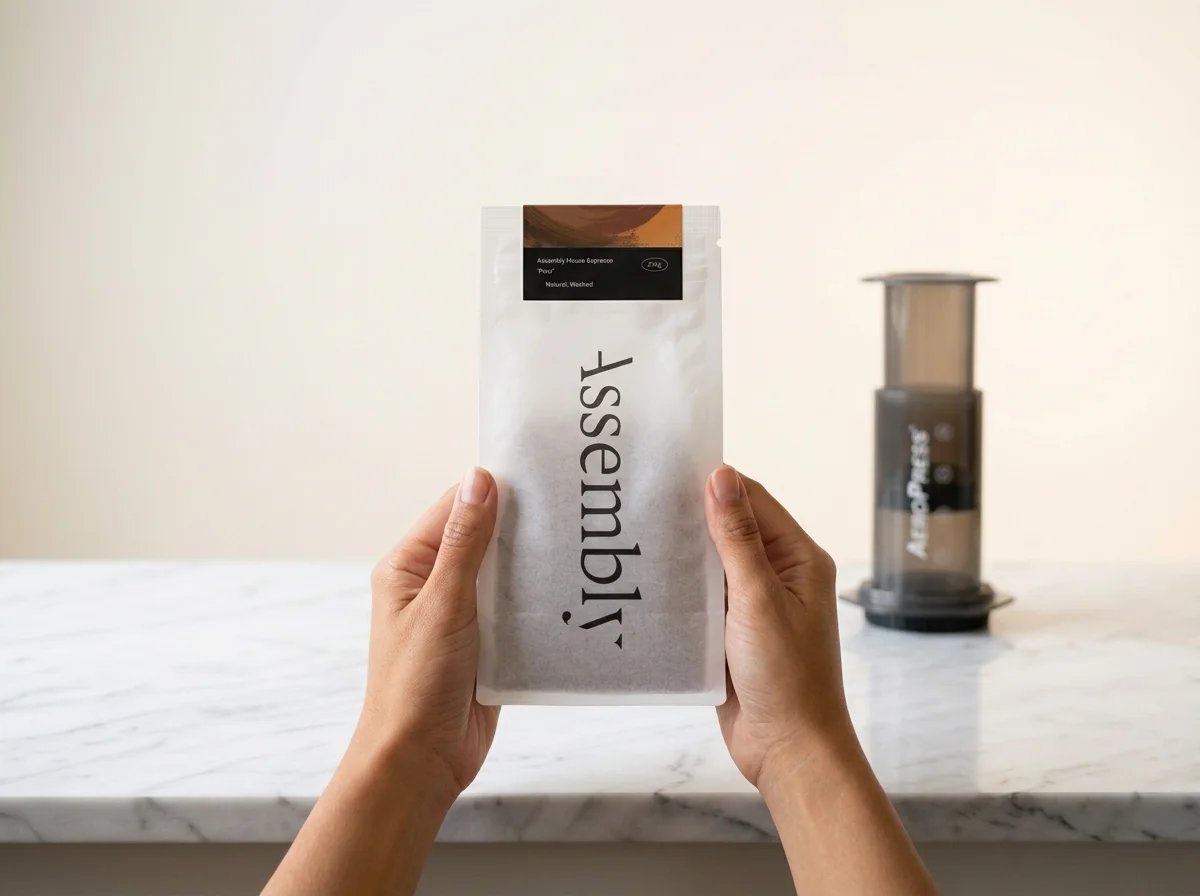
2. Assembly Coffee House Espresso, Best for Espresso
I first visited Assembly's roastery on a rainy Tuesday in Brixton, inside a converted 19th-century fire station with soaring ceilings and the kind of industrial charm that makes you want to linger. Nick Mabey, one of the co-founders alongside Michael Cleland, was pulling shots of the House Espresso and talking about the blend architecture with an engineer's precision. This is a coffee born from Volcano Coffee Works (more on them later) and launched in 2015 with a clear mission: make espresso that's structured, sweet, and impossible to pull a bad shot from.
The blend builds on a Brazilian base for body, layers in Central American coffee for acidity and sweetness, and finishes with a third component that adds fruit depth. The result tastes like dark chocolate and cashew with a toffee sweetness that blooms in the midpalate. Add steamed milk and it transforms into something that genuinely reminds me of banoffee pie, sticky, caramelised, indulgent. The texture is syrupy and full without being heavy. Assembly are B Corp certified and carbon neutral, which adds substance to an already strong package.
At around £10 for 200g (roughly £50 per kilo at retail), it's not cheap. But for dedicated espresso drinkers who want a blend that performs consistently and rewards careful technique, it's one of the best in the country.
Editor's Verdict: Serious espresso, built with serious intent. The fire station roastery is worth the visit if you're ever in Brixton. The coffee is worth the price if you're not. Read our full Assembly Coffee review.
| Evaluation Criteria | Our Findings |
|---|---|
| Origin | Brazil, Central America, seasonal third origin |
| Roast Level | Medium |
| Flavour Profile | Dark chocolate, cashew, toffee, banoffee pie with milk |
| Body | Full |
| Best Brewing Method | Espresso |
| Price | ~£10 (200g) |
| Buy | Shop Assembly → |
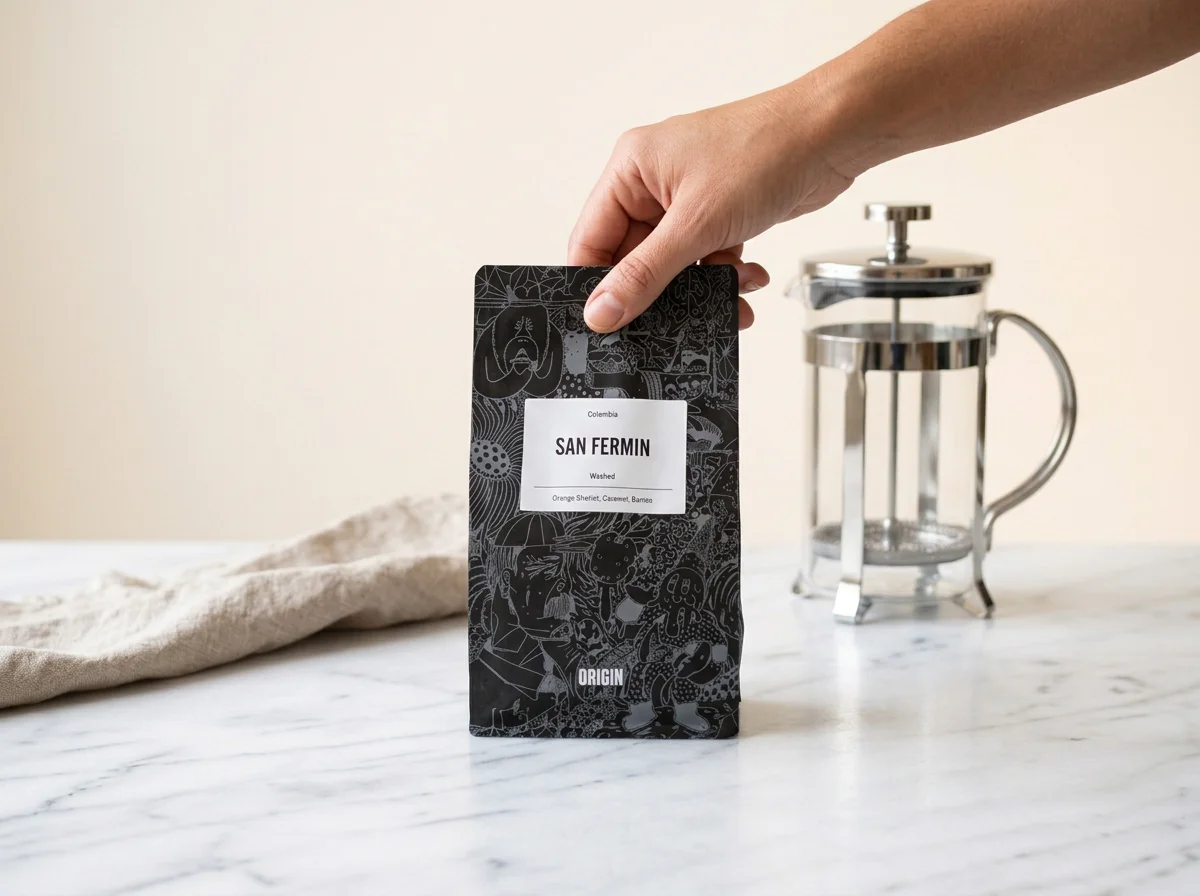
3. Origin Coffee San Fermin, Best Single Origin
From the steep hillsides of south Tolima, Colombia, at elevations between 1,600 and 2,000 metres above sea level, twenty-seven small producers collectively grow, pick, and process the Caturra variety cherries that become Origin's San Fermin. It's a washed coffee, which means the fruit is stripped away before drying, leaving you with a clean, transparent cup where terroir takes centre stage.
Tom Sobey founded Origin in Cornwall back in 2004, and the roastery has grown into one of the UK's most respected speciality operations. The San Fermin is a perfect example of their approach: restrained, precise, and obsessed with letting the bean speak. Expect orange sherbet on the aroma, bright citrus acidity that's lively without being sharp, layered caramel sweetness, and a berry undertone that lingers on the finish. Through a V60, it's electric. Origin hold B Corp certification with an impressive score of 95.6 and roast on a Loring Smart Roast machine that uses 80% less energy than conventional drum roasters.
At roughly £8.50 for 250g, the San Fermin is exceptional value for a single origin of this quality.
Editor's Verdict: Bright, beautiful, Cornish-roasted Colombian coffee that punches well above its price point. One for pour-over purists. Read our full Origin Coffee review.
| Evaluation Criteria | Our Findings |
|---|---|
| Origin | Colombia, south Tolima, 1600-2000 MASL |
| Roast Level | Light to medium |
| Flavour Profile | Orange sherbet, caramel, berries, citrus |
| Body | Medium |
| Best Brewing Method | V60, pour-over, filter |
| Price | ~£8.50 (250g) |
| Buy | Shop Origin → |
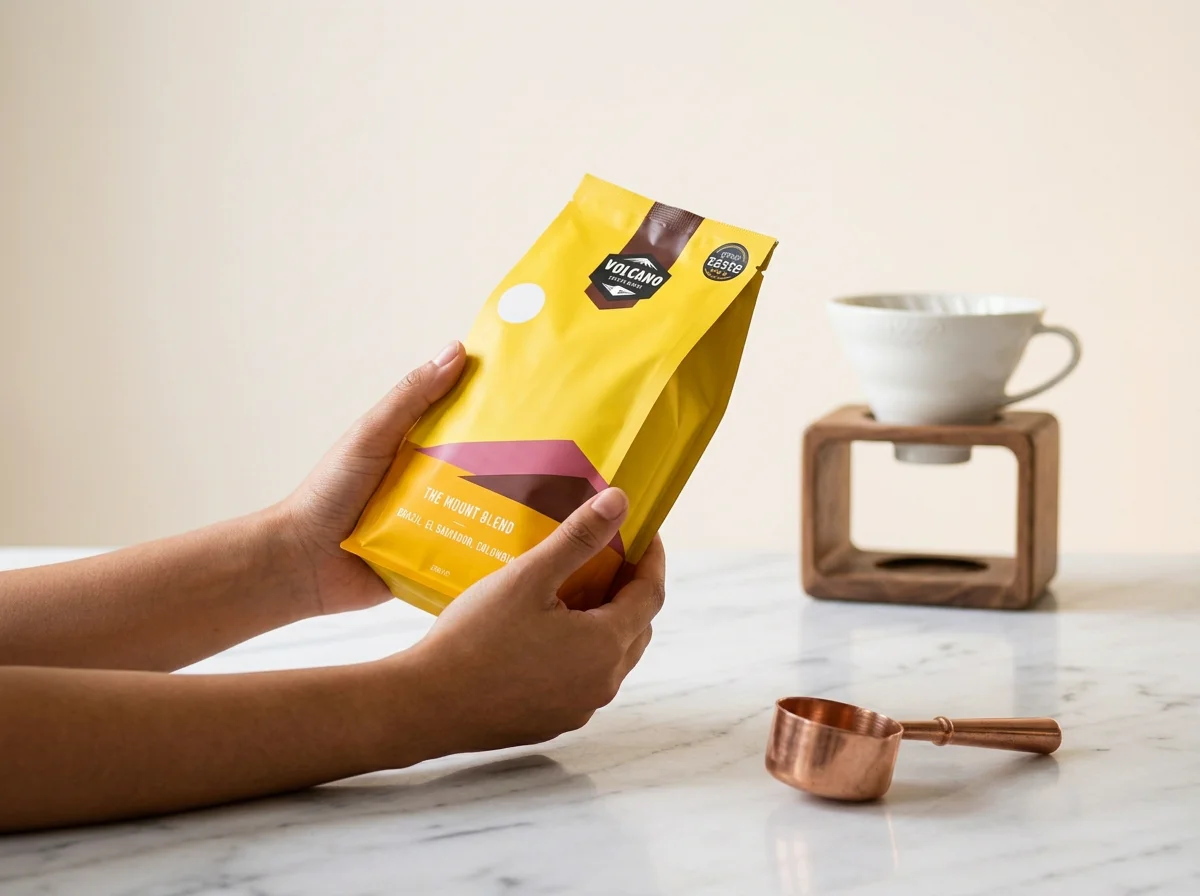
4. Volcano Coffee Works Mount Blend, Best for V60/Pour-Over
Before Assembly existed, there was Volcano. Founded in 2010 by Kurt Stewart, the brand started life on a Piaggio Ape three-wheeled cart in West Norwood, south London, serving espresso on the street. The origin story has a darker edge too: Stewart's path into coffee began during recovery from a near-fatal cycling accident, a period that gave him the clarity and determination to build something meaningful. Sixteen years later, Volcano is a certified B Corp (scoring 93.1), carbon neutral since 2022, and pays producers between 50% and 180% above Fairtrade minimums.
The Mount Blend is their flagship filter coffee, combining beans from Brazil, El Salvador, and Colombia in a medium roast that's won three Great Taste Award stars. In the cup, it's all soft caramel, red grape sweetness, and gentle milk chocolate. The body is silky and medium-weight, perfect for pour-over methods where you want flavour definition without heaviness. It's the kind of coffee that makes a lazy Sunday morning feel deliberate and special.
Priced at £9.50 for 200g or £37 per kilo, the Mount Blend represents solid value from one of London's most principled roasters.
Editor's Verdict: Three Great Taste stars don't lie. The Mount Blend is a beautifully composed filter coffee with a backstory that makes every cup feel a little more intentional. Ideal for V60 and Chemex brewing. Read our full Volcano Coffee Works review.
| Evaluation Criteria | Our Findings |
|---|---|
| Origin | Brazil, El Salvador, Colombia |
| Roast Level | Medium |
| Flavour Profile | Caramel, red grapes, milk chocolate |
| Body | Medium |
| Best Brewing Method | V60, pour-over, Chemex |
| Price | £9.50 (200g), £37 (1kg) |
| Buy | Shop Volcano → |
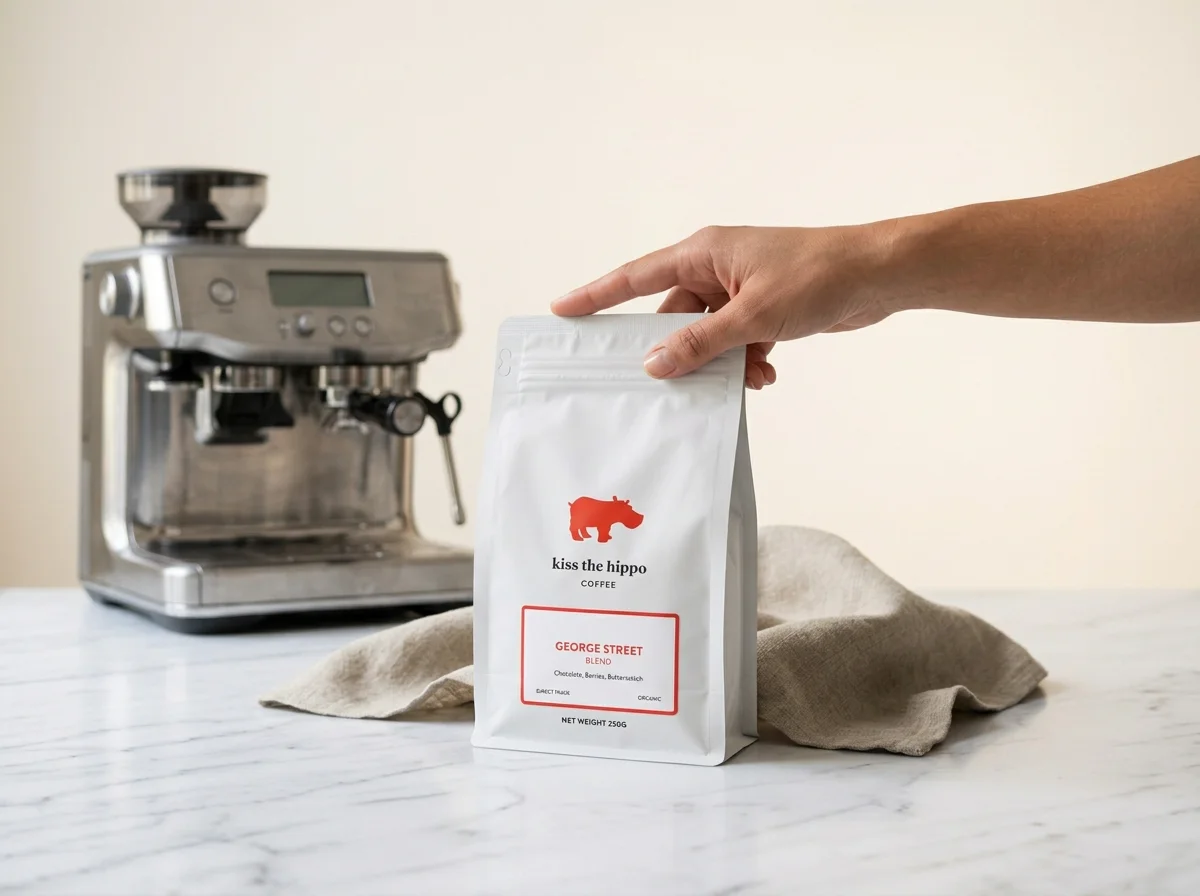
5. Kiss the Hippo George Street Blend, Best Sustainable
When Can Eren launched Kiss the Hippo in 2018, he didn't just want to roast good coffee. He wanted to prove that a commercial roastery could operate as a net positive for the planet. Bold claim. But Kiss the Hippo became London's first carbon-negative roastery, meaning they remove more carbon than they produce across their entire supply chain. That's not an offset gimmick. It's structural.
The George Street Blend combines Peruvian and Ethiopian beans, roasted on a Loring S15, and the cup quality backs up the environmental mission. I get butterscotch on the nose, followed by a rich chocolate sweetness and a whisper of red berry acidity that keeps things interesting. The texture is smooth and medium-bodied. It pulls well as espresso and holds its own in a cafetiere. The certifications stack up: Organic (Soil Association), Fairtrade, Rainforest Alliance, Smithsonian Bird Friendly, and Regenerative Agriculture. Kiss the Hippo has also produced a two-time UK Barista Championship winner, which tells you the team knows what excellent coffee should taste like.
At £12 for 250g or £43.20 per kilo, you're paying a slight premium. But you're funding a genuinely progressive model.
Editor's Verdict: The most credentialed sustainable coffee on this list, and it doesn't sacrifice an ounce of flavour for its principles. If environmental impact is a priority in your buying decisions, this is where your money should go. The carbon-negative claim is real, verifiable, and still rare in the UK coffee industry. Read our full Kiss the Hippo review.
| Evaluation Criteria | Our Findings |
|---|---|
| Origin | Peru and Ethiopia |
| Roast Level | Medium |
| Flavour Profile | Butterscotch, chocolate, red berry |
| Body | Medium |
| Best Brewing Method | Espresso and cafetiere |
| Price | £12 (250g), £43.20 (1kg) |
| Buy | Shop Kiss the Hippo → |
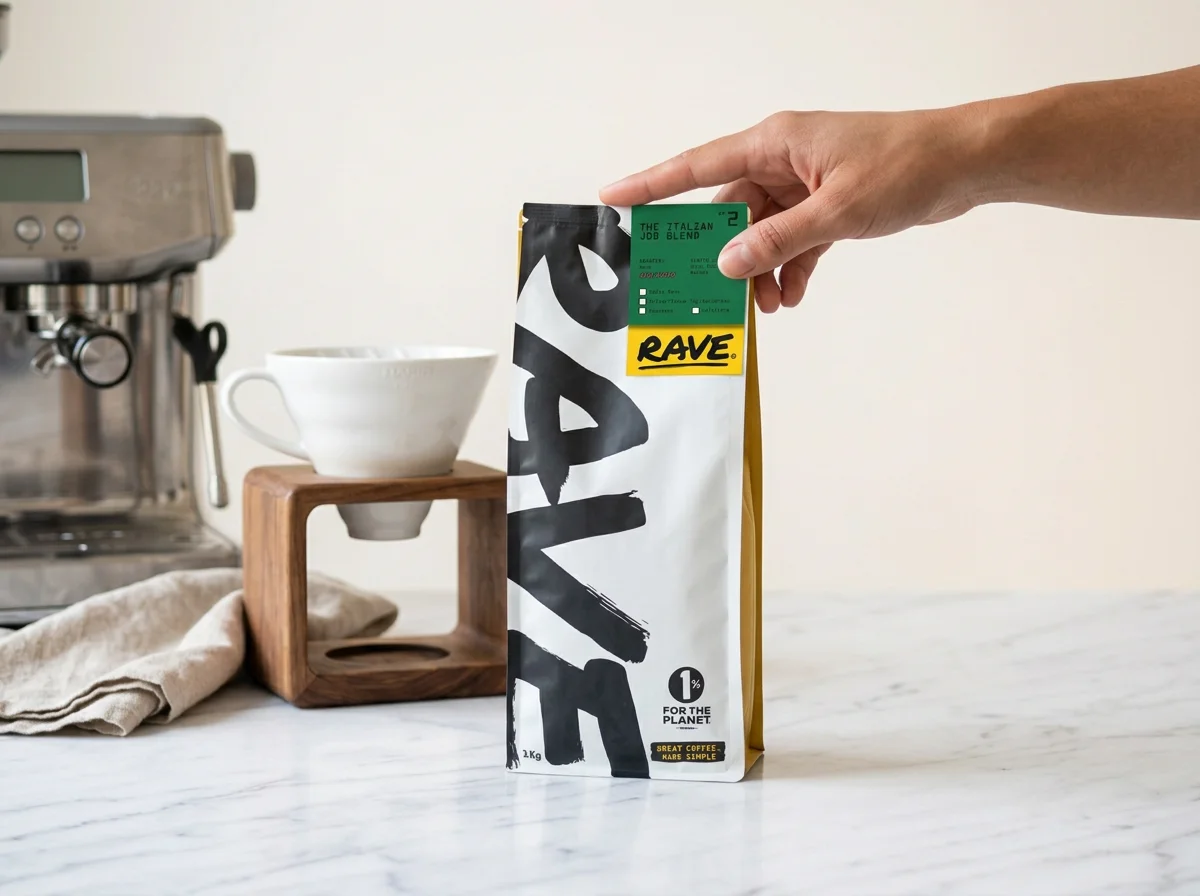
6. Rave Coffee Signature Blend, Best Value
At £7.95 to £8.95 for 250g, the Rave Signature Blend is the most accessible entry point on this list. Don't mistake that price for a lack of quality. Rave have been roasting from the Cotswolds for over thirteen years and have built one of the most loyal followings in UK speciality coffee, largely because they deliver excellent beans without the pretension or the price tag that sometimes comes with the "speciality" label.
The Signature Blend is a crowd-pleaser in the best sense. It's chocolate-forward with nutty undertones and a gentle caramel sweetness that works across virtually every brewing method. The body is medium and forgiving. It won't challenge your palate or demand precision to enjoy. Rave are members of 1% for the Planet, donating a portion of revenue to environmental causes. For someone stepping up from supermarket coffee for the first time, this is the bridge.
Editor's Verdict: Brilliant value. No frills, no fuss, just well-roasted speciality coffee at a price that makes daily drinking sustainable for your wallet as well as the planet. Read our full Rave Coffee review.
| Evaluation Criteria | Our Findings |
|---|---|
| Origin | Blend (rotating origins) |
| Roast Level | Medium |
| Flavour Profile | Chocolate, nut, caramel |
| Body | Medium |
| Best Brewing Method | All-rounder (espresso, cafetiere, bean-to-cup) |
| Price | £7.95-£8.95 (250g) |
| Buy | Shop Rave → |
7. Square Mile Coffee Sweetshop Espresso, Best for Beginners
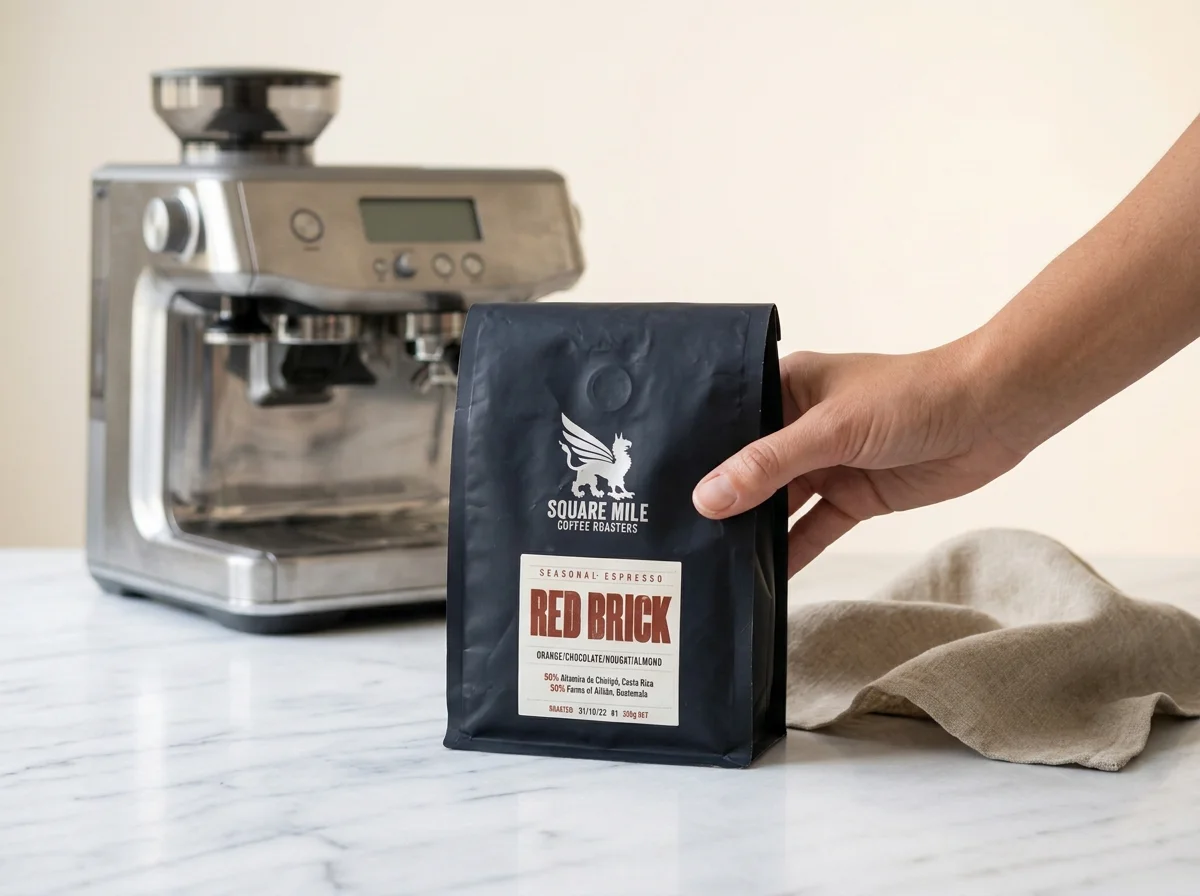
If you follow coffee culture at all, you'll know the name James Hoffmann. World Barista Champion in 2007, YouTube's most-watched coffee educator, and co-founder of Square Mile Coffee Roasters in Shoreditch. The roastery has been a pillar of London's speciality scene for over fifteen years, and the Sweetshop Espresso is arguably their most universally loved offering.
It's designed to be exactly what the name promises: sweet, approachable, and satisfying. Think milk chocolate, toffee, and a balanced, rounded finish that never veers into sourness or bitterness. It's the espresso equivalent of a warm handshake. Nothing confrontational, nothing weird, just reassuring quality. For anyone who's been burned by overly acidic light roasts or harsh, ashy dark roasts, the Sweetshop is a safe harbour. It's also excellent with milk, producing the kind of flat white that makes you wonder why you ever bought from a chain.
Priced at around £14 to £15.50 for a 350g bag, it's reasonable for Shoreditch-roasted speciality.
Editor's Verdict: The perfect beginner's coffee from one of the UK's most respected roasters. James Hoffmann's influence is in every sip: precise, educational, and quietly brilliant. Read our full Square Mile Coffee review.
| Evaluation Criteria | Our Findings |
|---|---|
| Origin | Seasonal blend |
| Roast Level | Medium |
| Flavour Profile | Sweet, chocolatey, balanced, toffee |
| Body | Medium to full |
| Best Brewing Method | Espresso, flat white, milk-based drinks |
| Price | ~£14-15.50 (350g) |
| Buy | Shop Square Mile → |
8. Pact Coffee Bourbon Cream, Best Subscription
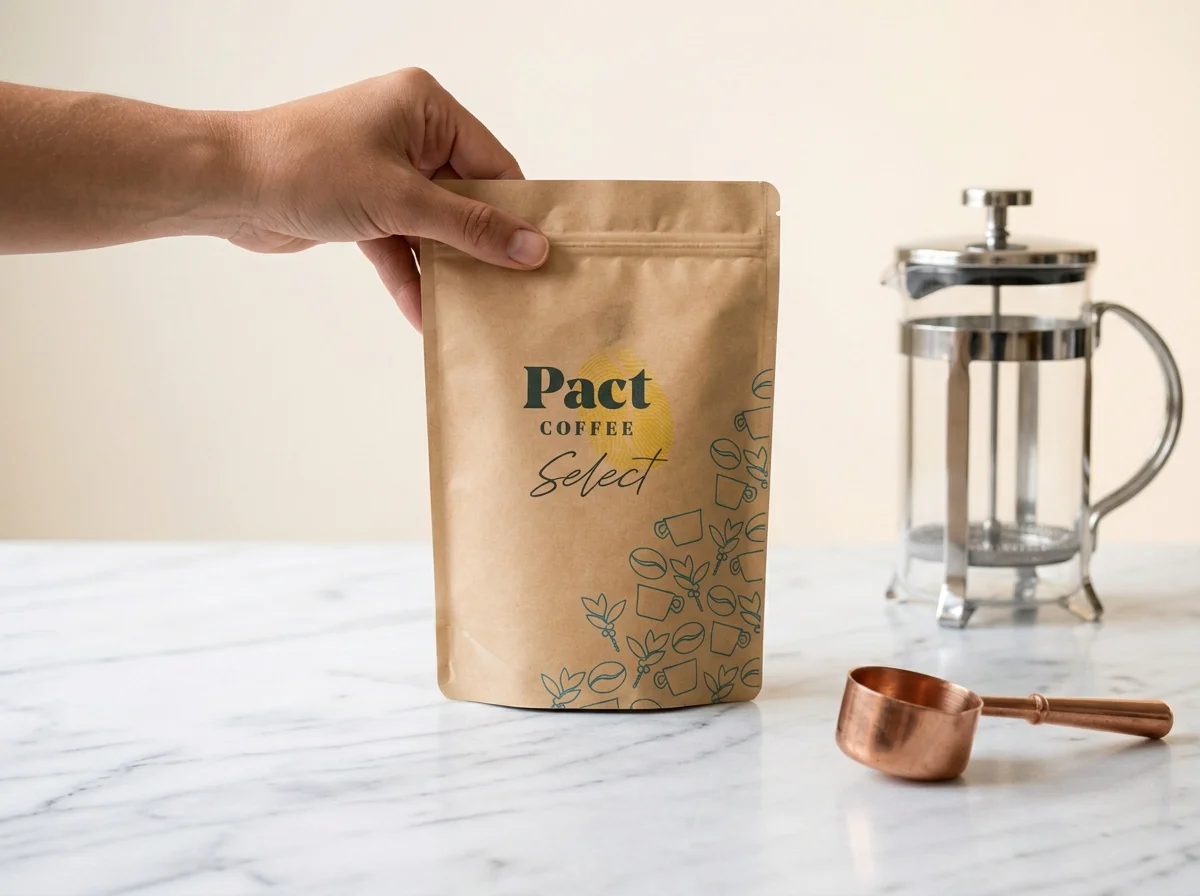
One of the OGs in the coffee-at-home scene, Pact was doing the direct-to-door subscription model before most UK consumers even knew what speciality coffee was. They've built a community of over 45,000 active subscribers, and the Bourbon Cream blend remains their most popular offering for good reason.
Pact roast to order, which means your beans are fresh. They source directly from farms, cutting out middlemen, and hold B Corp certification. The Bourbon Cream is named after the Bourbon variety of Arabica, not the biscuit (though the flavour isn't a million miles off). Through a cafetiere, you get a thick, rounded body with notes of milk chocolate digestive, brown sugar, and a hint of roasted hazelnut on the finish. The aroma off the grind is warm and biscuity, almost like walking past a bakery. It's not complex enough to challenge seasoned palates, but as a daily drinker it's reliably comforting. The subscription model is flexible and competitively priced at £8.95 per bag with free delivery.
Editor's Verdict: If convenience and consistency matter to you, Pact's subscription is hard to beat. Set it, forget it, and enjoy fresh coffee landing on your doorstep like clockwork. Read our full Pact Coffee review.
| Evaluation Criteria | Our Findings |
|---|---|
| Origin | Direct trade, rotating seasonal |
| Roast Level | Medium |
| Flavour Profile | Bourbon, cream, chocolate |
| Body | Medium |
| Best Brewing Method | Cafetiere, bean-to-cup, filter |
| Price | £8.95 per bag |
| Buy | Shop Pact → |
9. Redemption Roasters, Best Social Enterprise
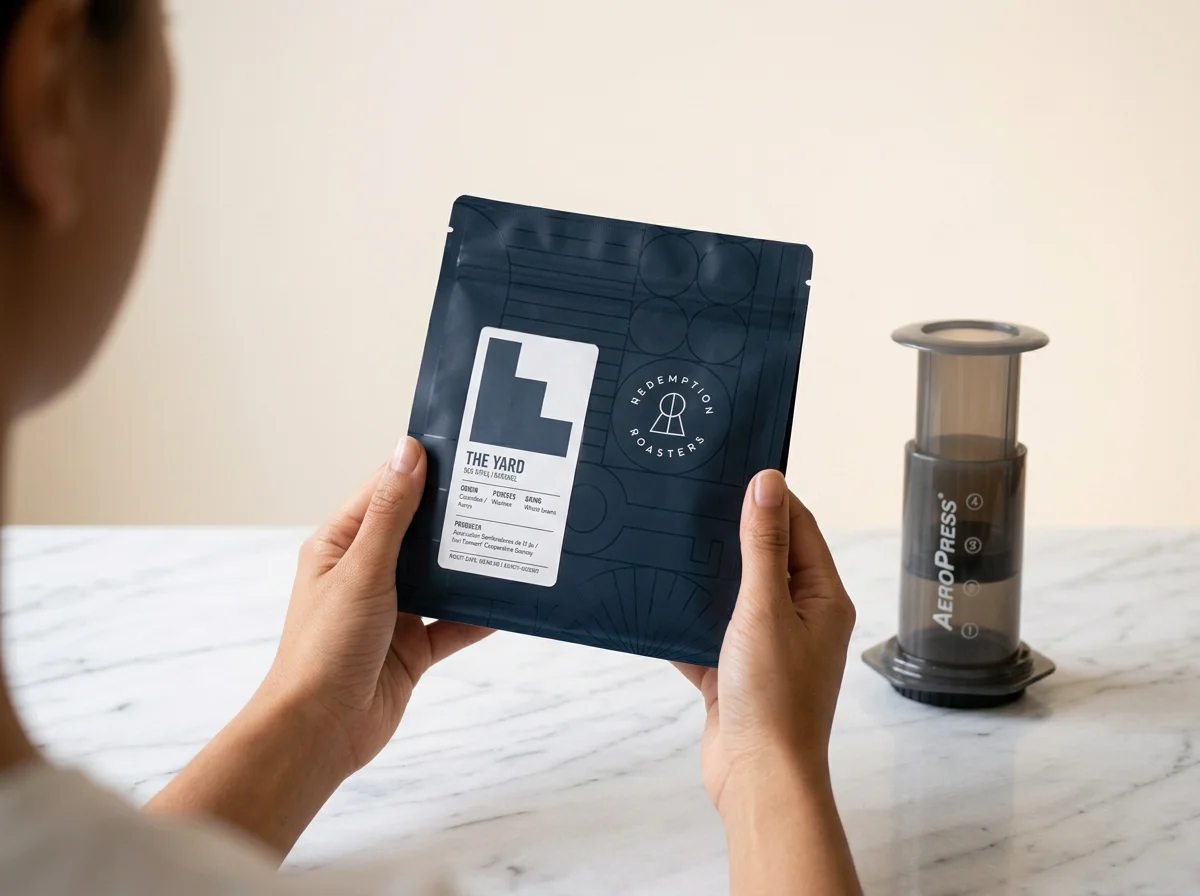
There's a roastery inside a prison. That sentence alone should make you pay attention. Redemption Roasters, founded by Ted Sherwood in London, is the world's first prison-based coffee roastery. It trains inmates in speciality coffee skills, from green bean grading and roasting to barista work and quality control, giving them qualifications and career paths that dramatically reduce the likelihood of reoffending. Their trainees have a 4% reoffending rate compared to the national average of around 25%.
The coffee itself is no charity case. Everything is SCA 80+ rated and ethically sourced. We pulled their house espresso on the Sage Barista Pro and got a clean cup with bitter dark chocolate on the first sip, a gentle walnut nuttiness in the mid-palate, and a finish that's smooth and slightly sweet, like the last bite of a brownie. The aroma off the machine was roasted grain and cocoa powder. It stood comfortably alongside any roaster on this list. It's priced between £10.90 and £11.90 for 250g, which is competitive for speciality grade beans.
Editor's Verdict: A genuinely transformative business model that also produces excellent coffee. Every bag you buy funds someone's second chance. That's not a marketing line. It's measurable, verifiable social impact. Read our full Redemption Roasters review.
| Evaluation Criteria | Our Findings |
|---|---|
| Origin | Ethically sourced, rotating |
| Roast Level | Medium |
| Flavour Profile | Clean, balanced, well-developed |
| Body | Medium |
| Best Brewing Method | Espresso and filter |
| Price | £10.90-£11.90 (250g) |
| Buy | Shop Redemption → |
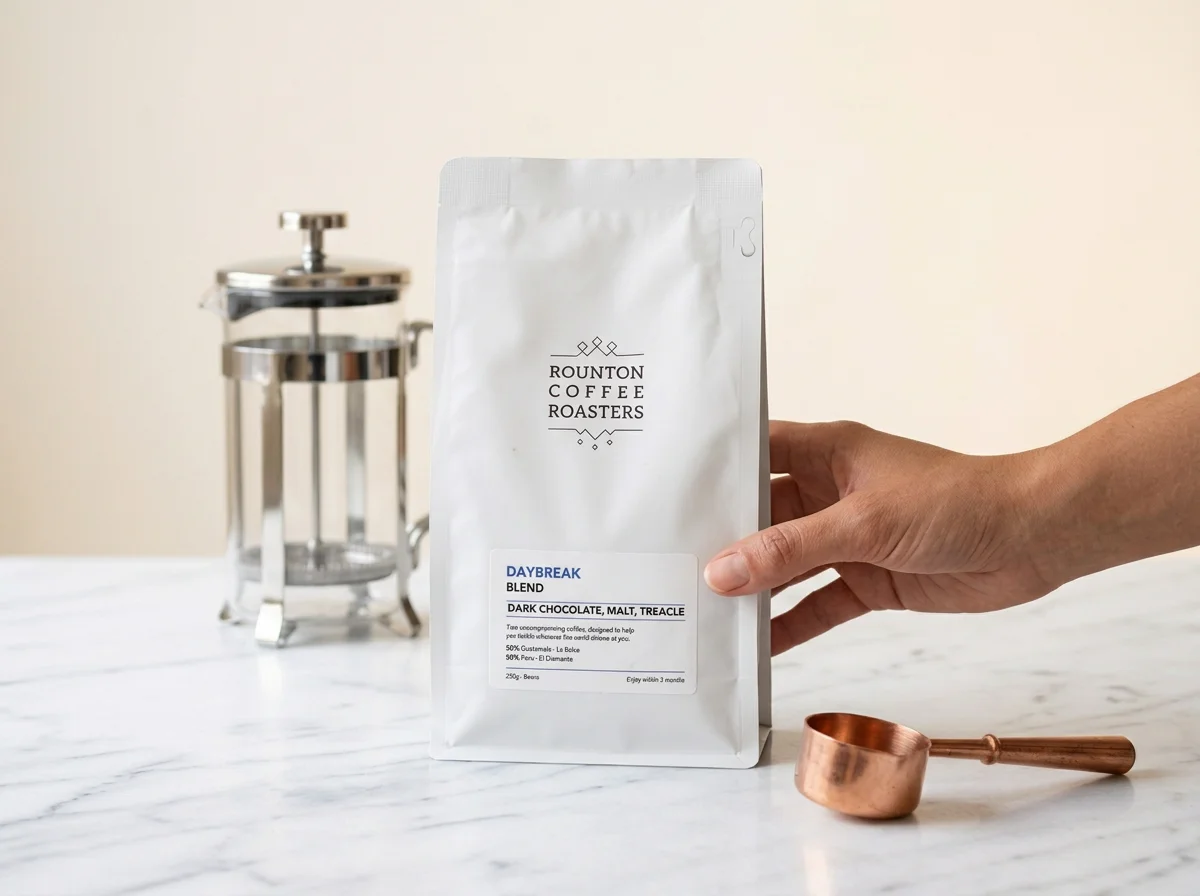
10. Rounton Coffee Roasters, Best Small-Batch
Tucked away in a converted granary in North Yorkshire, Rounton Coffee Roasters are the kind of operation that lets the roasting do the talking. Small-batch, hand-roasted, and quietly brilliant. They picked up seven Great Taste Awards in 2024 alone, which is a staggering haul for a roastery of their size.
Every batch is roasted with a level of care that you can taste. The beans are sweet, clean, and precisely developed, with toffee-like warmth and a hint of stone fruit that shifts subtly between batches. There's a craftsmanship here that reminds you why small-batch roasting matters. When someone is roasting 12kg at a time instead of 120kg, the margin for error shrinks and the attention to detail expands. Priced at £12 to £12.25 for 250g.
Editor's Verdict: Seven Great Taste Awards in one year. From a granary in Yorkshire. Enough said. Read our full Rounton Coffee review.
| Evaluation Criteria | Our Findings |
|---|---|
| Origin | Rotating single origins and blends |
| Roast Level | Light to medium |
| Flavour Profile | Sweet, clean, precisely developed |
| Body | Medium |
| Best Brewing Method | Filter, V60, AeroPress |
| Price | £12-£12.25 (250g) |
| Buy | Shop Rounton → |
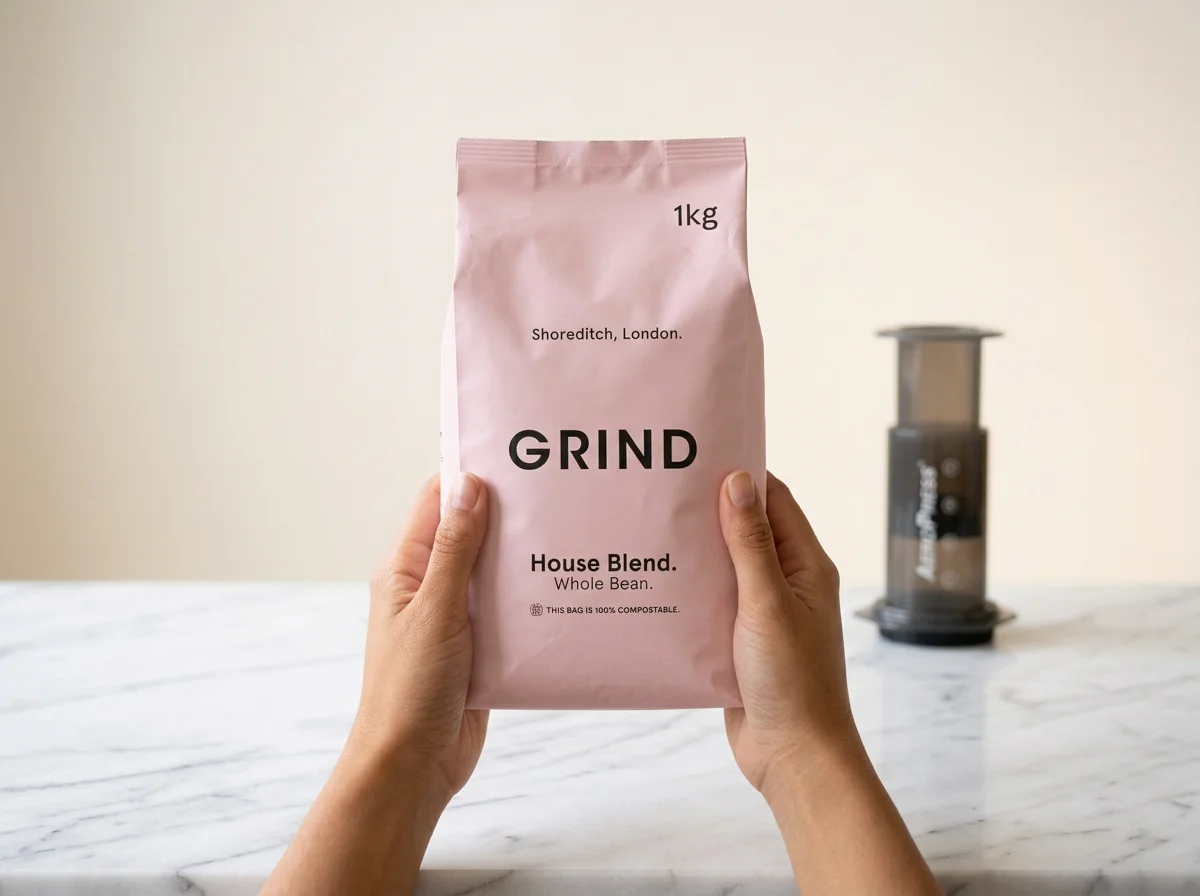
11. Grind Coffee House Blend, Best for Bean-to-Cup Machines
I'll be honest. When we first added Grind to our testing shortlist, I was sceptical. Grind is, at its core, a lifestyle brand. The Instagram grid is immaculate. The packaging is gorgeous. The fourteen London locations feel more like design studios than coffee shops, and the Soho House partnership reinforces that "aesthetic-first" reputation. I've walked past Grind shops and thought, "This is coffee for people who care more about the flat lay than the flat white."
Then we actually tested the House Blend. And I had to eat my words.
In a bean-to-cup machine, specifically, the House Blend performs surprisingly well. The flavour profile lands on milk chocolate, almonds, and cacao nibs, all delivered with a consistency that automated machines demand. The roast is dialled in for that middle ground where grinders don't struggle and extraction stays even. Grind are B Corp certified, their pods are compostable, and the Better Coffee Foundation channels profits into farming communities. At £8.95 to £10.95 for 227g (or £21.95 for a full kilo), it's reasonably priced. Founded in 2011 by David Abrahamovitch in Shoreditch, the brand has clearly matured beyond its influencer origins.
Editor's Verdict: Better than you'd expect from a lifestyle brand. I went in ready to dismiss it and came out genuinely impressed with how well the House Blend suits bean-to-cup machines. It won't convert coffee snobs, but it doesn't need to. For its intended purpose, it delivers. Read our full Grind Coffee review.
| Evaluation Criteria | Our Findings |
|---|---|
| Origin | Blend (undisclosed specifics) |
| Roast Level | Medium |
| Flavour Profile | Milk chocolate, almonds, cacao nibs |
| Body | Medium |
| Best Brewing Method | Bean-to-cup machine |
| Price | £8.95-£10.95 (227g), £21.95 (1kg) |
| Buy | Shop Grind → |
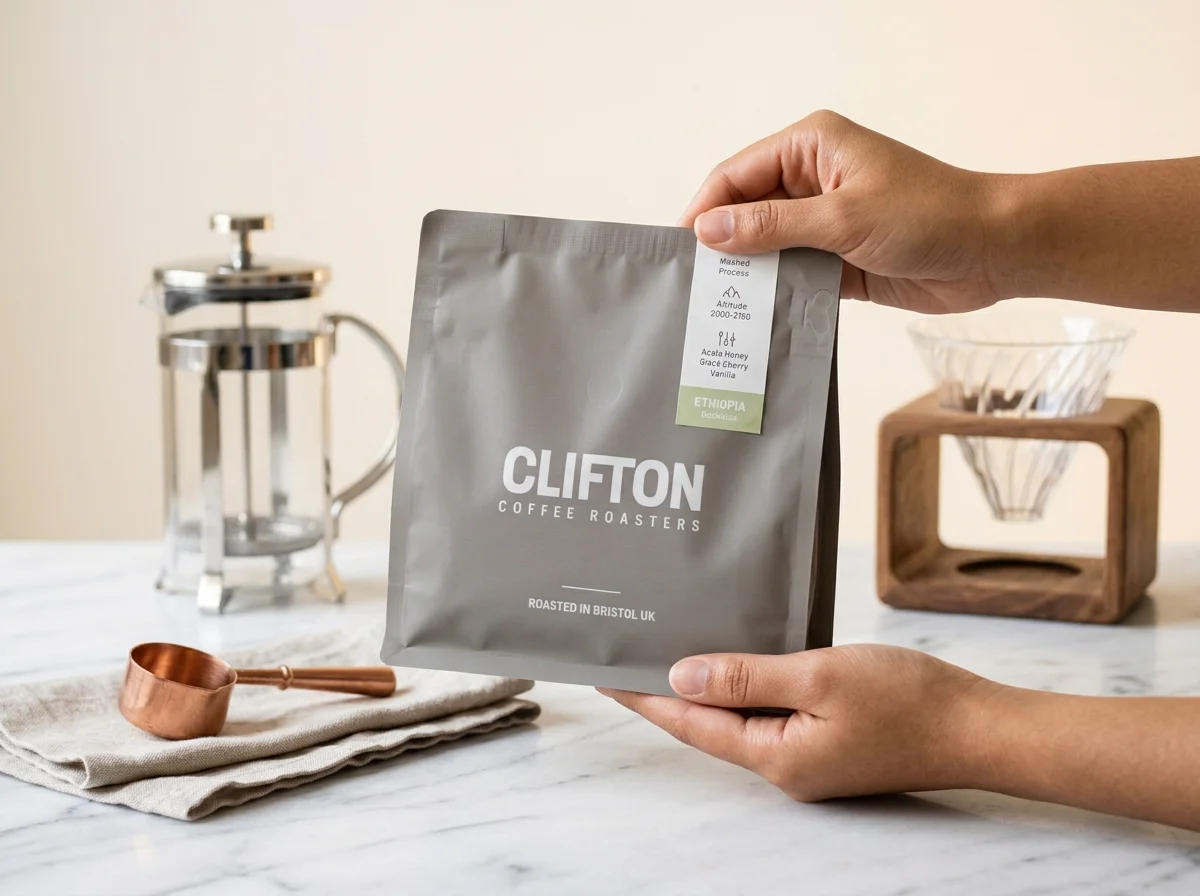
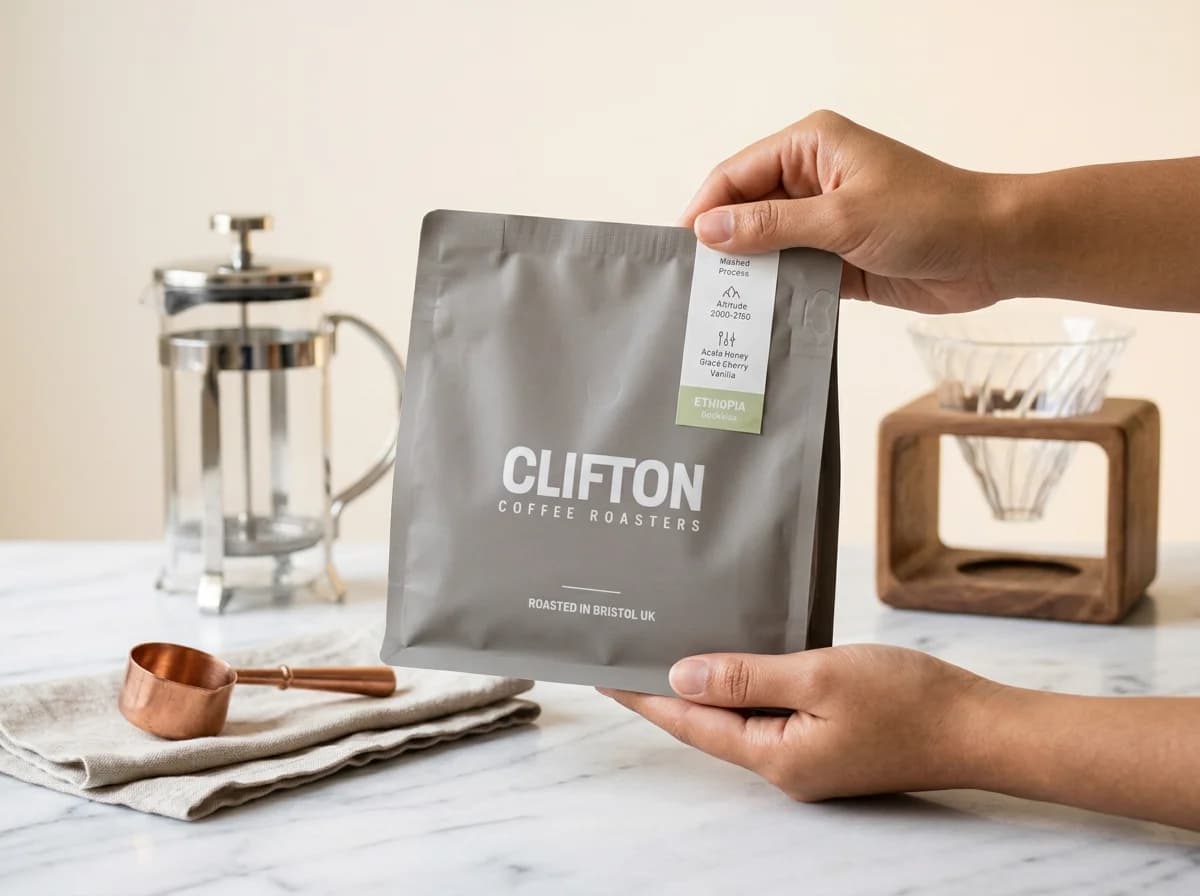
12. Clifton Coffee Roasters, Best for Advanced Brewers
If coffee were academia, Clifton would be the research department. Founded in Bristol in 2001, they're one of the UK's longest-running speciality roasters and carry credentials that most competitors can't touch. Clifton operate an SCA Premier Training Campus, employ two certified Q-Graders on staff, and their team includes the 2019 UK number one and World number three Cup Tasters Champion. This is a roastery built by and for people who take coffee seriously at a competitive level.
Ninety percent of Clifton's coffee is bought directly from origin, which gives them unusual control over quality and traceability. Their offerings tend toward precision. We brewed a washed Ethiopian on the V60 and got jasmine on the nose, a bright lemon-lime acidity, raw honey sweetness, and a finish so clean it almost sparkled. Through espresso, a Colombian lot gave us ripe plum, demerara sugar, and a delicate floral lift. These are roasts that reward careful brewing and punish laziness. If you own a refractometer and keep a brew log, these are your beans. They earned B Corp certification in 2023, adding a sustainability layer to an already formidable operation. Pricing ranges from £10.50 to £15 for 250g, or £35 to £65 per kilo depending on the lot.
Editor's Verdict: Coffee for people who geek out over extraction yields and brew ratios. Clifton's competition pedigree is unmatched in the UK, and it shows in every precisely roasted batch. Not for casual drinkers, but then, that's precisely the point. Read our full Clifton Coffee review.
| Evaluation Criteria | Our Findings |
|---|---|
| Origin | 90% direct from origin, rotating |
| Roast Level | Light to medium |
| Flavour Profile | Clean, precise, origin-expressive |
| Body | Light to medium |
| Best Brewing Method | V60, filter, competition brewing |
| Price | £10.50-£15 (250g), £35-£65 (1kg) |
| Buy | Shop Clifton → |
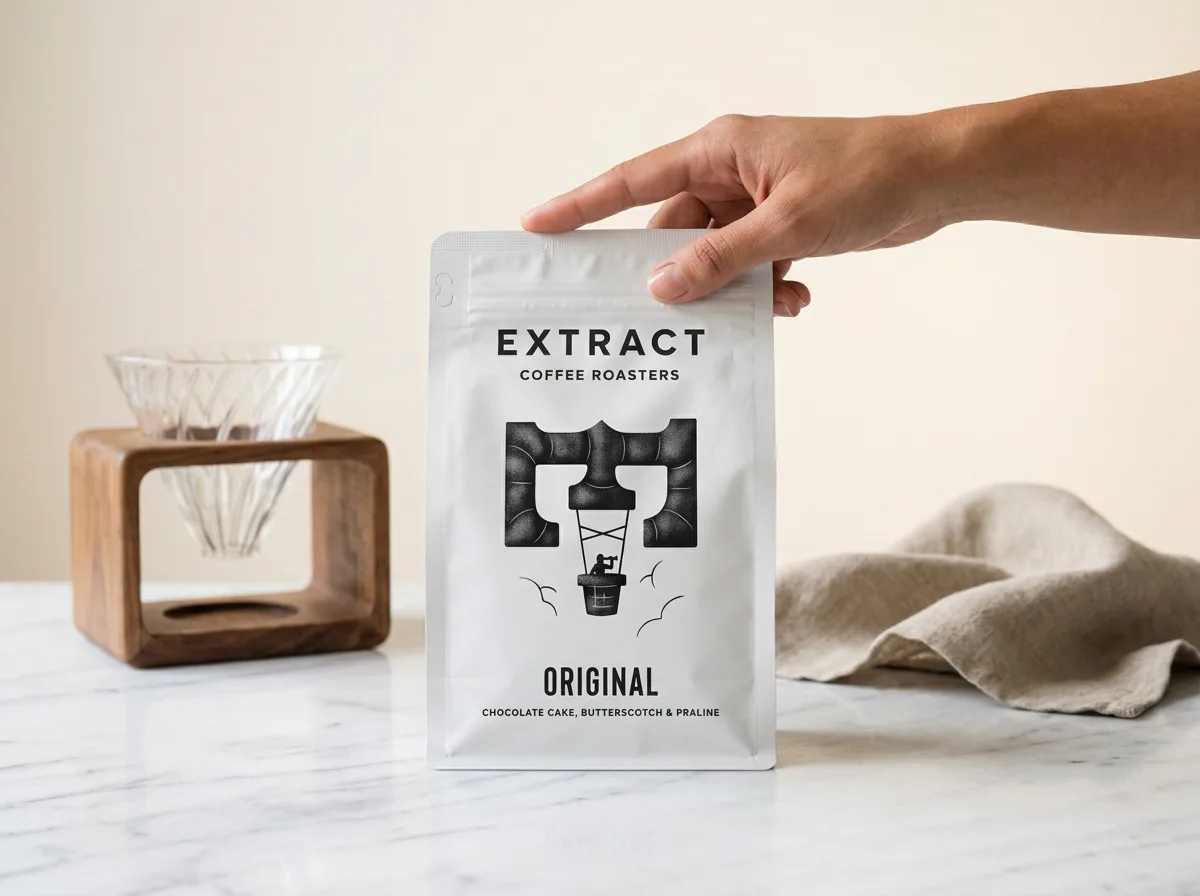
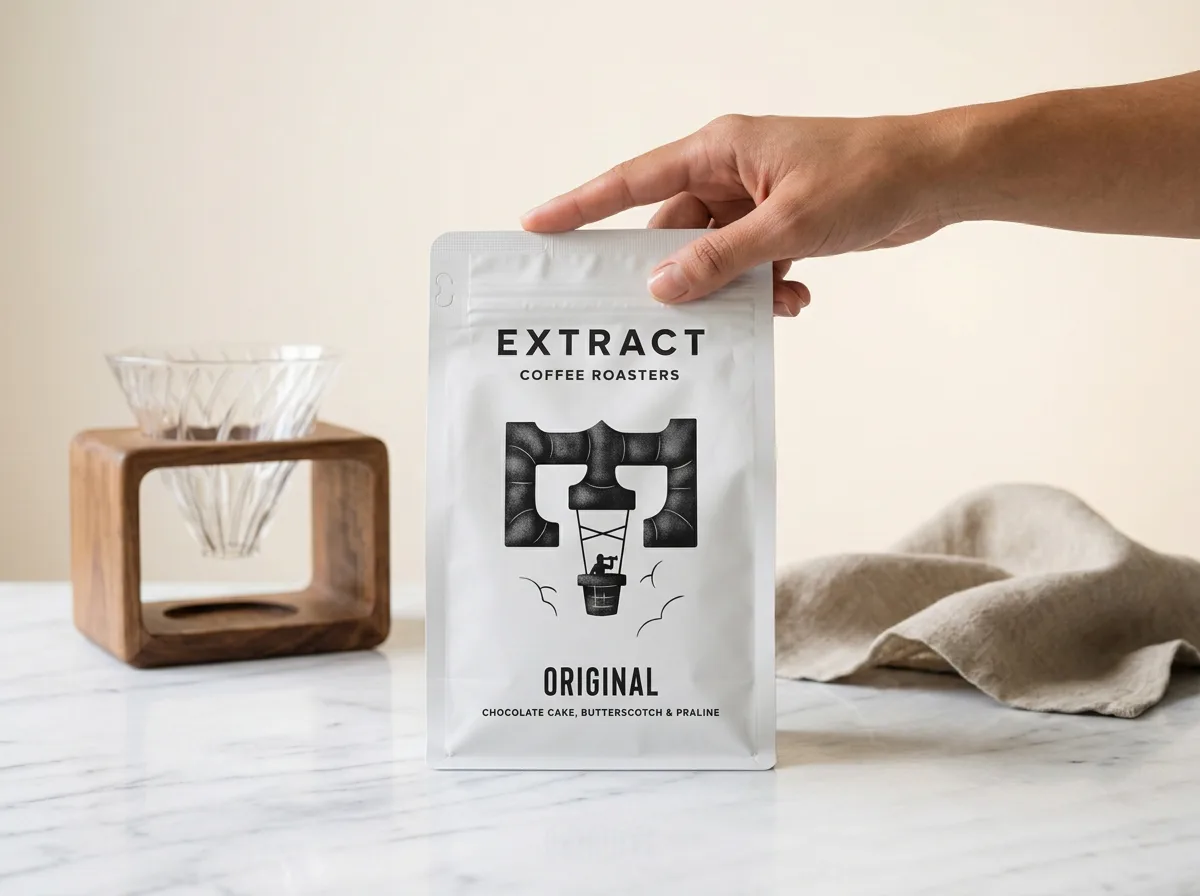
13. Extract Coffee Roasters Original, Best Dark Roast
The aroma hits you before the cup reaches your lips. Roasted dark chocolate, butterscotch, and something almost praline-like, sweet and toasted and utterly comforting. Extract Coffee Roasters have built their identity around bold, food-inspired coffee, and the Original blend is their flagship expression of that philosophy.
Founded in 2007 in, of all places, a chicken shed in Bristol, Extract have grown into a serious operation with an SCA-certified training centre and a commitment to sustainability that earned them B Corp status in 2025. Their naming convention tells you everything about the brand personality: Rocket, Cast Iron, Strangelove. These are coffees with character. The Original comes with dual tasting notes, one set for drinking black (chocolate cake, butterscotch) and another for milk-based drinks (praline, sweet cream), which is a thoughtful touch that shows they understand how people actually drink coffee at home. Ninety percent of their energy comes from renewable sources, and waste coffee grounds are converted to biofuel. Priced at £9.95 to £14.15 for 250g.
Editor's Verdict: Bold, unapologetic, dark roast done properly. No bitterness, no ash, just deep, rich, chocolatey warmth. Read our full Extract Coffee review.
| Evaluation Criteria | Our Findings |
|---|---|
| Origin | Blend (rotating) |
| Roast Level | Dark |
| Flavour Profile | Chocolate cake, butterscotch, praline |
| Body | Full |
| Best Brewing Method | Espresso, moka pot, cafetiere |
| Price | £9.95-£14.15 (250g) |
| Buy | Shop Extract → |
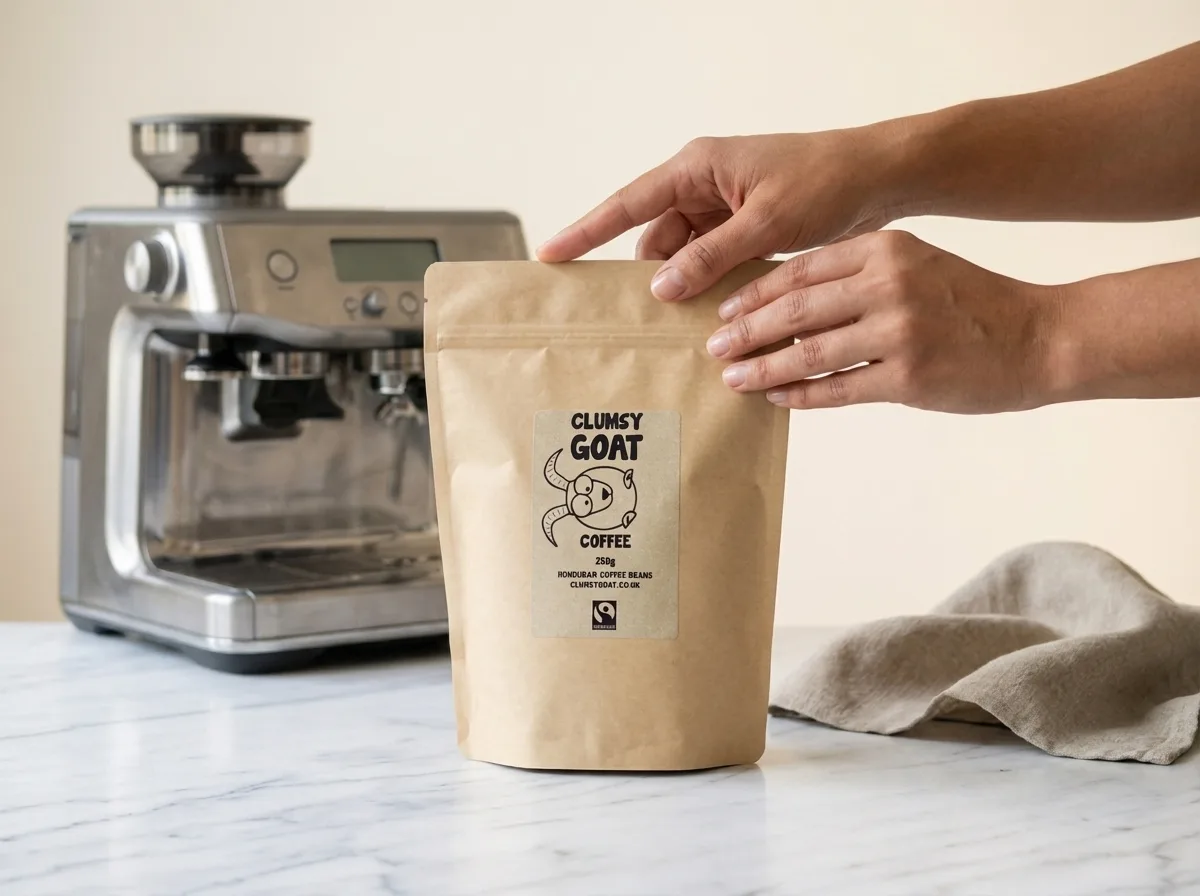
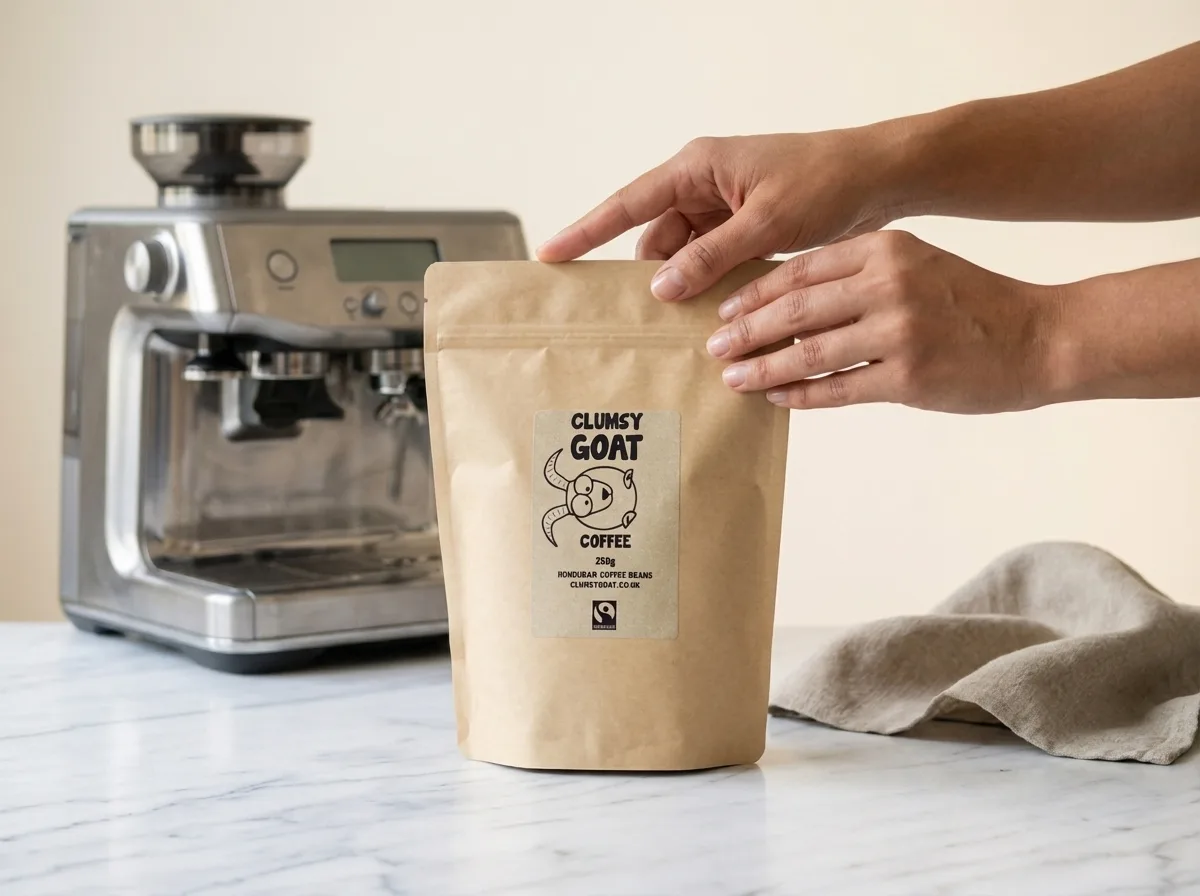
14. Clumsy Goat Ethiopian Sidamo, Best Budget Single Origin
Don't let the quirky name fool you. Clumsy Goat, named after the legend of Kaldi, the Ethiopian goat herder who supposedly discovered coffee after his goats ate the cherries and started dancing, is a Lancashire-based roaster punching well above its weight class since 2015.
The Ethiopian Sidamo is their standout. It's a washed coffee with stone fruit sweetness, citrus brightness, a whisper of lemon grass, and a chocolate mocha body that grounds everything together. The aroma is floral and inviting. For a single origin at this price, the complexity is impressive. Clumsy Goat are 100% Fairtrade certified across their entire range, not just selected products. At £12.95 for 250g, the bag price looks standard, but the kilo options (£26.95 to £31.95) make this significantly cheaper per cup than most speciality single origins.
Editor's Verdict: Real speciality single origin coffee at a price that won't make you wince. The kilo pricing is particularly strong. Read our full Clumsy Goat Coffee review.
| Evaluation Criteria | Our Findings |
|---|---|
| Origin | Ethiopia, Sidamo |
| Roast Level | Medium |
| Flavour Profile | Stone fruit, citrus, lemon grass, chocolate mocha |
| Body | Medium |
| Best Brewing Method | V60, AeroPress, filter |
| Price | £12.95 (250g), £26.95-£31.95 (1kg) |
| Buy | Shop Clumsy Goat → |
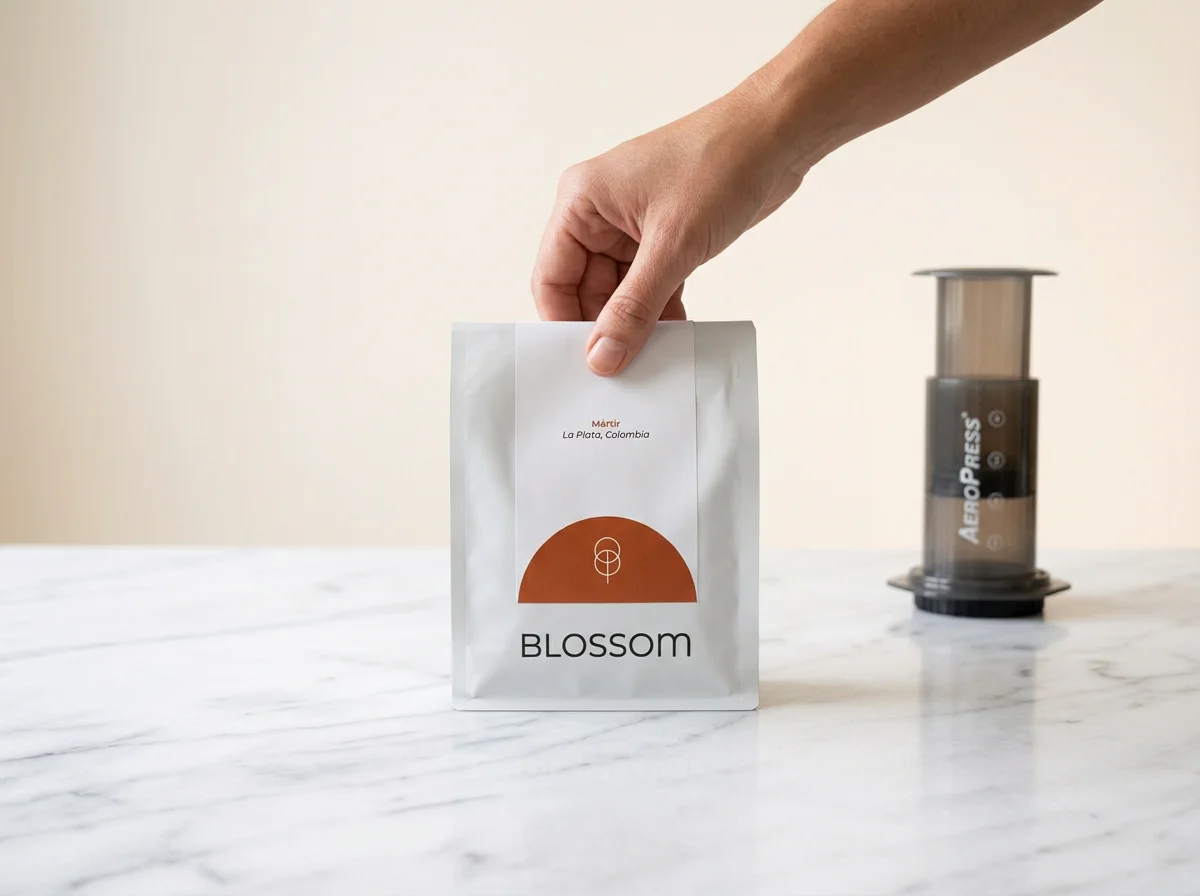
15. Blossom Coffee Roasters, Best Newcomer
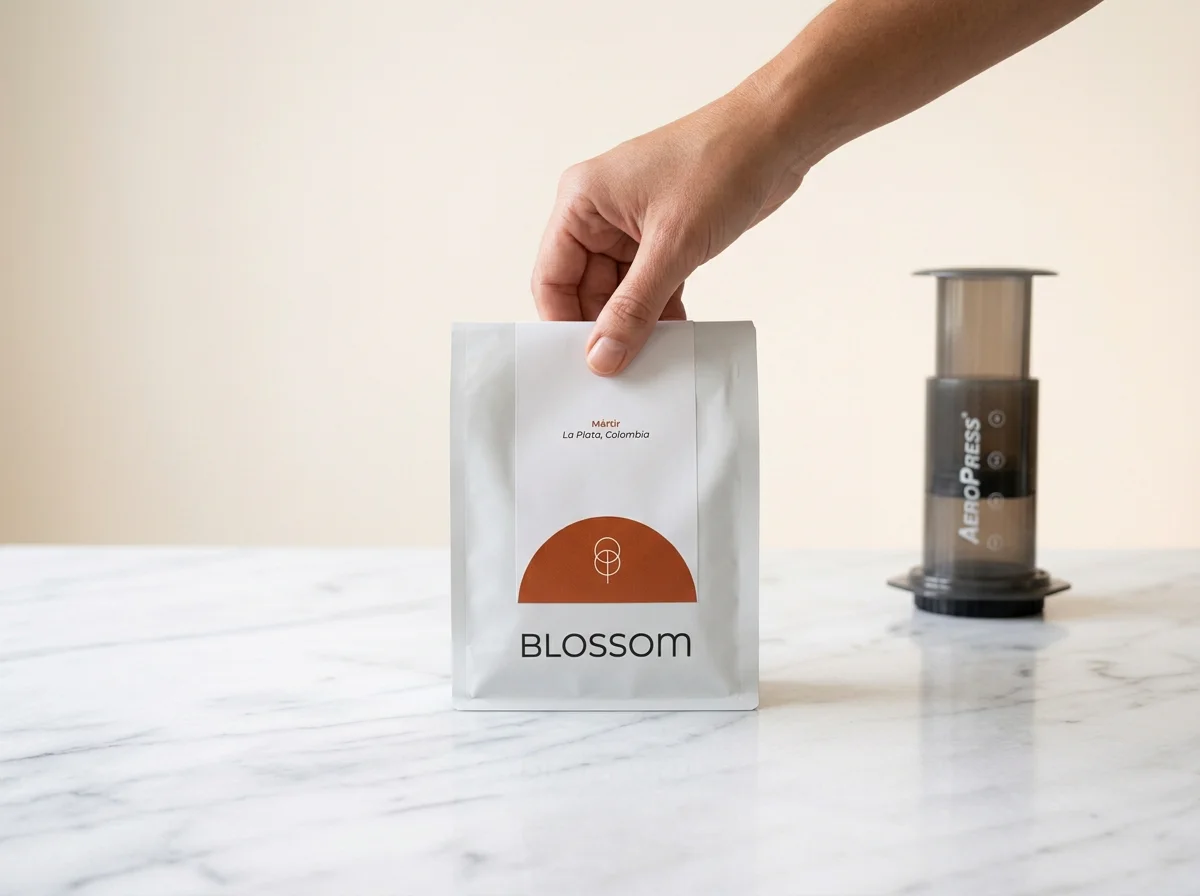
Launched in Manchester in 2020, right in the teeth of a global pandemic, Blossom Coffee Roasters is the newest name on this list and one of the most exciting. Co-founders Josh Clarke, Andy Farrington, and Oli Jones bring pedigrees from Coffee Supreme Melbourne, Prufrock London, and Origin Coffee respectively. That combined experience means Blossom arrived fully formed, with none of the growing pains you'd expect from a startup roastery.
What distinguishes Blossom from the pack is transparency. They publicly share the prices they pay to producers on every bag, a practice that's still vanishingly rare in UK speciality coffee. Andy Farrington won the 2019 Northern Aeropress Championship, which tells you the team understands brewing as well as roasting. We tested their rotating single origin through a V60 and AeroPress. The cup was bright and expressive: ripe peach, white grape acidity, a floral lift like elderflower, and a clean, sweet finish with just a touch of raw cane sugar. The kind of coffee that makes you pause and actually think about what you're tasting. They're CarbonNeutral certified, members of 1% for the Planet, and roast on a Loring S15 (the same energy-efficient machine used by Origin and Kiss the Hippo). Starting from £9.50 for 250g.
Editor's Verdict: Three years in and already roasting with the confidence of a decade-old operation. The transparent pricing model deserves to become the industry standard. Manchester's coffee scene is richer for having them. Read our full Blossom Coffee review.
| Evaluation Criteria | Our Findings |
|---|---|
| Origin | Rotating single origins and blends |
| Roast Level | Light to medium |
| Flavour Profile | Origin-expressive, clean, nuanced |
| Body | Light to medium |
| Best Brewing Method | Filter, V60, AeroPress |
| Price | From £9.50 (250g) |
| Buy | Shop Blossom → |
What to Avoid When Buying Coffee Beans
Not all coffee is created equal, and there are some clear red flags to watch for when shopping.
No roast date on the bag. If the packaging only shows a "best before" date, the roaster is hiding how old the beans are. Speciality roasters always print a roast date because freshness is a selling point, not something to obscure.
Vague origin descriptions. "A blend of the finest Arabica beans" tells you nothing. Good roasters name the country, often the region, sometimes the farm and the producer. If the origin is a mystery, the quality probably is too.
Pre-ground coffee. Ground coffee starts losing aroma and flavour within minutes of grinding. Buying pre-ground is buying compromise. Even an inexpensive hand grinder will transform your coffee experience.
No transparency about sourcing. If a brand can't tell you where their beans come from, how they were processed, or what they paid the farmer, that's a brand prioritising margin over quality.
Extremely cheap beans. Anything under £10 per kilogram is almost certainly commodity-grade coffee. It's the stuff that scores below 80 on the SCA scale, often robusta or low-grade Arabica grown for volume, not flavour. According to the British Coffee Association, the UK drinks approximately 98 million cups of coffee per day. Most of that is commodity grade. You deserve better.
Final Thoughts
The UK speciality coffee scene in 2026 is in extraordinary shape. From established names like Clifton and Square Mile to newcomers like Blossom, the breadth of quality available to home brewers has never been wider. What excites me most is the direction of travel: roasters competing not just on flavour, but on transparency, sustainability, and health. The clean coffee conversation is only getting louder, and brands like Balance Coffee are leading it with science, not slogans.
If this list has sparked your curiosity beyond whole beans, we've also tested and ranked the best coffee pods in the UK for those mornings when convenience wins. And if you're interested in the functional side of coffee, our guide to the best mushroom coffee brands in the UK explores the growing world of adaptogen-enhanced blends. For city-specific recommendations, check out our guides to the best coffee roasters in London, best coffee roasters in Bristol, and best coffee roasters in Manchester.
Whatever you brew, buy fresh, buy speciality, and buy from people who care about what's in your cup. Your mornings will thank you.
Frequently Asked Questions
What are the best coffee beans in the UK? After testing over forty coffees, our top pick is Balance Coffee's Stability Blend for its exceptional flavour, lab-tested purity, and overall consistency. Assembly Coffee's House Espresso and Origin Coffee's San Fermin round out our top three. The full list covers fifteen roasters across every brewing style and budget.
How do I choose coffee beans for my machine? For bean-to-cup machines, stick with medium roast blends that grind evenly and extract consistently. Avoid very oily dark roasts, which can clog built-in grinders. For espresso machines like the Sage Barista range, medium to dark roasts with chocolate and caramel notes tend to perform best. Balance Coffee and Assembly Coffee are both excellent choices for home espresso setups.
What is speciality grade coffee and why does it matter? Speciality grade coffee scores 80 or above on the Specialty Coffee Association's 100-point scale, as assessed by certified Q-Graders. This means fewer defects, more complex flavours, and higher standards at every stage from farm to cup. Less than 3% of global production qualifies, making it a genuine marker of quality rather than a marketing term.
How fresh should coffee beans be when I buy them? Look for a roast date on the bag, not just a "best before" date. Coffee is at its flavour peak between two and six weeks after roasting. After eight weeks, the aromatics and taste clarity begin to decline noticeably. Buying from UK roasters who roast to order or in small batches gives you the freshest possible beans.
Is expensive coffee actually better than supermarket coffee? Yes, and the difference is significant. Supermarket coffee is typically commodity grade, mass-roasted months ago, and blended for uniformity rather than flavour. Speciality coffee is graded, traceable, freshly roasted, and developed to highlight specific flavour characteristics. The per-cup cost difference between a £7 supermarket bag and a £12 speciality bag works out to roughly 10p to 15p more per cup. That's a small price for a dramatically better experience.
What is the difference between single origin and blend coffee? Single origin coffee comes from one country, region, or farm and tends to have a distinctive flavour profile shaped by its specific growing conditions. Blends combine beans from multiple origins to achieve balance, consistency, and a more rounded flavour. Single origins are great for exploring different taste profiles, while blends offer reliability and are often more forgiving across different brewing methods.
What are the best coffee beans for Sage machines in the UK? Medium roast blends work best across the Sage range (Barista Express, Barista Pro, Barista Touch). The built-in grinders handle medium roasts more consistently than very light or very dark beans. From our testing of the best coffee beans in the UK, Balance Coffee's Stability Blend and Assembly Coffee's House Espresso are both excellent options, dialling in easily and producing balanced, sweet espresso with good crema.
Is Illy or Lavazza better? Both Illy and Lavazza produce decent commercial coffee, but neither competes with UK speciality roasters on freshness, traceability, or flavour complexity. Their beans are typically roasted in Italy weeks or months before reaching your cup. For the same price or only slightly more, you can buy freshly roasted speciality coffee from UK roasters like Rave, Pact, or Clumsy Goat that will outperform both brands in every measurable way. According to research on coffee antioxidant retention, fresher coffee retains higher levels of beneficial antioxidants and polyphenols.
James Bellis Forbes-featured coffee expert and wellness founder exploring the intersection of health, performance, and great coffee.
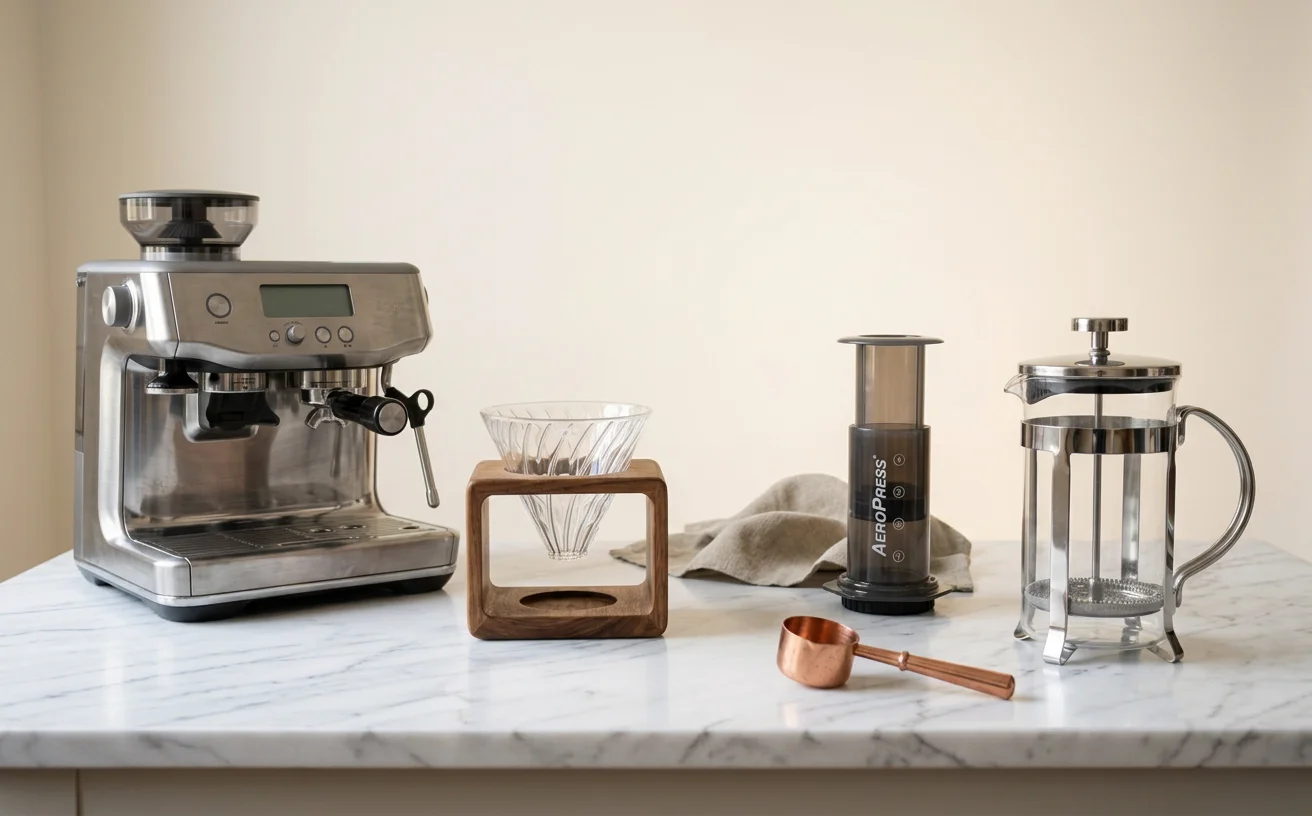
Every product on Balance Journal is tested using the same structured process in The Editor Lab. Four brewing methods, blind tasting, and a transparent scoring framework.
Brand Reviews
Assembly Coffee Review 2026: Tried, Tested, Honest Verdict
Balance Coffee Review 2026: Tried, Tested, Honest Verdict
Blossom Coffee Roasters Review 2026: Tried, Tested, Honest Verdict
Clifton Coffee Review 2026: Tried, Tested, Honest Verdict
Clumsy Goat Coffee Review 2026: Tried, Tested, Honest Verdict