Assembly Coffee Review 2026: Tried, Tested, Honest Verdict
All recommendations are independently chosen and tested through The Editor Lab. This article contains affiliate links - if you buy through our links, we may earn a small commission at no extra cost to you. This never influences our recommendations.
Assembly Coffee Review 2026: A Brixton Roastery That Earns Its Reputation
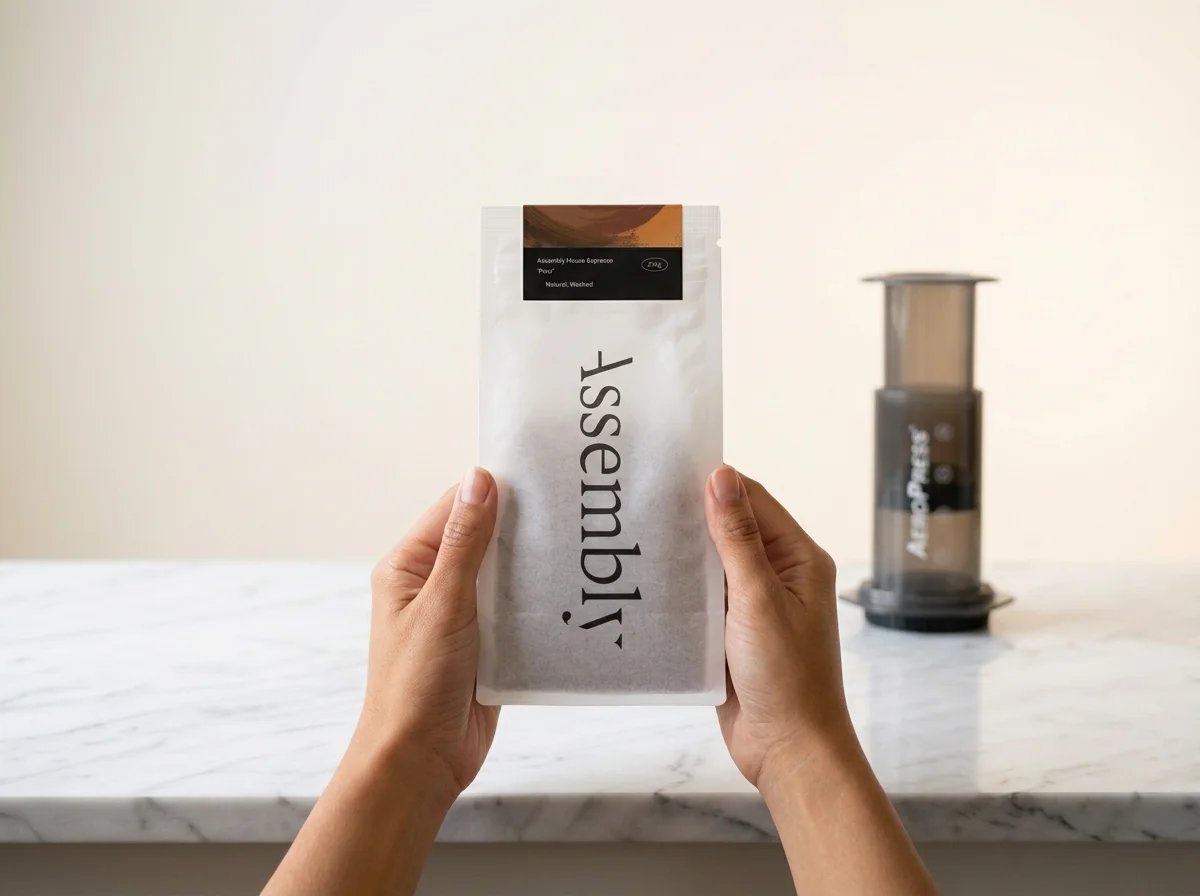
The first time I visited Assembly Coffee's Brixton roastery was in late 2019, during a heatwave that had no business hitting south London in September. I was there to dial in a Sanremo machine for a client, but I ended up spending three hours cupping seasonal single origins with their quality team. The room smelt of caramelised sugar and ripe stone fruit. I left with two bags under my arm and a strong suspicion that Assembly was doing something most UK roasters weren't. Years later, that suspicion has hardened into conviction. Assembly earned the number two spot for Best Espresso in our roundup of the best coffee beans in the UK, and this full review explains exactly why.
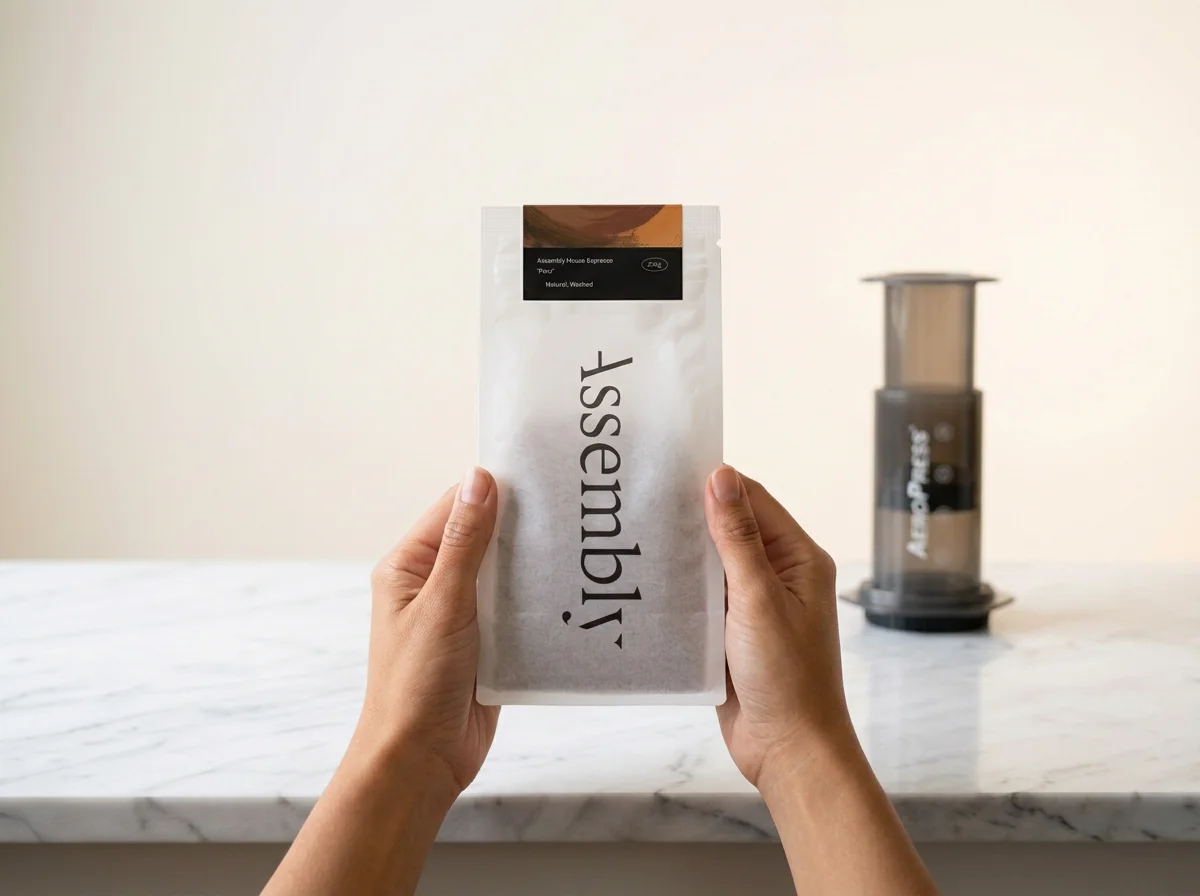
Editor's note: I've visited Assembly's Brixton roastery multiple times over the past six years, first through my work with Sanremo and later as a journalist. I've cupped with their head of quality, Nick Mabey, and watched their roasting operation evolve from a promising newcomer into one of London's most respected speciality outfits. We receive no payment from Assembly for coverage, and every score reflects independent testing.
The Brand Story
Assembly Coffee launched at the London Coffee Festival in 2015, born out of conversations between a small team at Volcano Coffee Works and some of the UK's leading independent cafes. The founding idea was ambitious: build a roastery shaped entirely by the people it serves. Over six months of discussions with cafe owners, baristas and restaurateurs, the team mapped out what a modern speciality roastery should look like. Collaboration, transparency and relentless quality control sat at the centre.
In November 2016, the operation moved into a converted 19th-century fire station on Ferndale Road in Brixton. High ceilings, raw brick, and the faint industrial echo of its past life. The space is split into three zones: a front area for cupping sessions and barista training; a central roasting hall fitted with Giesen and Loring machines; and a back section for packaging and dispatch. The team, led by director of coffee Joe McElhinney and head roaster Katelyn Thompson, processes over 500 kilograms weekly and supplies roughly 75 cafes across the UK and Europe.
Assembly holds both B Corp and CarbonNeutral certifications, meaning every product and service has been measured and offset. That's not a marketing badge. It's a genuine operational commitment. You can explore their full range at assemblycoffee.co.uk.
How We Tested
We put Assembly's beans through our standard Editor Lab™ methodology. Espresso shots were pulled on a Sage Barista Pro at 93 degrees, using an 18g dose and targeting 36g output in 28 seconds. Pour-over was brewed on a Hario V60 with a 15:1 ratio, and we ran additional tests through an AeroPress using both standard and inverted methods. We tested the House Espresso, the Espresso Blend, and two rotating single origins across all three methods over a two-week period. Every coffee was assessed on aroma, taste clarity, body, finish and consistency.
Taste & Quality
The House Espresso is Assembly's flagship, and it's exceptional. The current iteration pulls with a thick, syrupy body that coats the palate. First sip delivers milk chocolate and a gentle orange brightness that lifts the cup without sharpness. The finish is long, clean, and faintly nutty. It's the kind of espresso that doesn't need sugar and doesn't need milk, though it handles both brilliantly. Paired with steamed oat milk, the profile shifts towards something close to a chocolate orange mousse, rich without being cloying.
The Espresso Blend sits alongside it as a darker, denser option. Think classic Italian-leaning espresso: heavy chocolate, sticky caramel, a weighty mouthfeel that lingers. Assembly describe the milk pairing as reminiscent of banoffee pie, and they're not wrong. It's less nuanced than the House Espresso but arguably more comforting.
Where Assembly really surprised us was on pour-over. Their seasonal single origins, which rotate throughout the year, performed beautifully on the V60. A washed Ethiopian we tested opened with jasmine and lemon zest on the nose, then delivered ripe peach and a sparkling, almost tea-like finish. A natural-process Colombian followed with deep blueberry sweetness and a syrupy, wine-like body. These aren't coffees that just taste good. They're coffees with genuine personality.
Consistency was strong across all methods. Even on AeroPress, where extraction can be unforgiving, the House Espresso produced a balanced, full-bodied cup with no bitter edges.
What We Liked
Espresso excellence. The House Espresso is one of the best espresso beans we've tested this year. The balance between sweetness, body and acidity is precise, and it performs consistently across different machines and grind settings.
Transparency and sourcing. Assembly's direct relationships with producers and their rotating seasonal menu mean you're drinking coffee with a story. The team includes a certified Q Grader in Nick Mabey, and their sensory lab at the Brixton roastery isn't decorative. It's where every lot gets tested before approval.
Sustainability credentials. B Corp and CarbonNeutral certifications together put Assembly in a small group of UK roasters genuinely walking the talk on environmental responsibility. If you care about where your money goes, this matters.
The roastery itself. Visiting the Ferndale Road fire station is worth the trip. The space is open, the team is generous with their time, and there's a growing brew bar that showcases their full range.
What Could Be Better
Price. Assembly's single origins can push past the £15 mark for 200g bags, and speciality lots like their Geisha offerings reach £40 for 200g. That puts them firmly in premium territory, and while the quality justifies it, it's a hard sell for anyone buying coffee weekly on a budget. The Espresso Blend at around £14 for 200g is more accessible, but still above average for the category. We'd also like to see 250g bags become the standard across the range. The 200g format feels slightly stingy when competitors like Square Mile and Origin Coffee offer 250g or even 350g options at comparable price points.
Value for Money
The House Espresso comes in at £16 for 200g, roughly £1.78 per double shot at an 18g dose. That's competitive against other London speciality roasters, though noticeably more than high-street brands. Subscriptions help: 1kg saves 5%, 2kg saves 10%, with complimentary delivery included. For context, Balance Coffee offers 250g bags from around £12, and Origin Coffee sits at a similar price point. You're paying a premium, but you're also getting B Corp certification, CarbonNeutral status, and beans from one of London's most meticulous teams.
The Verdict
Assembly Coffee is built for people who take espresso seriously. If you own a decent home setup and you want beans that reward careful extraction with complex, layered flavour, this is one of the best options in the UK right now. The House Espresso alone justifies the brand's reputation. Their single origins are equally impressive if you enjoy rotating through seasonal offerings and exploring different profiles on pour-over.
It's not the cheapest option. If you're brewing cafetiere coffee and don't want to think too hard about grind size or dose weight, you can find great beans for less elsewhere. But if precision, provenance and flavour clarity matter to you, Assembly belongs on your shortlist. They've earned their place among the best coffee roasters in London, and they keep getting better.
FAQs
Is Assembly Coffee worth the price? For espresso lovers with a good grinder and machine, yes. The House Espresso and Espresso Blend both deliver complexity and consistency that cheaper beans can't match. If you're brewing with a cafetiere or basic setup, you may not taste enough difference to justify the premium.
Where is Assembly Coffee roasted? All beans are roasted at their fire station roastery on Ferndale Road in Brixton, south London. The building is a converted 19th-century fire station fitted with Giesen and Loring roasting machines.
Does Assembly Coffee offer subscriptions? Yes. Subscriptions are available in 1kg and 2kg options with savings of 5% and 10% respectively, plus complimentary delivery on each shipment. You can manage frequency and swap between blends through their website.
Is Assembly Coffee sustainable? Assembly holds both B Corp and CarbonNeutral certifications. Every product and service is measured and offset, placing them among the most environmentally accountable speciality roasters in the UK, as recognised by organisations like the Speciality Coffee Association.
What's the best Assembly Coffee for beginners? Start with the Espresso Blend. It's the most approachable option, with a rich chocolate and caramel profile that works well across different brewing methods and pairs beautifully with milk. The House Espresso is a step up in complexity if you're ready for it.
James Bellis Forbes-featured coffee expert and wellness founder exploring the intersection of health, performance, and great coffee.
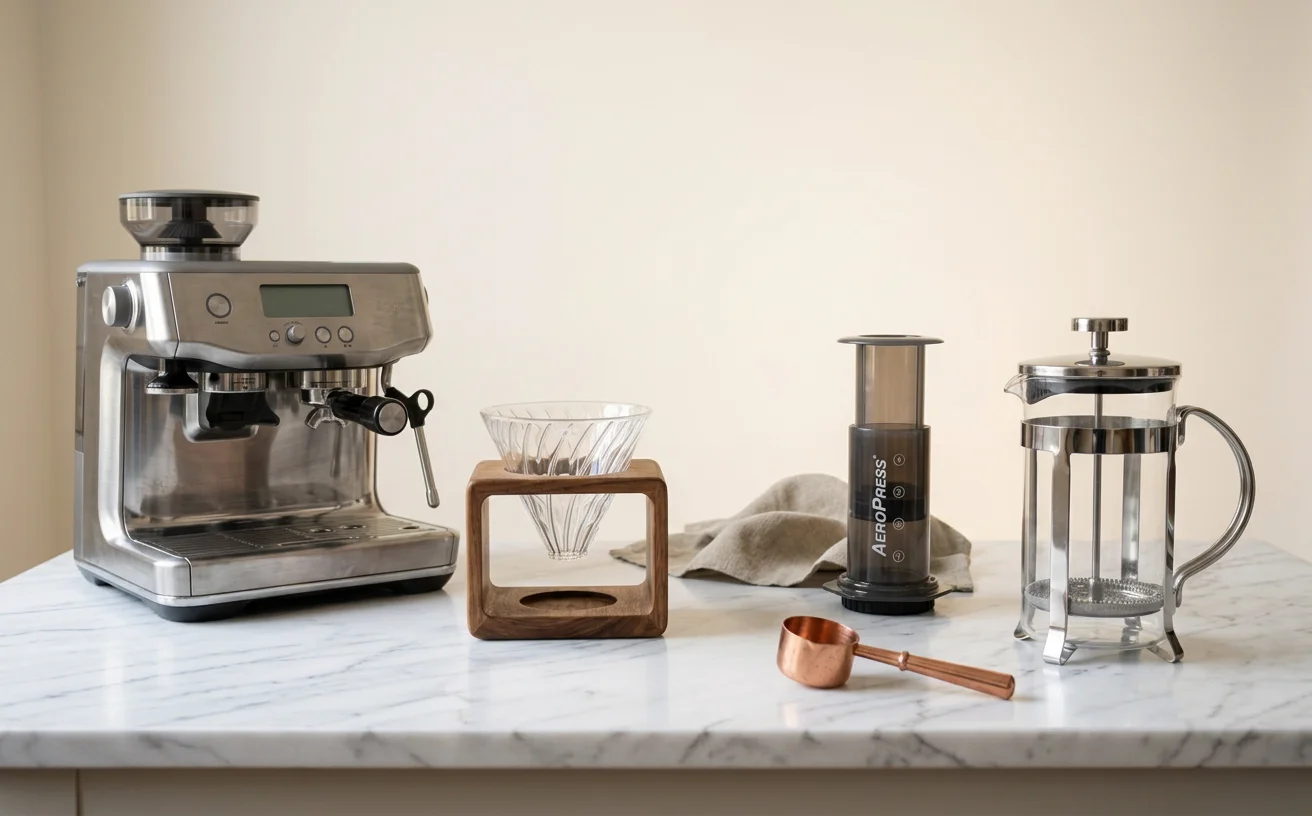
Every product on Balance Journal is tested using the same structured process in The Editor Lab. Four brewing methods, blind tasting, and a transparent scoring framework.
More Reviews
Balance Coffee Review 2026: Tried, Tested, Honest Verdict
Blossom Coffee Roasters Review 2026: Tried, Tested, Honest Verdict
Clifton Coffee Review 2026: Tried, Tested, Honest Verdict
Clumsy Goat Coffee Review 2026: Tried, Tested, Honest Verdict
Extract Coffee Review 2026: Tried, Tested, Honest Verdict