Balance Coffee Review 2026: Tried, Tested, Honest Verdict
All recommendations are independently chosen and tested through The Editor Lab. This article contains affiliate links - if you buy through our links, we may earn a small commission at no extra cost to you. This never influences our recommendations.
Balance Coffee Review 2026: Clean Coffee Put to the Test
I remember the exact moment I knew clean coffee wasn't just a marketing line. It was January 2021, about eight months after I'd launched Balance Coffee from my kitchen table in Cambridge. I'd just received the first third-party lab report on our Stability Blend. Zero mycotoxins. Zero pesticide residue. Zero heavy metals above trace. I sat staring at the PDF on my phone, half a V60 going cold beside me, and thought: this actually works.
In our roundup of the best coffee beans in the UK, Balance Coffee took the top spot. But I want to be upfront. I founded this brand. I source the beans and approve the roast profiles. So why review it at all? Because our testing team at Balance Journal applies the same blind methodology to every brand, mine included. No special treatment. No inflated scores. Just honest cups and honest notes on the clipboard.
Editor's note: James Bellis is the founder of Balance Coffee. Full transparency: the testing for this review was conducted using the same blind tasting protocol and Editor Lab™ scoring criteria applied to every brand we review, including Assembly Coffee and Origin Coffee. The team didn't know which sample was Balance until after scores were finalised.
The Brand Story
Balance Coffee launched in April 2020, right in the thick of the first UK lockdown. I'd spent over twelve years in speciality coffee, including a stint as a barista trainer for one of the UK's largest coffee companies, before deciding to go solo. The original plan was a restaurant. Covid killed that overnight. A few bottles of wine and a lot of frustration later, the pivot to clean, health-focused coffee felt obvious.
The mission was simple. Source from the top 5% of farms worldwide, pay up to 25% above market rate for beans that meet strict purity standards, then lab-test every batch through an independent third party. No mould. No mycotoxins. No pesticide residue. No heavy metals. That's not a tagline. It's a published lab result.
I worked closely with nutritionist Clemmie Rose, who consults for Harrods, to understand how sourcing and roasting affect antioxidant retention and gut comfort. The result is a range of 100% speciality-grade Arabica, scoring 80+ on the SCA scale, sourced from farms across Mexico, Uganda, Brazil, Colombia, and Guatemala. Every bag is roasted to order and date-stamped for freshness. You can browse the full range at balancecoffee.co.uk.
How We Tested
We put five Balance Coffee products through a structured blind tasting over two weeks in February 2026. Equipment included a Sage Barista Pro for espresso, a Hario V60 for pour-over, and an AeroPress for immersion brewing. Each coffee was tasted black first, then with oat milk. Our three-person panel scored across five categories: aroma, flavour clarity, body, finish, and overall balance. Water was filtered, doses weighed to the gram, and extraction times logged. All scores were recorded before the reveal. Nobody knew which sample was Balance until the numbers were in. Full details on our process are available on The Editor Lab™ methodology page.
Taste & Quality
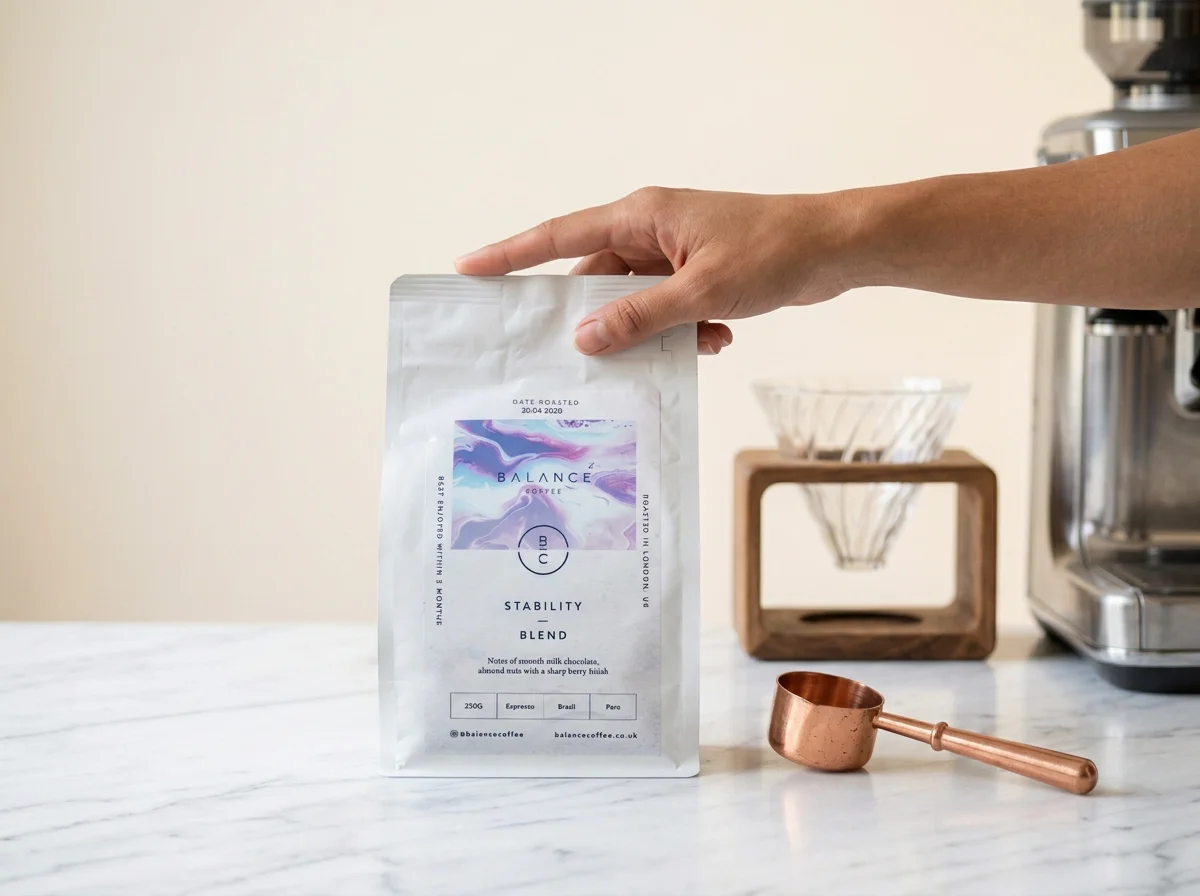
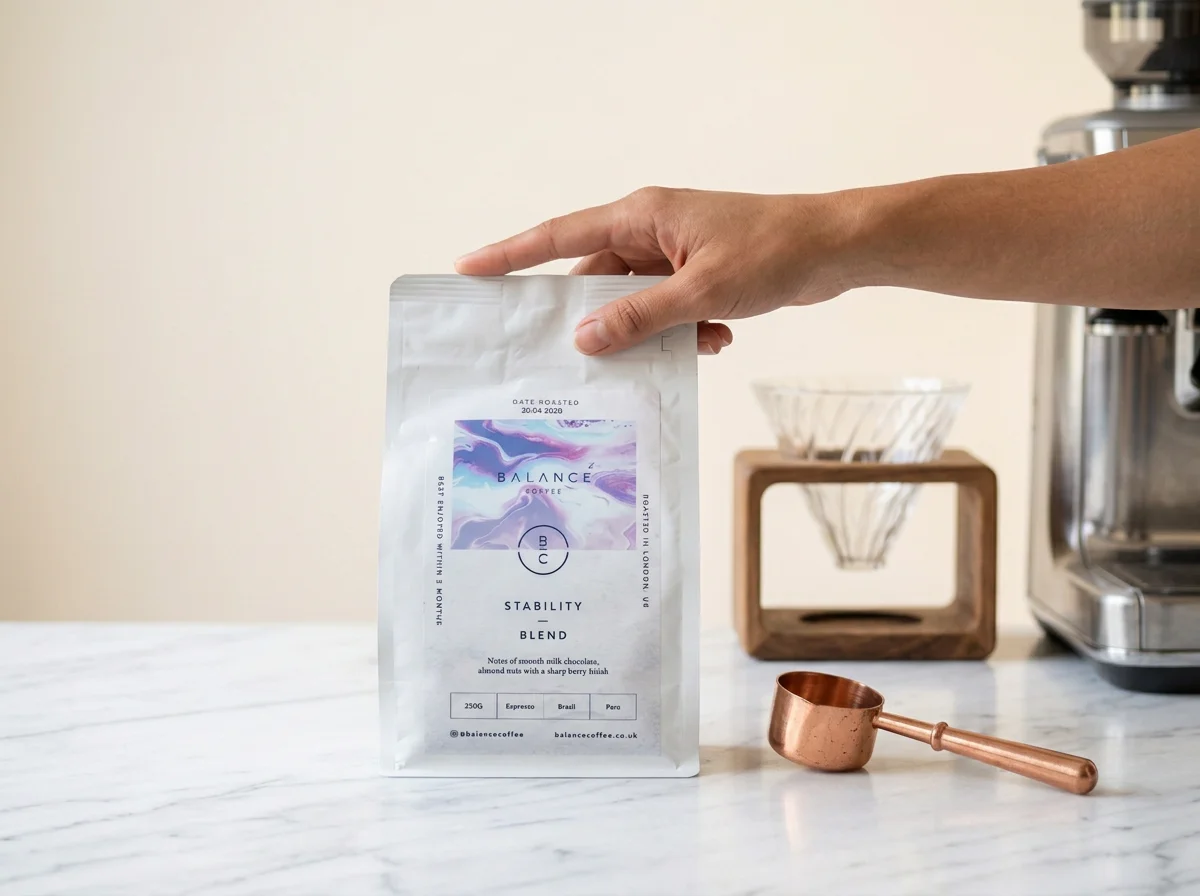
The Stability Blend is the flagship, and it earned that position. Ground fresh for the V60, the dry aroma hit us with roasted hazelnut and a faint sweetness close to dried fig. The first sip delivered milk chocolate front and centre, smooth and rounded, with a hazelnut mid-note that lingered without turning bitter. The finish was clean. Properly clean. No ashy aftertaste, no drying tannins. Just a gentle toffee fade. With oat milk, it became almost dessert-like. One taster described it as "what a Cadbury hot chocolate wishes it was."
Level Up Blend surprised us. Medium roast from Brazil and Uganda, it opened with bright berry sweetness on the nose. Black, there's a distinct strawberry note that mellows into dark chocolate as it cools. Add milk and you get something silky, almost like strawberry cream. A genuinely different profile from Stability, which shows range in the lineup.
Darkfire Energy is the bold option. Dark roast. Intense. The espresso pulled thick with persistent crema and delivered bitter dark chocolate, toasted walnut, and a smoky, lingering finish. If you like your coffee to punch you awake, it does the job with more complexity than most dark roasts manage.
The Halcyon Decaf from Guatemala deserves a mention too. Medium roast, Swiss Water processed, with milk chocolate and a soft nutty quality. Through the AeroPress it produced a surprisingly full-bodied cup. It's one of the few decafs we've tested that doesn't taste like it's apologising for existing.
What We Liked
Lab-tested purity you can verify. Every batch comes with third-party testing for mould, mycotoxins, pesticides, and heavy metals. This isn't vague "clean" branding. The results are real.
No jitters, no crash. Nobody on the panel reported the jittery, anxious buzz you sometimes get from commercial-grade coffee. The energy felt calm and steady, which tracks with the absence of mycotoxins and the high antioxidant count from roasting to order.
Genuine origin traceability. Each blend lists exactly where the beans come from. Mexico and Uganda for Stability. Brazil and Uganda for Level Up. Guatemala for Halcyon Decaf. You know what you're drinking.
Aluminium pods done right. The Nespresso-compatible pods (from £26.99 for 30) use BPA-free aluminium capsules, which provide a better oxygen barrier than plastic alternatives. They're fully recyclable through the Podback scheme, so the aluminium gets melted down and the coffee grounds composted. Worth exploring alongside our picks for the best coffee pods in the UK.
What Could Be Better
The range is still relatively narrow. There are no washed East African single origins with those bright, citrusy, floral profiles that third-wave drinkers often crave. The Cerrado Esmerelda from Brazil hints at fruity territory, but the lineup skews heavily toward chocolate-and-nut comfort zones. If you want a punchy Kenyan or a juicy Ethiopian Yirgacheffe, you'll need to look elsewhere for now.
Price is also worth flagging. At £14.99 for 250g (Stability Blend), it sits above supermarket brands but in line with most speciality roasters. The 1kg bags bring it down to roughly £0.67 per cup, which is competitive. Still, if budget is your main concern, it's not the cheapest option available.
Value for Money
The Stability Blend works out to about £1.00 per cup at the 250g size, dropping to around £0.67 per cup with the 1kg bag at £39.99. Subscribe and you'll save roughly 15%, bringing the 250g down to £12.74. Compared to Assembly Coffee and Origin Coffee, which sit at similar price points without the lab testing, the value holds up well.
For Balance Journal readers, use code JOURNAL for an additional 20% off your first order at balancecoffee.co.uk. That drops the Stability Blend 250g to just under £12.
The Verdict
Balance Coffee does what it promises. The beans taste excellent, the lab testing is genuine, and the health-first approach delivers a noticeably smoother, calmer coffee experience. The Stability Blend is a dependable daily driver with real depth, Level Up offers something brighter and more playful, and the pods make clean coffee accessible for anyone short on time.
It's not for everyone. If you chase wildly experimental single origins or want the cheapest bag possible, you'll find better fits elsewhere. But if you care about what's actually in your cup, if you want speciality-grade flavour without the jitters and the crash, this is one of the best options in the UK right now.
Yes, I'm biased. I built the brand. But the blind tasting scores don't lie. Balance Coffee earned its spot.
FAQs
Is Balance Coffee really lab tested? Yes. Every batch is sent to an independent third-party lab and tested for mould, mycotoxins, pesticides, and heavy metals. Results confirm zero harmful contaminants above safe thresholds.
What does "clean coffee" actually mean? At Balance, clean coffee means speciality-grade Arabica that's been lab-verified as free from mould, toxins, and chemical residue. It's also roasted to order to preserve antioxidants.
Is Balance Coffee organic? The Stability Blend is certified organic. Other blends follow the same sourcing standards for purity but don't all carry formal organic certification.
Can I recycle Balance Coffee pods? Yes. The aluminium capsules are fully recyclable through the Podback scheme. Arrange a free collection or drop them at a local collection point. The grounds are composted and the aluminium is recovered.
How does Balance Coffee compare to other speciality brands? It scores competitively on taste against brands like Assembly and Origin, with the added benefit of third-party lab testing for purity. The health-first angle sets it apart from most UK speciality roasters.
James Bellis Forbes-featured coffee expert and wellness founder exploring the intersection of health, performance, and great coffee.
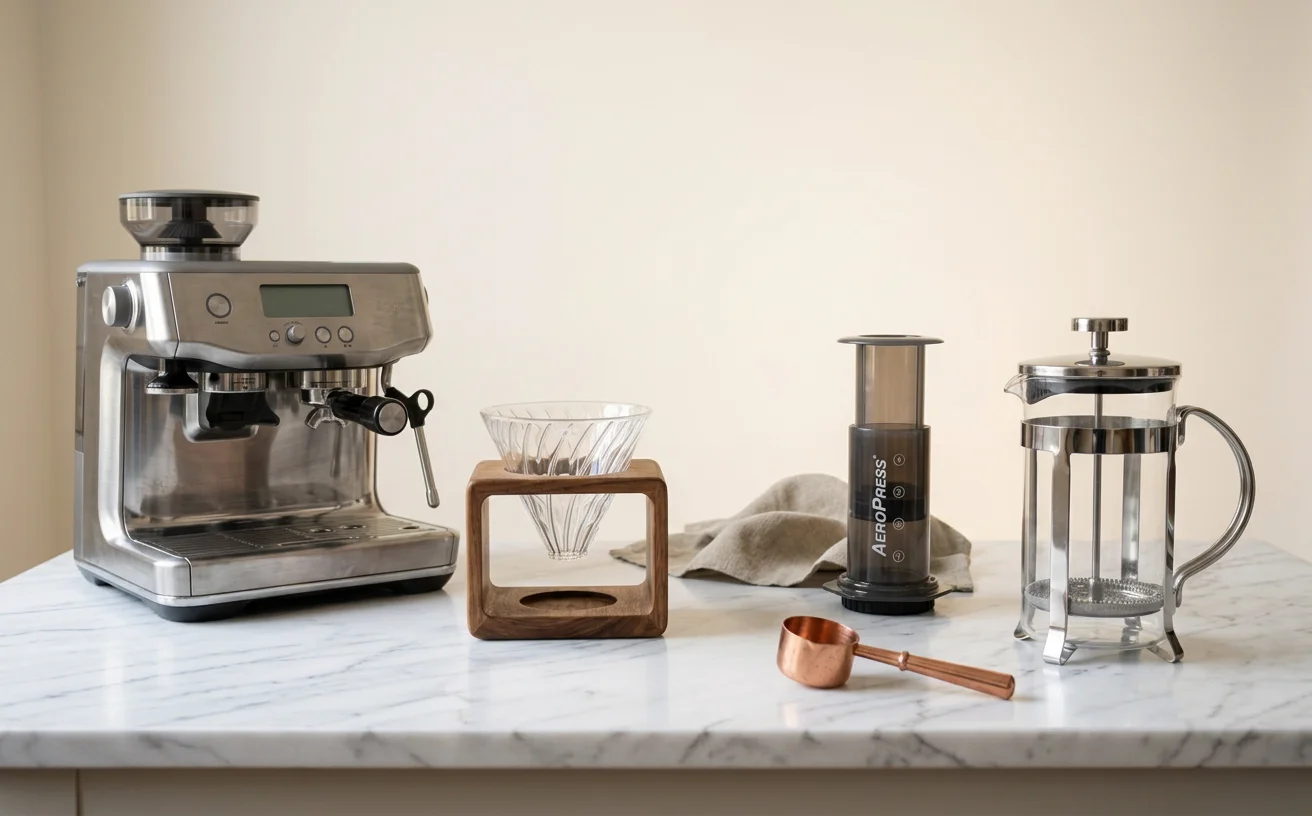
Every product on Balance Journal is tested using the same structured process in The Editor Lab. Four brewing methods, blind tasting, and a transparent scoring framework.
More Reviews
Assembly Coffee Review 2026: Tried, Tested, Honest Verdict
Blossom Coffee Roasters Review 2026: Tried, Tested, Honest Verdict
Clifton Coffee Review 2026: Tried, Tested, Honest Verdict
Clumsy Goat Coffee Review 2026: Tried, Tested, Honest Verdict
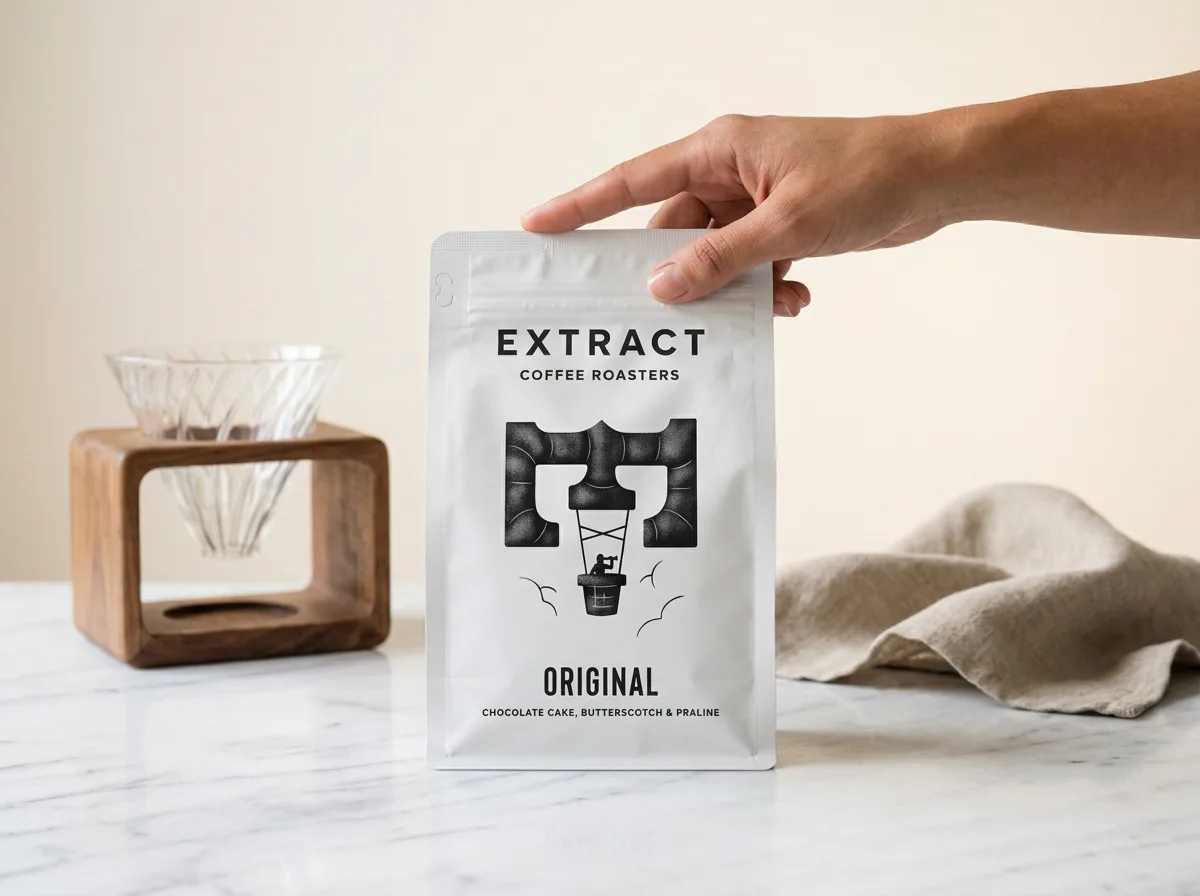
Extract Coffee Review 2026: Tried, Tested, Honest Verdict