Clumsy Goat Coffee Review 2026: Tried, Tested, Honest Verdict
All recommendations are independently chosen and tested through The Editor Lab. This article contains affiliate links - if you buy through our links, we may earn a small commission at no extra cost to you. This never influences our recommendations.
Clumsy Goat Coffee Review 2026: Real Speciality, Honestly Priced
I wasn't expecting much. I'll be honest about that. A Lancashire roaster with a playful name and 1kg bags priced well below most speciality competitors, it felt like the setup for a letdown. Then I ground the Ethiopian Sidamo on a Sunday morning in late February, and the kitchen filled with something floral and bright, stone fruit and citrus lifting off the grounds before the kettle had even boiled. My daughter wandered in, still half asleep, and said it smelled like sweets. She wasn't wrong. That bag earned its place on our list of the best coffee beans in the UK, and it did so without any fanfare at all.
Clumsy Goat ranked fourteenth in that roundup for best budget single origin. A strong position, but rankings only capture so much. We wanted to spend proper time with the full range, brewing across methods and filling tasting sheets, to find out whether the price tag tells the whole story.
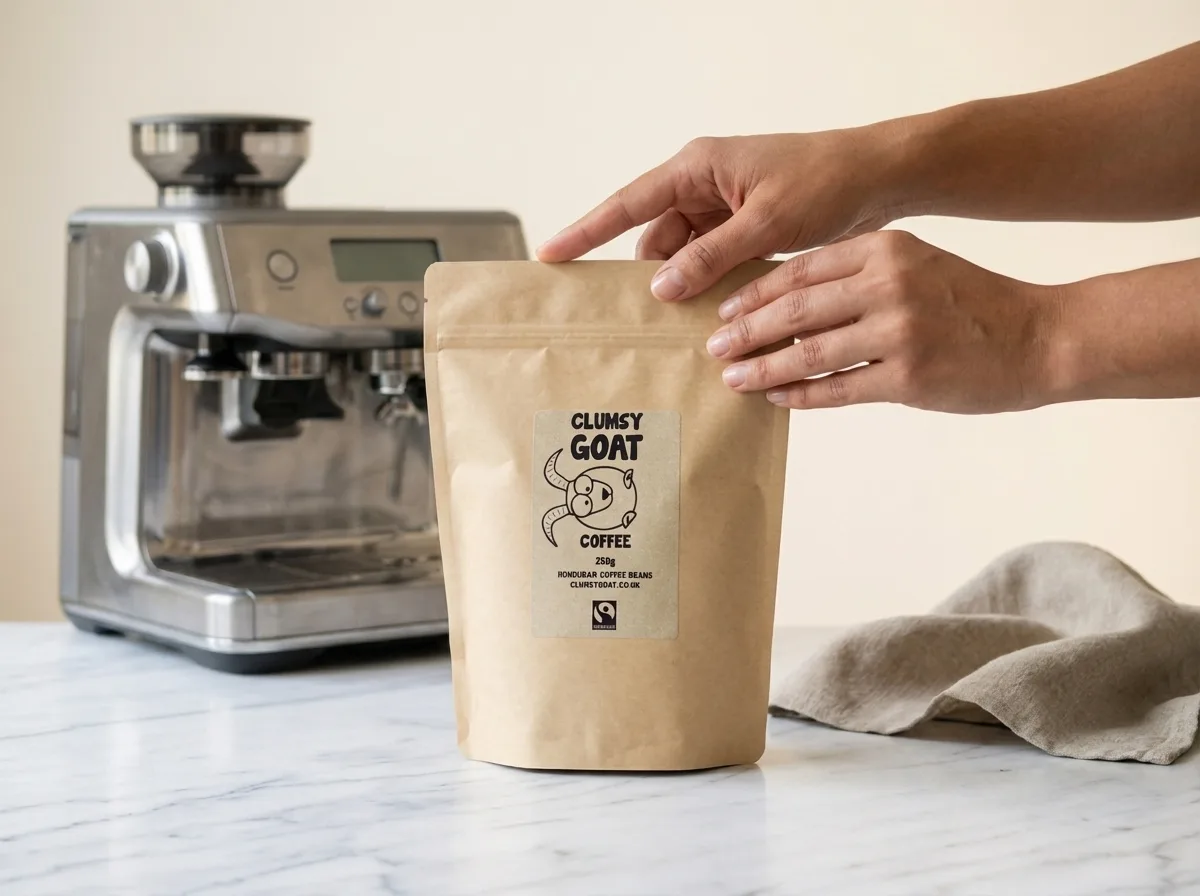
Editor's note: This review was conducted using the same blind tasting protocol and Editor Lab™ scoring criteria applied to every brand we cover, including Rave Coffee and Pact Coffee. Clumsy Goat Coffee provided no payment, free samples, or editorial input. All opinions are our own.
The Brand Story
The name comes from the legend of Kaldi, an Ethiopian goat herder who supposedly noticed his goats dancing and stumbling after eating coffee cherries. It's a charming nod to coffee's origins, and it sets the tone for a brand that doesn't take itself too seriously.
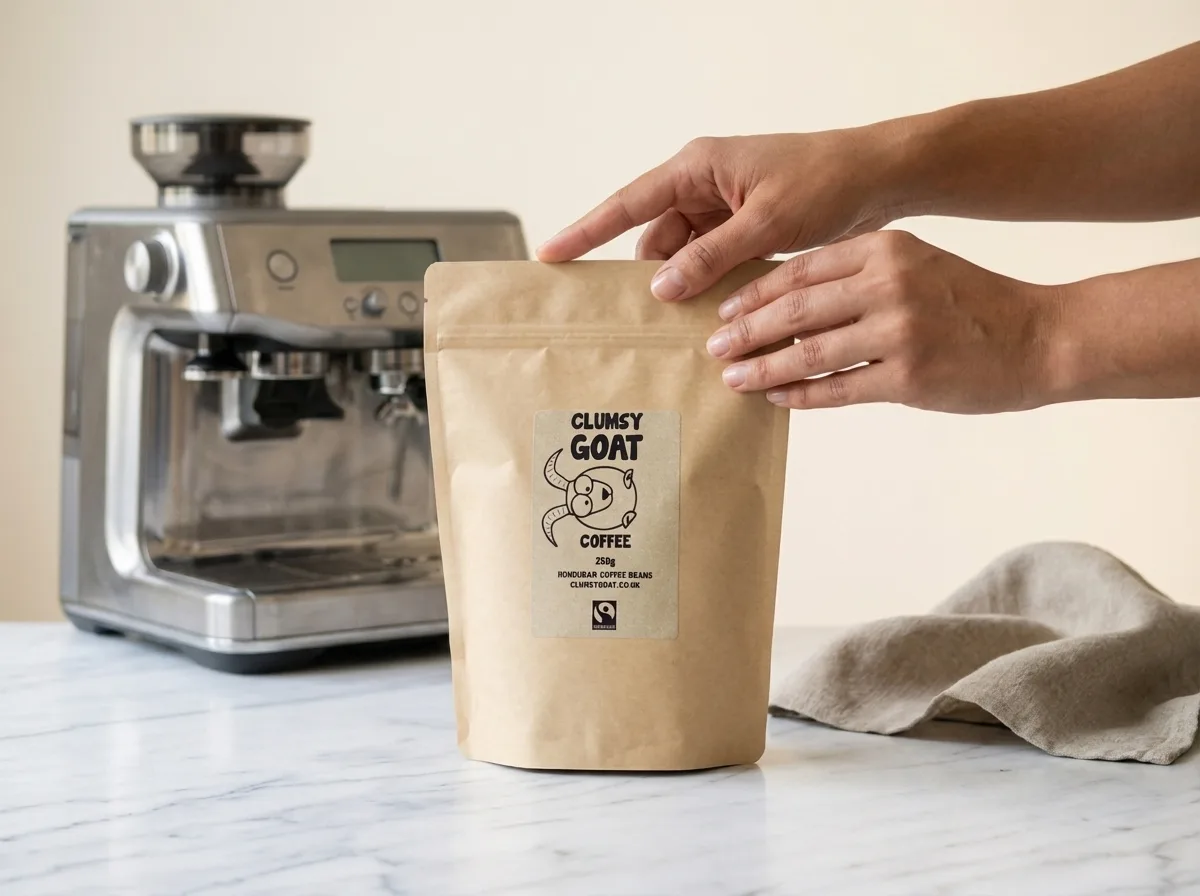
Clumsy Goat Coffee was incorporated in April 2015 and operates from Fieldhouse Industrial Estate in Rochdale, Lancashire. From the start, the focus has been on Fairtrade, single origin beans roasted in small weekly batches. Every coffee in the range carries Fairtrade certification, meaning farmers receive a guaranteed minimum price and a social premium for community investment. That commitment runs through everything they do, from sourcing partnerships with cooperatives in Peru, Honduras, Colombia, Ethiopia, and Brazil to fully recyclable packaging.
The operation has grown steadily but hasn't lost its small-batch identity. Beyond beans, they've expanded into espresso machines, grinders, and barista equipment. But coffee remains the core. The range is focused: seven or eight single origins and blends, all 100% Arabica, all Fairtrade. No gimmicks. Just good coffee, roasted with care, priced to make speciality accessible.
How We Tested
We tested five Clumsy Goat coffees across twelve days in February 2026: the Ethiopian Sidamo, Colombian, Honduran, Brazilian Medium Roast, and the Swiss Water Process Peruvian Decaf. Espresso was pulled on a Sage Barista Pro, pour-over brewed through a Hario V60, and immersion tested via AeroPress. Each coffee was tasted black, then with oat milk, scored by our three-person panel across aroma, flavour clarity, body, finish, and overall balance. Full methodology is outlined on The Editor Lab™ page.
Taste & Quality
The Ethiopian Sidamo was the star. Brewed as a V60 pour-over, it opened with a floral, almost jasmine-like aroma that gave way to stone fruit sweetness and a delicate lemongrass note on the finish. The mouthfeel was light but not thin. A chocolate mocha warmth underneath stopped it from feeling insubstantial. Black, it was clean and genuinely complex, the sort of cup that shifts as it cools and rewards you for paying attention. Through the AeroPress it became rounder, the citrus more muted, the body slightly fuller. This coffee punches well above its price point.
The Colombian was bright and fruit-forward. Our panel picked up apple and raspberry, with a crisp acidity that worked beautifully as a morning filter. Lighter and simpler than the Ethiopian, but in a good way. Approachable. The Honduran leaned in a different direction entirely, offering roasted nuts and caramel with a creamy body that suited espresso. Pulled as a double shot and cut with oat milk, it made a smooth, comforting flat white with a sweet, lingering finish.
The Brazilian Medium Roast felt like the safe option. Pleasant, balanced, no rough edges. But it lacked the personality of the single origins, and didn't quite compete with the Brazilian offerings from roasters like Origin Coffee. Fine for a daily cup, less interesting when you're paying attention.
The Swiss Water Process Peruvian Decaf surprised us. Walnut and caramel on the nose, a sweet milk chocolate finish, and none of the papery flatness that plagues so many decafs. One of the better Fairtrade decaf options we've tested this year, and a solid choice for evening drinking.
What We Liked
Genuine speciality at a price that doesn't sting. Their 1kg bags sit around the £31 mark, considerably cheaper per cup than most speciality roasters. For Fairtrade single origins with this level of flavour complexity, the value is difficult to beat. One of the strongest budget single origin options we've found.
Fairtrade across the entire range. Not just selected products. Every single coffee carries Fairtrade certification. That consistency matters, and it means you're not choosing between ethics and flavour.
Small-batch freshness you can taste. Weekly roasting keeps the beans lively. Our bags arrived with roast dates less than a week old, and the difference in aroma compared to supermarket beans was immediately obvious.
Clean, straightforward range. No decision fatigue. Seven or eight coffees, each clearly described, each serving a distinct purpose.
What Could Be Better
The website is functional but occasionally frustrating. During our testing, several bean variants showed as sold out, including some 250g options of the most popular origins. Stock availability seems inconsistent, and there's no restock notification or waitlist feature. If you find a favourite, buying in 1kg bags is the safer bet.
The branding, while charming, doesn't fully communicate the quality inside the bag. Packaging is clean and recyclable, which we appreciate. But it sits closer to the friendly end of the spectrum than the premium end. For some buyers, that'll be a plus. For others scrolling online, it might not signal "speciality" as loudly as competitors like Pact Coffee or Assembly Coffee.
Value for Money
This is where Clumsy Goat genuinely stands apart. At roughly £31 for a 1kg bag of Fairtrade single origin coffee, you're looking at around £0.62 per double espresso. That undercuts the majority of speciality roasters we've reviewed, many of whom charge £30 or more for 500g. Compare it to the Rave Coffee lineup and you'll find similar quality at a lower per-gram cost on the single origins. The 250g bags start from around £9.80 to £12.95, reasonable for sampling before committing to a kilo. For anyone drinking speciality coffee daily, the savings add up fast.
The Verdict
Clumsy Goat Coffee does something quietly impressive. It delivers real speciality single origin coffee, Fairtrade certified across the board, at prices that make daily drinking sensible rather than indulgent. The Ethiopian Sidamo is a genuine highlight, complex enough to hold your attention and clean enough to drink cup after cup. The Honduran makes a cracking flat white. And the decaf is better than it has any right to be at this price.
It's not perfect. The website stock issues need sorting, and the branding could work harder to match what's inside the bag. But those are surface-level gripes. What matters is the coffee, and the coffee is good. Properly good. If you've been curious about single origins but put off by the typical speciality price tag, Clumsy Goat is one of the best entry points in the UK right now. It earned its place in our top twenty, and this deeper test only reinforced why.
FAQs
Is Clumsy Goat Coffee good quality? Yes. Every coffee in their range is 100% Arabica, Fairtrade certified, and roasted in small weekly batches at their Rochdale roastery. The single origins show genuine complexity and clarity that competes with roasters charging considerably more.
What is the best Clumsy Goat Coffee to try first? The Ethiopian Sidamo is the standout. It's floral, fruity, and surprisingly complex for the price. If you prefer something darker and nuttier for espresso or milk-based drinks, the Honduran is a strong starting point.
How much does Clumsy Goat Coffee cost? Their 250g bags range from roughly £9.80 to £12.95. The 1kg bags sit around £31, which offers significantly better value per cup. For a broader comparison of pricing across UK roasters, see our guide to the best coffee beans in the UK.
Is Clumsy Goat Coffee Fairtrade? Yes, across the entire range. Every coffee they sell carries Fairtrade certification, which guarantees farmers a minimum price and funds community development projects in growing regions.
Where is Clumsy Goat Coffee based? Clumsy Goat Coffee is based at Fieldhouse Industrial Estate in Rochdale, Lancashire. They roast on site in small batches and ship across the UK, with delivery typically arriving within two days.
James Bellis Forbes-featured coffee expert and wellness founder exploring the intersection of health, performance, and great coffee.
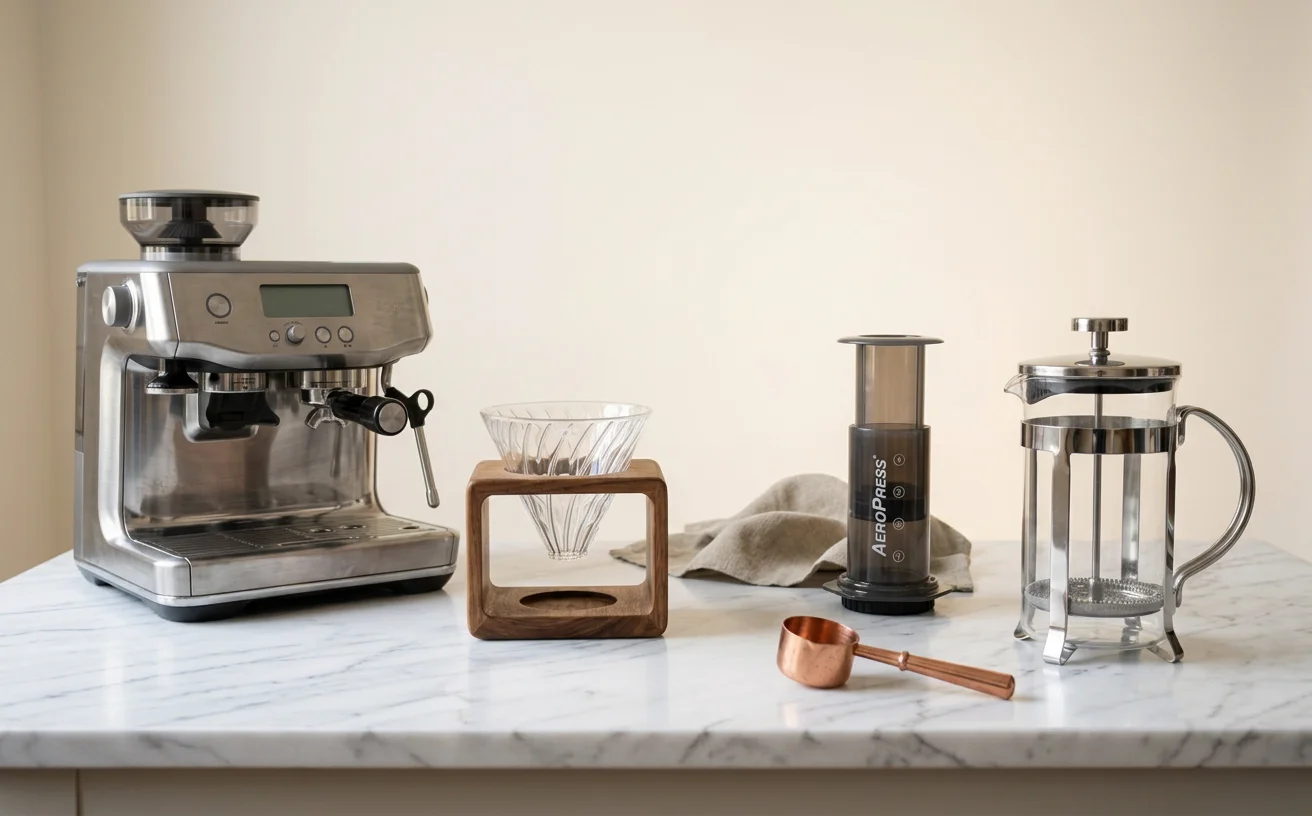
Every product on Balance Journal is tested using the same structured process in The Editor Lab. Four brewing methods, blind tasting, and a transparent scoring framework.
More Reviews
Assembly Coffee Review 2026: Tried, Tested, Honest Verdict
Balance Coffee Review 2026: Tried, Tested, Honest Verdict
Blossom Coffee Roasters Review 2026: Tried, Tested, Honest Verdict
Clifton Coffee Review 2026: Tried, Tested, Honest Verdict
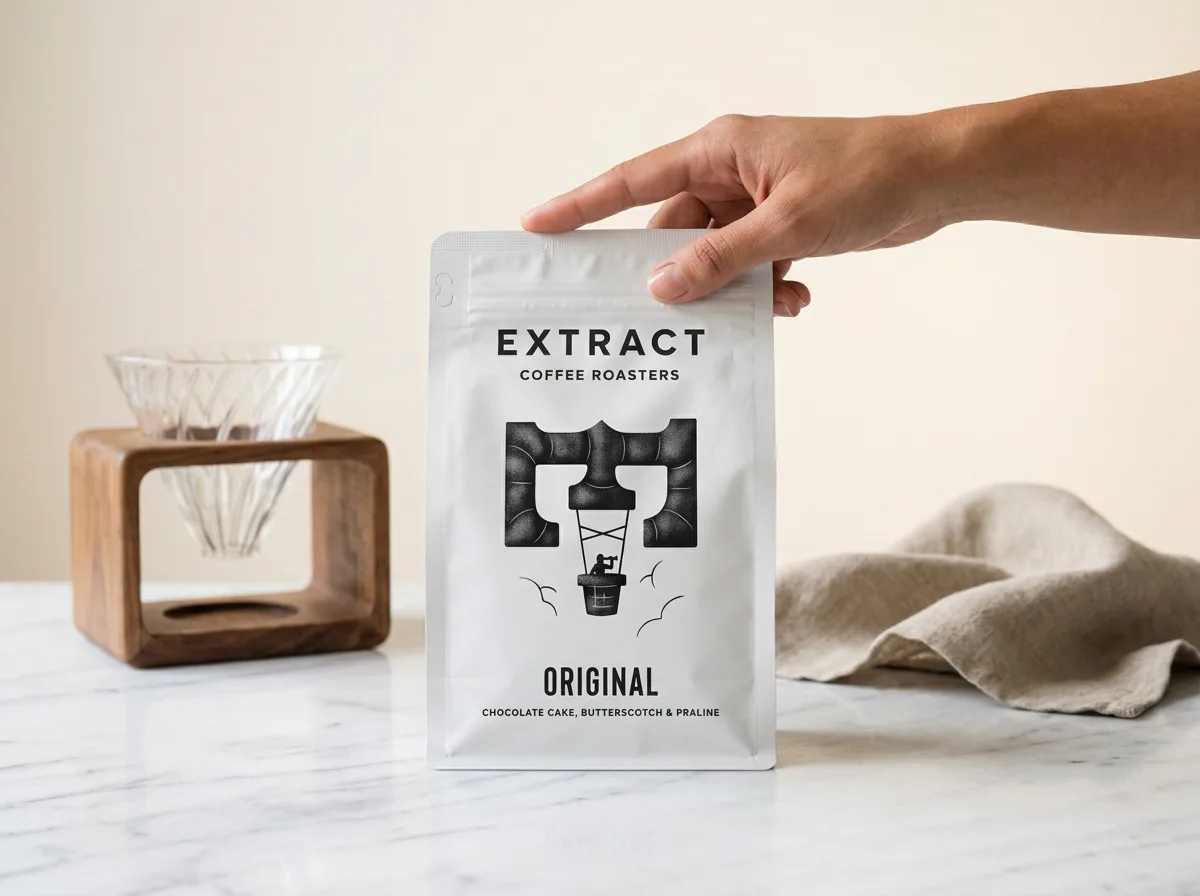
Extract Coffee Review 2026: Tried, Tested, Honest Verdict