Blossom Coffee Roasters Review 2026: Tried, Tested, Honest Verdict
All recommendations are independently chosen and tested through The Editor Lab. This article contains affiliate links - if you buy through our links, we may earn a small commission at no extra cost to you. This never influences our recommendations.
Blossom Coffee Roasters Review 2026: Manchester's Quiet Riser
I first tasted Blossom on a Saturday morning in late 2022, sat in the window of a small cafe in the Northern Quarter. The barista pulled a flat white without fanfare, slid it across the counter, and went back to wiping down the group heads. I took a sip and stopped mid-sentence. There was something unexpectedly delicate in the cup. A floral lift, almost tea-like, followed by a clean sweetness that faded slowly and left no bitterness at all. I asked where the beans came from. "Blossom," she said. "They're just round the corner." That was the first time I'd heard the name. It wasn't the last.
In our roundup of the best coffee beans in the UK, Blossom earned the number fifteen spot as Best Newcomer. A small Manchester roastery launched during a pandemic, run by three people with serious pedigree, producing coffee with the confidence of an operation ten years older. This review puts the full range through structured testing and asks the obvious question: is the hype deserved?
Editor's note: James has followed Blossom Coffee Roasters since late 2022 and has visited their Manchester roastery once, in spring 2025. He has no commercial relationship with the brand.
The Brand Story
Blossom Coffee Roasters was founded in Manchester in the summer of 2020, right in the middle of a global lockdown. That timing sounds reckless. It was actually calculated. Co-founders Josh Clarke and Andy Farrington had spent years at some of the most respected names in speciality coffee. Clarke served a roasting apprenticeship at Coffee Supreme in Melbourne. Farrington began his career at Prufrock Coffee in London, then worked globally with a focus on climate and sustainability in coffee production. Oli Jones, who heads up wholesale, previously ran the North of England operation at Origin Coffee and is a certified SCA instructor.
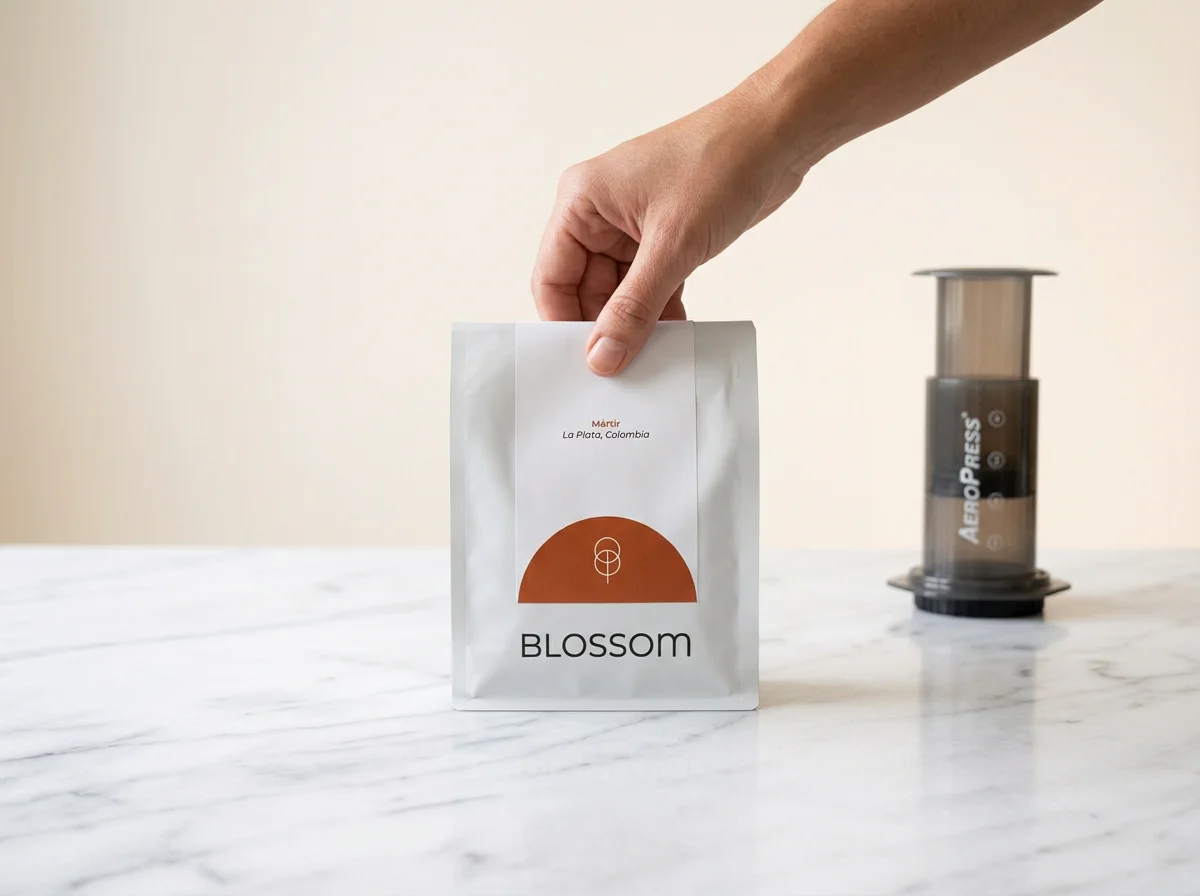
Their conviction was simple. Manchester deserved a world-class speciality roaster of its own, and the industry needed a more transparent supply chain to survive long term. They roast in small batches on a Loring machine at their facility in Noma, powered by renewable energy. They publish annual transparency reports detailing what they pay producers. They're CarbonNeutral certified, members of 1% For The Planet, and a pending B Corp. The branding, by Manchester studio With Love Project, uses blue for espresso and orange for filter. Clean, minimal, zero fuss.
How We Tested
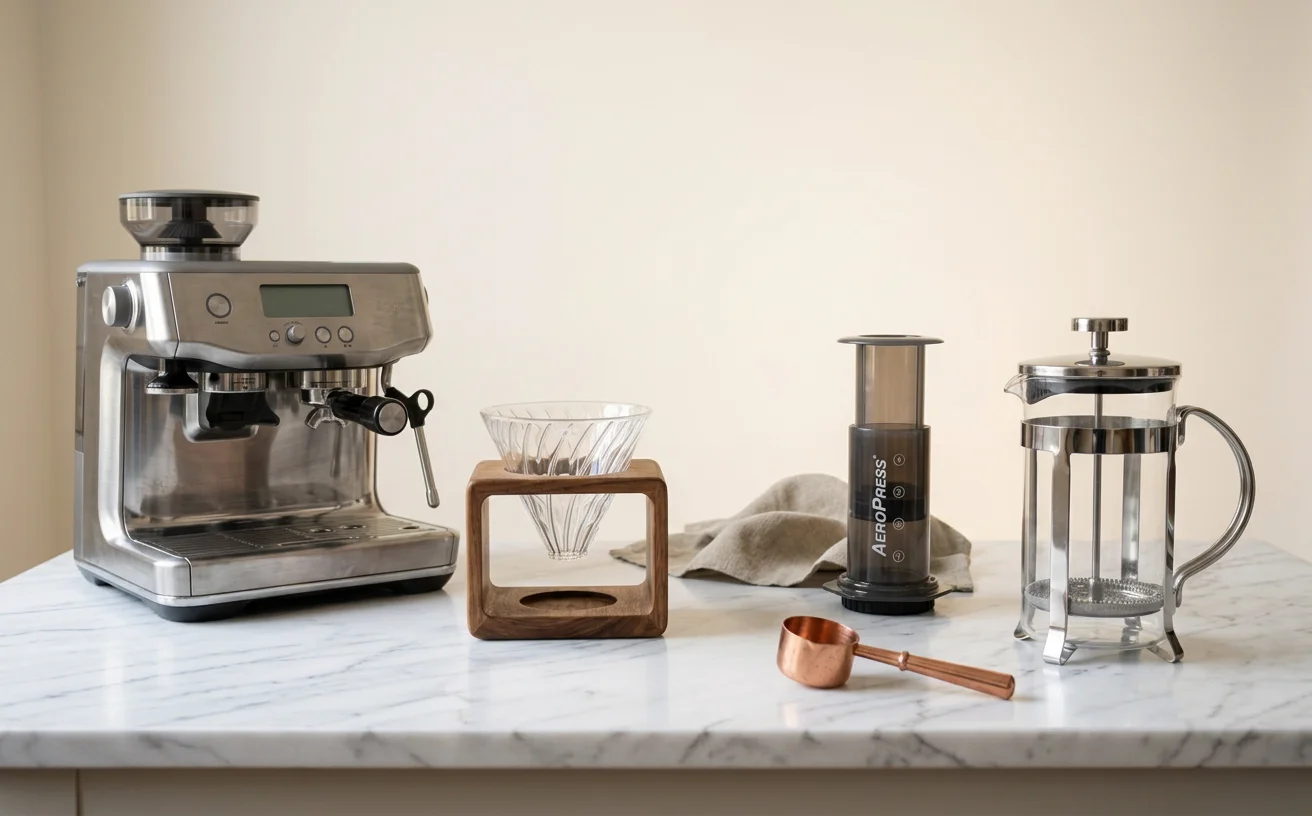
We put five Blossom coffees through a structured tasting over twelve days in February 2026. Equipment included a Hario V60 for pour-over, an AeroPress for immersion, and a Sage Barista Pro for espresso. Each coffee was tasted black first, then with oat milk. Our three-person panel scored blind across five categories: aroma, flavour clarity, body, finish, and overall balance. Full details on our process are available on The Editor Lab™ methodology page.
Taste & Quality
The Bookkisa, an Ethiopian single origin, was the standout. Brewed on the V60 at a 1:16 ratio, the dry grounds released a perfume of ripe peach and white grape before water touched them. The first sip delivered elderflower and a delicate stone fruit sweetness that spread evenly across the palate. The body was silky, almost weightless, the kind of cup that feels like drinking something lighter than coffee. One taster wrote "tea-like clarity" in her notes. Through the AeroPress, those floral high notes condensed into something rounder. The peach ripened, a hint of apricot came forward, and the finish lengthened into a gentle honeyed sweetness.
The Blossom Espresso blend surprised us for different reasons. It pulled a thick, stable crema and delivered rich caramel sweetness with dark chocolate undertones. Not complex in the way the single origins are, but deeply satisfying as a flat white base, carrying through oat milk without losing its identity.
The Martir Decaf, processed using sugarcane EA, held together better than most decafs we've tested. Gentle nuttiness, clean body, no hollow aftertaste. It won't replace the Bookkisa. Nothing will. But it's credible for evenings.
The San Martin, a Colombian honey-processed lot, sat between the brightness of the Bookkisa and the richness of the espresso blend. Sweet, balanced, with a syrupy mouthfeel and a finish of brown sugar.
What We Liked
Sourcing transparency that goes beyond slogans. Blossom publishes annual reports detailing the prices they pay to producers. They name the farms, disclose the numbers, and build long-term relationships rather than chasing one-off lots. In a market crowded with vague ethical claims, this level of openness is rare and welcome.
Roasting precision. Across all five coffees, we found zero scorching, no baked notes, and no uneven development. The Loring delivers remarkably consistent profiles, and Clarke's background shows. Every cup tasted intentional. Light roasts stayed bright without being sour. The espresso blend was developed enough to hold up in milk without tipping into ash.
Fully recyclable packaging. The bags are aluminium-free and fully recyclable through standard household collection. It sounds minor, but most speciality roasters still use multi-layer pouches that end up in landfill.
The rotation. Blossom's filter range shifts with the seasons, so there's always something new alongside the core blends. If you subscribe, you're exploring rather than repeating.
What Could Be Better
The website navigation gave us some friction. Product pages load cleanly enough, but finding detailed tasting notes, brew guides, or the transparency reports took more clicks than it should. The information exists, but it's buried. For a brand that prides itself on openness, making that data easier to reach would reinforce the message. We'd love to see a dedicated sourcing page with producer profiles front and centre, similar to what Origin Coffee does well.
The blend range is also narrow. Two espresso options and a decaf. If you want a lighter, fruit-forward espresso blend, Blossom doesn't currently offer one. You're pushed toward the single origins, which cost a few pounds more per bag.
Value for Money
Blossom's espresso blend starts at £9.50 for 250g, which is competitive for speciality coffee and in line with roasters like Assembly Coffee and Balance Coffee. Single origins typically land between £12 and £13 for 250g, with the El Granadilla Geisha at the top end around £17. For the quality on offer, those prices feel fair, not cheap, but justified by the sourcing standards and roasting consistency.
Subscriptions bring the cost down further and include the convenience of regular deliveries. Compared to what you'd pay for equivalent quality from roasters like Square Mile or Koppi, Blossom holds its own. The Bookkisa at £13 for 250g is a genuine bargain for Ethiopian coffee of that clarity.
The Verdict
Blossom Coffee Roasters launched during a pandemic with something to prove, and they've proved it. In less than six years they've built a roastery that competes with operations twice their age, backed by sourcing ethics that most larger brands still can't match. The Bookkisa alone, with its elderflower delicacy and weightless body, is one of the most memorable filter coffees we've tasted this year.
It's not a roastery for everyone. The blend range is limited, the website could do more to surface the excellent work happening behind the scenes, and availability on some seasonal lots can be tight. But if you care about where your coffee comes from, who grew it, and what they were paid, Blossom gives you straight answers. That matters.
For Manchester, they've filled a gap that needed filling. For UK speciality coffee more broadly, they're a name you'll keep hearing. If you haven't tried them yet, start with the Bookkisa and a V60. You'll understand quickly enough.
For more options, browse our guides to the best coffee roasters in Manchester and the best coffee beans in the UK.
FAQs
Is Blossom Coffee Roasters worth the price? For single origin quality, yes. The Bookkisa delivers complexity that rivals roasters charging more per bag, and their transparent pricing means you know where your money goes. The espresso blend at £9.50 for 250g is solid value for daily drinking.
Where is Blossom Coffee roasted? All coffee is roasted at their facility in Noma, Manchester, using a Loring roaster powered by renewable energy.
Does Blossom Coffee offer a subscription? Yes. They offer rotating single origin and espresso subscriptions at intervals you choose. Details are on the Blossom website.
Is Blossom Coffee sustainable? Blossom is CarbonNeutral certified, uses fully recyclable packaging, roasts on renewable energy, and publishes annual transparency reports. They support World Coffee Research and are members of 1% For The Planet, with B Corp certification pending.
How does Blossom compare to other Manchester roasters? Their single origins compete with the best in the UK, not just the best in Manchester. For a broader comparison, see our guide to the best coffee roasters in Manchester.
James Bellis Forbes-featured coffee expert and wellness founder exploring the intersection of health, performance, and great coffee.
Every product on Balance Journal is tested using the same structured process in The Editor Lab. Four brewing methods, blind tasting, and a transparent scoring framework.
More Reviews
Assembly Coffee Review 2026: Tried, Tested, Honest Verdict
Balance Coffee Review 2026: Tried, Tested, Honest Verdict
Clifton Coffee Review 2026: Tried, Tested, Honest Verdict
Clumsy Goat Coffee Review 2026: Tried, Tested, Honest Verdict
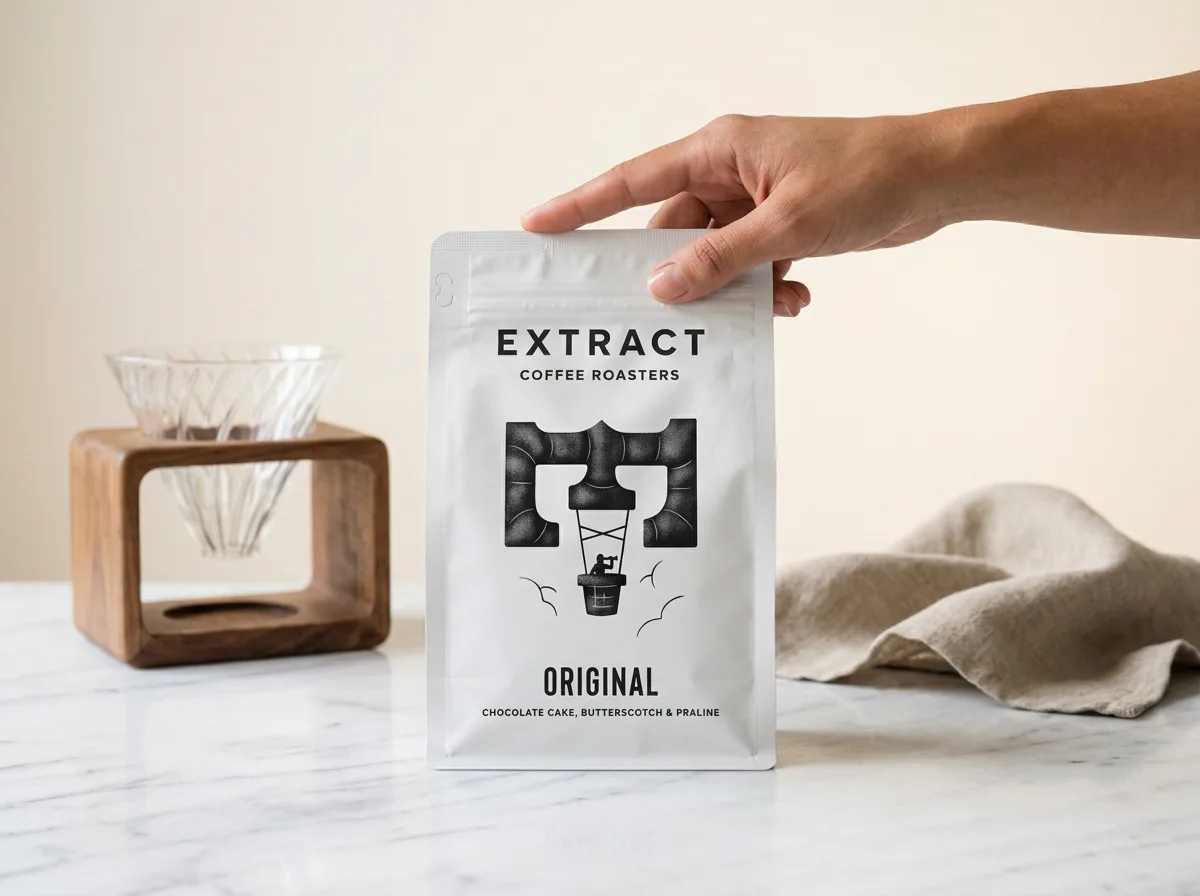
Extract Coffee Review 2026: Tried, Tested, Honest Verdict