Spacegoods Rainbow Dust Review 2026: Tried, Tested, Honest Verdict
All recommendations are independently chosen and tested through The Editor Lab. This article contains affiliate links - if you buy through our links, we may earn a small commission at no extra cost to you. This never influences our recommendations.
Spacegoods Rainbow Dust Review 2026: More Than Mushroom Coffee?
Before I opened the pouch, I'd already seen it everywhere. My Instagram explore page. Three separate TikTok ads in one morning. A colleague's desk in a co-working space in Shoreditch last September, the iridescent packaging catching the light next to a half-drunk flat white. Spacegoods Rainbow Dust has become one of the most visible wellness products in the UK, and that kind of marketing momentum always makes me suspicious. In fifteen years working across the coffee industry, I've learned that the louder the branding, the more carefully you need to taste what's inside.
So we did. Properly.
In our roundup of the best mushroom coffee brands in the UK, Spacegoods Rainbow Dust earned the top spot for full-spectrum adaptogen blends. But calling it "mushroom coffee" is generous. This is something else, a supplement-forward powder that happens to contain caffeine, and that distinction matters. This review breaks down what three weeks of daily testing actually revealed.
Editor's note: I've spent over fifteen years in the coffee industry, including a decade working with Sanremo, one of the world's leading espresso machine manufacturers. I've worked directly with over sixty of the UK's top roasters, trained baristas, and built Balance Coffee from the ground up. Spacegoods has no commercial relationship with Balance Journal. No brand paid to appear in this review. Every score was finalised using The Editor Lab's blind tasting protocol before the brand reveal.
James Bellis, Editor-in-Chief, Balance Journal
The Brand Story
Spacegoods launched in 2021 with a single product and a very clear bet: that the future of functional drinks wasn't about isolated ingredients but about stacking them. Where most mushroom coffees pair one or two extracts with a coffee base, Rainbow Dust throws six adaptogens into the mix alongside three mushroom extracts. Lion's mane, cordyceps, chaga, ashwagandha, maca root, rhodiola rosea, chicory inulin, and vitamin B5. It's the broadest ingredient stack we've tested in any single product.
The brand has grown fast. Backed by social media virality and a genuinely eye-catching brand identity, Spacegoods secured placement in Holland & Barrett and has reportedly been in talks with Boots and Whole Foods. The founders positioned Rainbow Dust not as a coffee alternative but as a "daily driver for focus, energy and calm," which is an ambitious promise from a single pouch. Whether the formulation delivers on that promise is a different question.
How We Tested
We tested the Coffee variant of Rainbow Dust (120mg caffeine per serving) over three weeks in January 2026. Our protocol covered four preparations: dissolved in hot water, blended with oat milk, mixed into cold water as an iced drink, and added to a shot of espresso pulled on the Sage Barista Pro. Each method was scored by our three-person panel across aroma, flavour clarity, body, finish, and overall balance. We also ran a side-by-side comparison with London Nootropics Flow and DIRTEA's Super Blend to calibrate where Rainbow Dust sits against direct competitors. Full methodology lives on The Editor Lab page.
Taste Notes
This is where it gets complicated. The dry powder smells like roasted cocoa with a malty sweetness underneath. Pleasant. Inviting, even. Mixed into hot water, the first sip landed somewhere between a hot chocolate and a coffee, with a roasted, slightly bitter edge that I couldn't quite place. It wasn't bad. But it wasn't coffee either.
I remember the exact moment during testing when our panel disagreed. One taster found it smooth and genuinely enjoyable, like a "mocha without the sugar." Another wrote "tastes like a vitamin dissolved in cocoa" on the scoring sheet. That split reaction followed us through the entire three weeks. The taste is polarising because it's trying to balance so many ingredients at once, and some of them pull in different directions. The ashwagandha brings a slight bitterness. The maca adds an earthy, almost nutty quality. The chicory inulin lends a mild sweetness that softens the blend but also pushes it further away from anything resembling actual coffee.
With oat milk, the profile smooths out considerably. The cocoa edge rounds into something warmer and more drinkable, and the competing flavour notes find a better balance. If you're going to drink this daily, oat milk is the move.
Here's the thing that tripped me up. I was in a hotel in Manchester back in 2022, testing a different adaptogen blend from a brand that's since folded, and I had the same thought then that I had with Rainbow Dust: the more ingredients you stack, the harder it becomes to taste any single one. Rainbow Dust is engineered for a broad effect, not a specific flavour experience. Once I stopped judging it as coffee and started evaluating it as a functional drink, the scores shifted.
What We Liked
The ingredient density is unmatched. Six adaptogens, three mushroom extracts, prebiotic fibre and vitamin B5 in a single serving. At 3,000mg total adaptogen load, it's the most ingredient-dense product in our mushroom coffee roundup. If you want breadth of coverage from one product rather than stacking multiple supplements, Rainbow Dust delivers that.
The energy curve is noticeable. Over three weeks of daily use, our panel consistently noted a smoother, more sustained energy pattern compared to standard coffee alone. No jitters, no hard crash at 2pm. Whether that's the adaptogens, the moderate caffeine dose, or the combination is impossible to isolate, but the subjective experience was real. Healthline notes that ashwagandha has clinical evidence for reducing cortisol levels, which could contribute to the calmer energy profile.
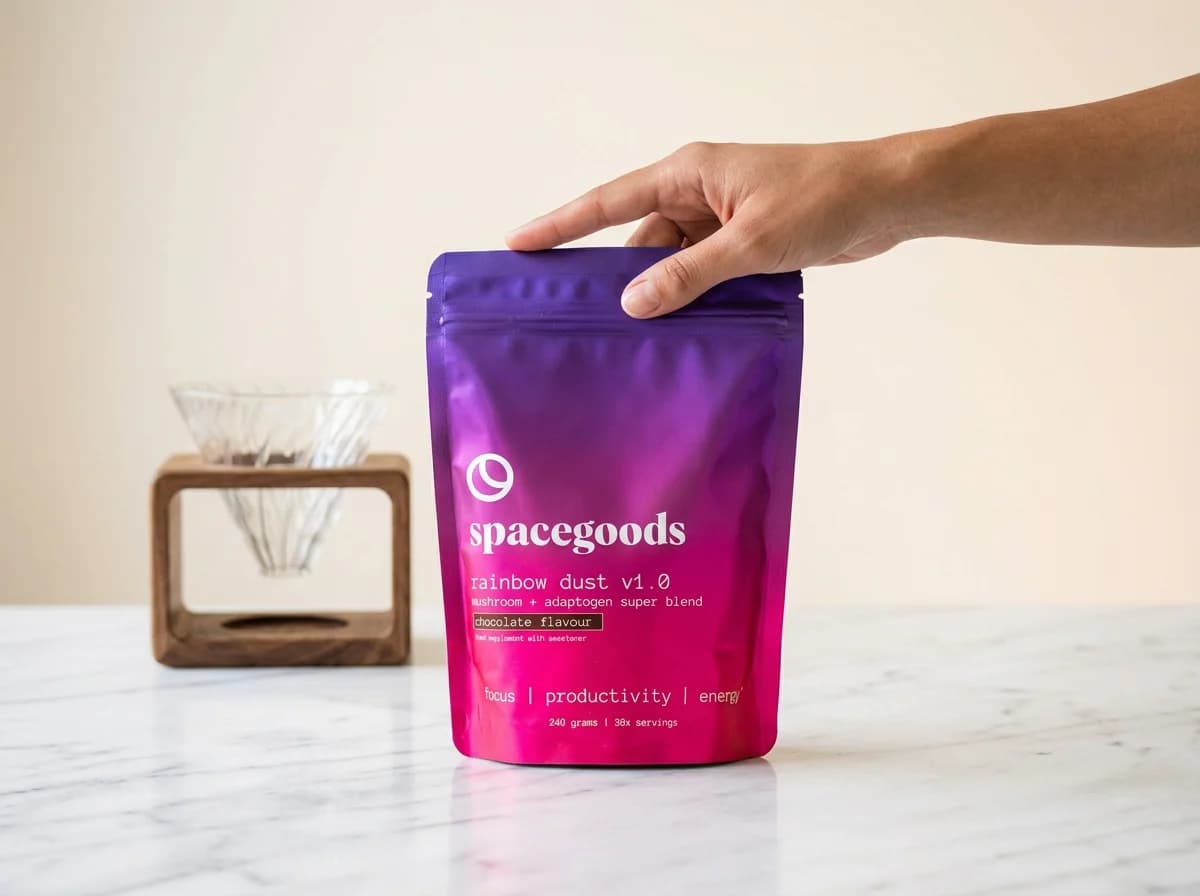
The branding and convenience are genuinely good. The resealable pouch, the included scoop, the vibrant packaging that doesn't look like a medical supplement. Spacegoods has nailed the aesthetic side, and the powder dissolves cleanly without clumping. For a product you're using every morning, those details matter.
What Could Be Better
It's more supplement than coffee. The caffeine comes from green coffee bean extract, not brewed coffee beans. If you love the ritual of grinding, brewing and savouring a proper cup of speciality coffee, Rainbow Dust won't scratch that itch. It's a powder you stir into water. Calling it "mushroom coffee" stretches the definition.
Individual mushroom dosages are diluted. With nine active ingredients sharing a 3,000mg total load, simple maths tells you that each individual extract receives a smaller dose than it would in a focused product. A dedicated lion's mane coffee like Balance Coffee's Lion's Mane Blend delivers 1,500mg of a single mushroom. Vivo Life delivers 4,000mg. Rainbow Dust spreads its budget across nine ingredients, and we'd like to see a full per-ingredient breakdown on the packaging. Currently, you're trusting the total number without knowing exactly how much lion's mane or ashwagandha you're actually getting.
It's expensive. At £39 for a 30-serving pouch, you're paying roughly £1.30 per cup. That's more than most ground mushroom coffees and approaching the price of a takeaway flat white. The ingredient density partially justifies the cost, but only if you're actually getting clinically meaningful doses of each component, and without a full per-ingredient breakdown, that's hard to verify.
The taste will divide people. This isn't a subtle point. If you're expecting coffee, you'll be disappointed. If you're expecting a pleasant functional drink with a roasted cocoa character, you might love it. Know which camp you fall into before buying.
Sustainability and Ethics
Spacegoods uses recyclable packaging and sources organic mushroom extracts. The brand publishes third-party lab testing results for heavy metals and contaminants, which is a positive transparency signal. The Food Standards Agency sets the regulatory baseline for supplements sold in the UK, and Spacegoods appears to meet those requirements. There's no Fairtrade certification, though given that the caffeine source is green coffee bean extract rather than whole beans, the standard fair trade supply chain doesn't apply in the same way. No B Corp certification at this stage. The brand's sustainability messaging is lighter than its wellness messaging, which feels honest rather than greenwashed.
Editor's Verdict: "Rainbow Dust is the Swiss Army knife of adaptogen blends. It does a lot of things at once, and none of them perfectly. The energy smoothing is real, the ingredient stack is impressive on paper, and the branding is strong enough to have made it one of the most talked-about wellness products in the UK. But it's not coffee. If you want a focused, high-dose mushroom coffee experience, look at Balance Coffee or Vivo Life. If you want a broad-spectrum daily adaptogen hit in a convenient, decent-tasting format, Spacegoods is the best version of that product we've tested."
| Evaluation Criteria | Our Findings |
|---|---|
| Format | Instant powder (dissolve in water or milk) |
| Mushroom Type | Lion's Mane, Cordyceps, Chaga + Ashwagandha, Maca, Rhodiola |
| Dosage per Serving | 3,000mg total adaptogens (per-ingredient breakdown not published) |
| Flavour Profile | Roasted cocoa, malty sweetness, earthy undertones, slightly bitter edge |
| Base Coffee Quality | Caffeine from green coffee bean extract (not brewed coffee) |
| Caffeine | 120mg (Coffee variant) |
| Taste Score | 7/10 |
| Value | ~£1.30/serving |
| Buy | Shop Spacegoods |
FAQs
Is Spacegoods Rainbow Dust actually coffee? Not in the traditional sense. Rainbow Dust is an instant adaptogen powder that contains caffeine from green coffee bean extract, not from brewed coffee beans. It has a roasted cocoa flavour profile rather than a classic coffee taste. If you're looking for something that tastes and brews like real coffee with mushroom benefits, a ground mushroom coffee like those in our best mushroom coffee brands UK guide would be a better fit.
How much caffeine is in Spacegoods Rainbow Dust? The Coffee variant contains 120mg of natural caffeine per serving, sourced from green coffee bean extract. The Chocolate variant contains 80mg. For context, a standard cup of filter coffee contains roughly 95-200mg, so Rainbow Dust sits at the moderate end of the spectrum.
What adaptogens are in Rainbow Dust? The full stack includes lion's mane, cordyceps, chaga (mushroom extracts), ashwagandha, maca root, rhodiola rosea (herbal adaptogens), chicory inulin (prebiotic fibre), and vitamin B5. Total adaptogen load is 3,000mg per serving, though Spacegoods does not publish individual dosages for each ingredient.
Is Spacegoods Rainbow Dust worth the money? At £1.30 per serving, it's one of the more expensive options in the mushroom coffee category. The value depends on what you're comparing it to. If you'd otherwise be buying separate lion's mane, ashwagandha, and cordyceps supplements, the all-in-one format could save you money. If you primarily want a mushroom coffee that tastes like coffee, there are better-tasting and more affordable options available.
Can you mix Rainbow Dust with regular coffee? Yes, and many users do. Adding a scoop to your morning espresso or filter coffee gives you the adaptogen stack alongside a familiar coffee taste. We tested this method with a shot from the Sage Barista Pro and found it worked well, the espresso's body and bitterness masked the more unusual flavour notes from the adaptogens. It's arguably the best way to use the product if you're a coffee purist.
James Bellis Forbes-featured coffee expert and wellness founder exploring the intersection of health, performance, and great coffee.
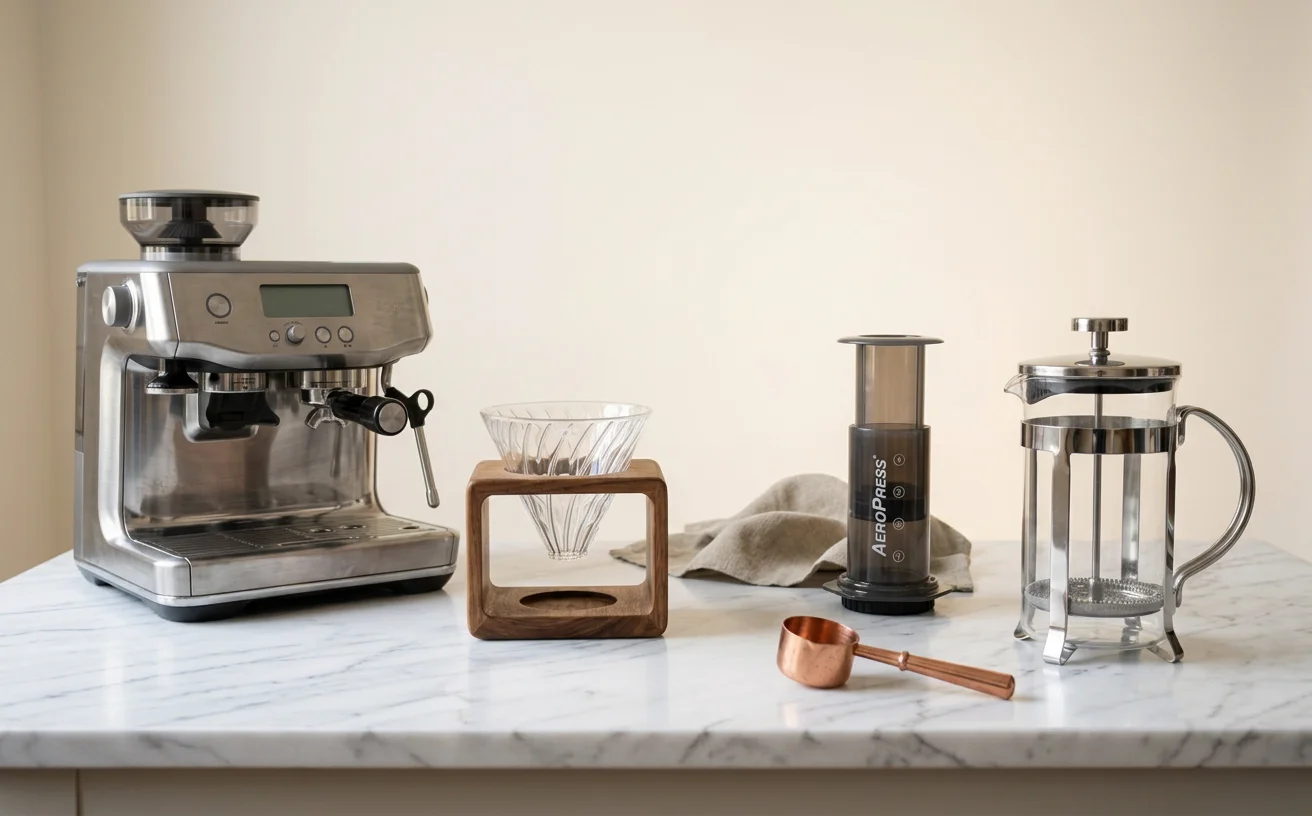
Every product on Balance Journal is tested using the same structured process in The Editor Lab. Four brewing methods, blind tasting, and a transparent scoring framework.
More Reviews
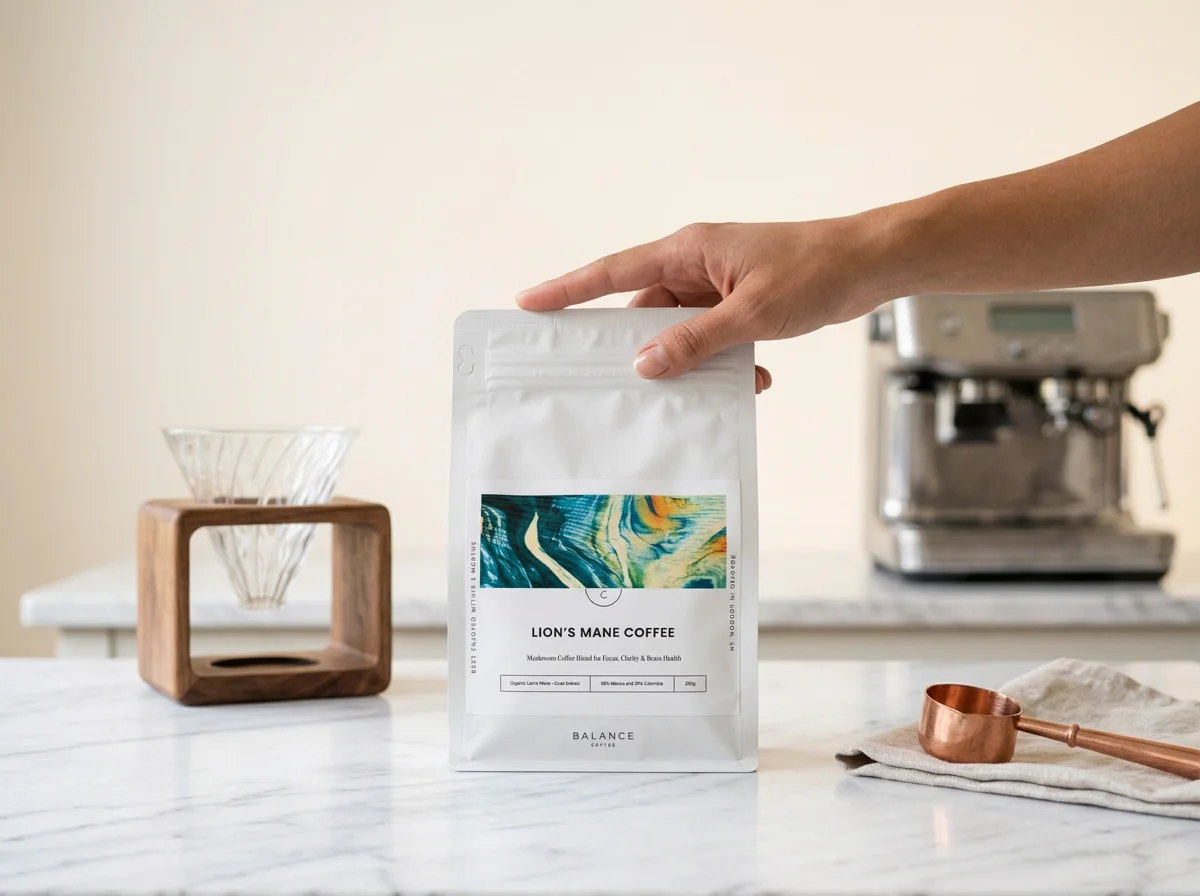
Balance Coffee Lion's Mane Mushroom Blend Review 2026: Tried, Tested, Honest Verdict
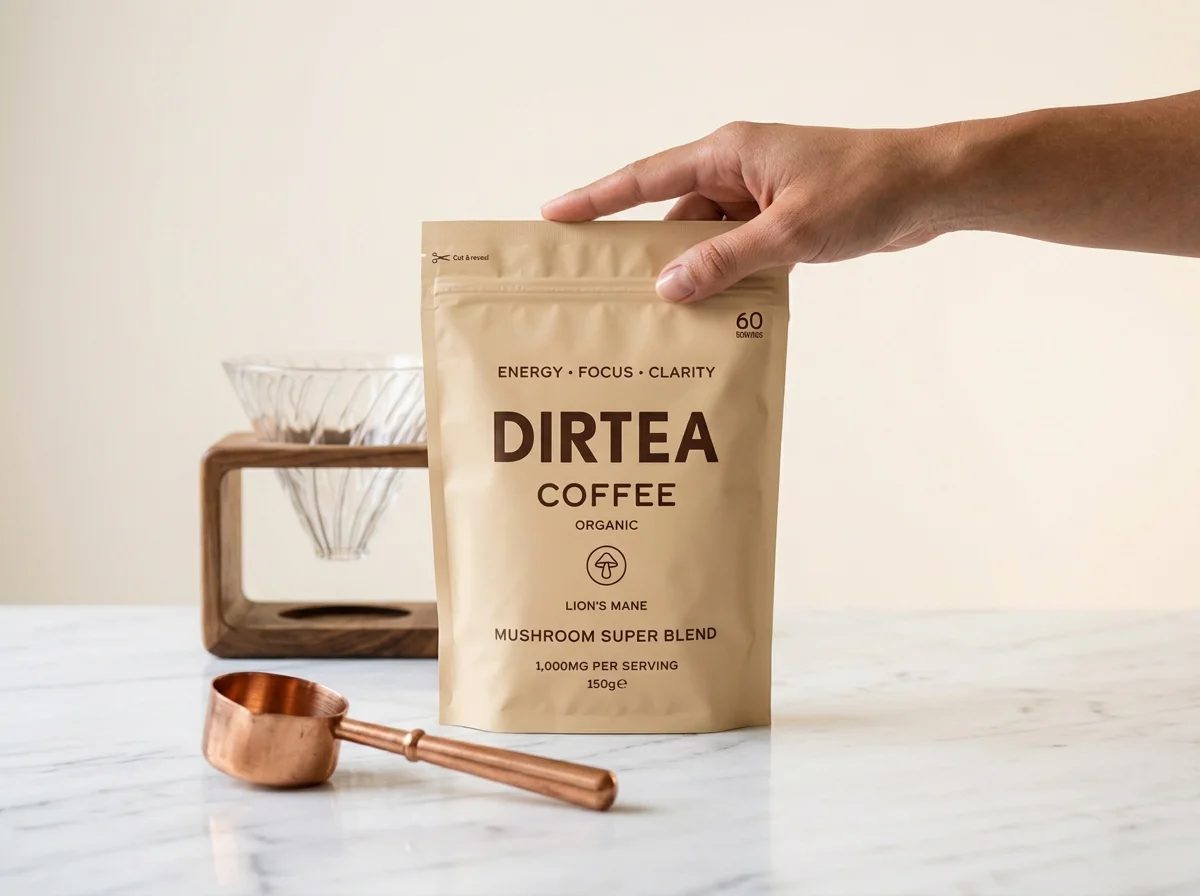
DIRTEA Mushroom Coffee Review 2026: Tried, Tested, Honest Verdict
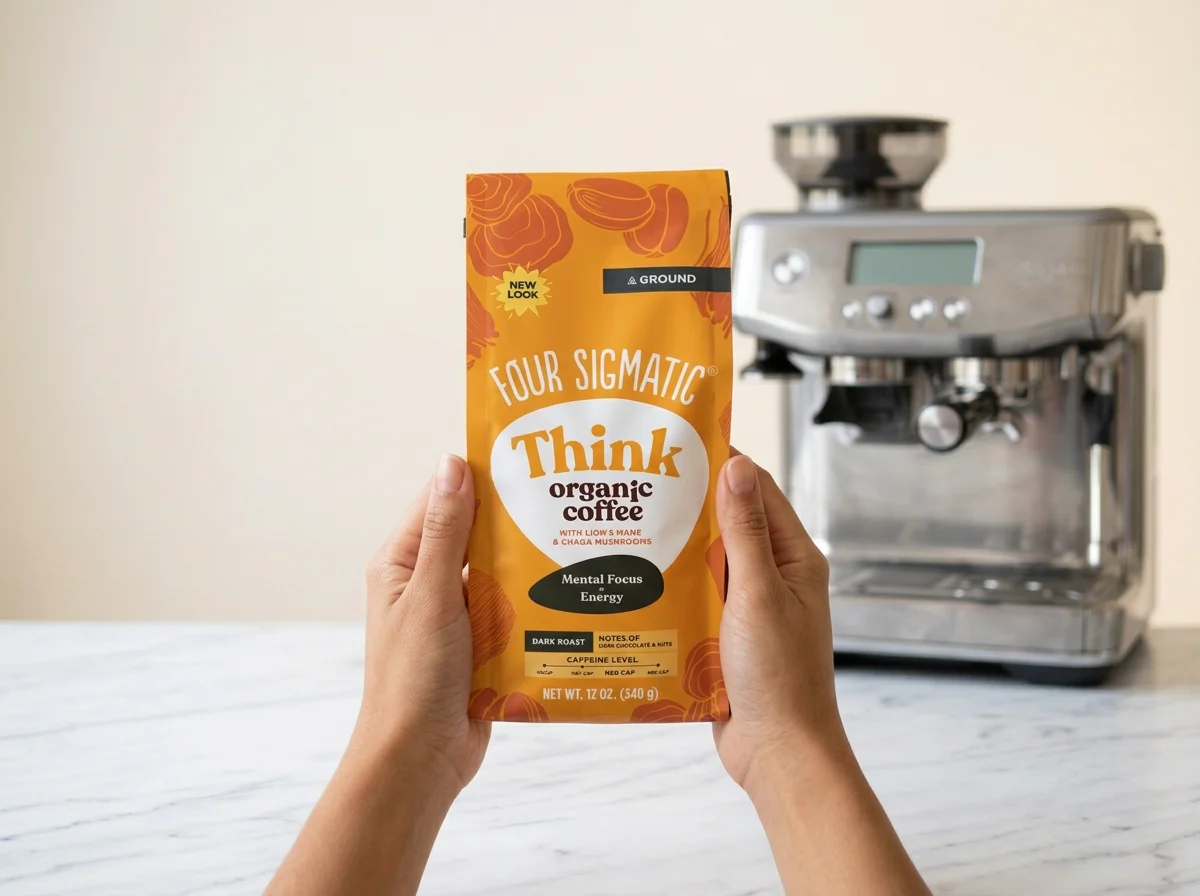
Four Sigmatic Think Coffee Review 2026: The Pioneer, Honestly Rated
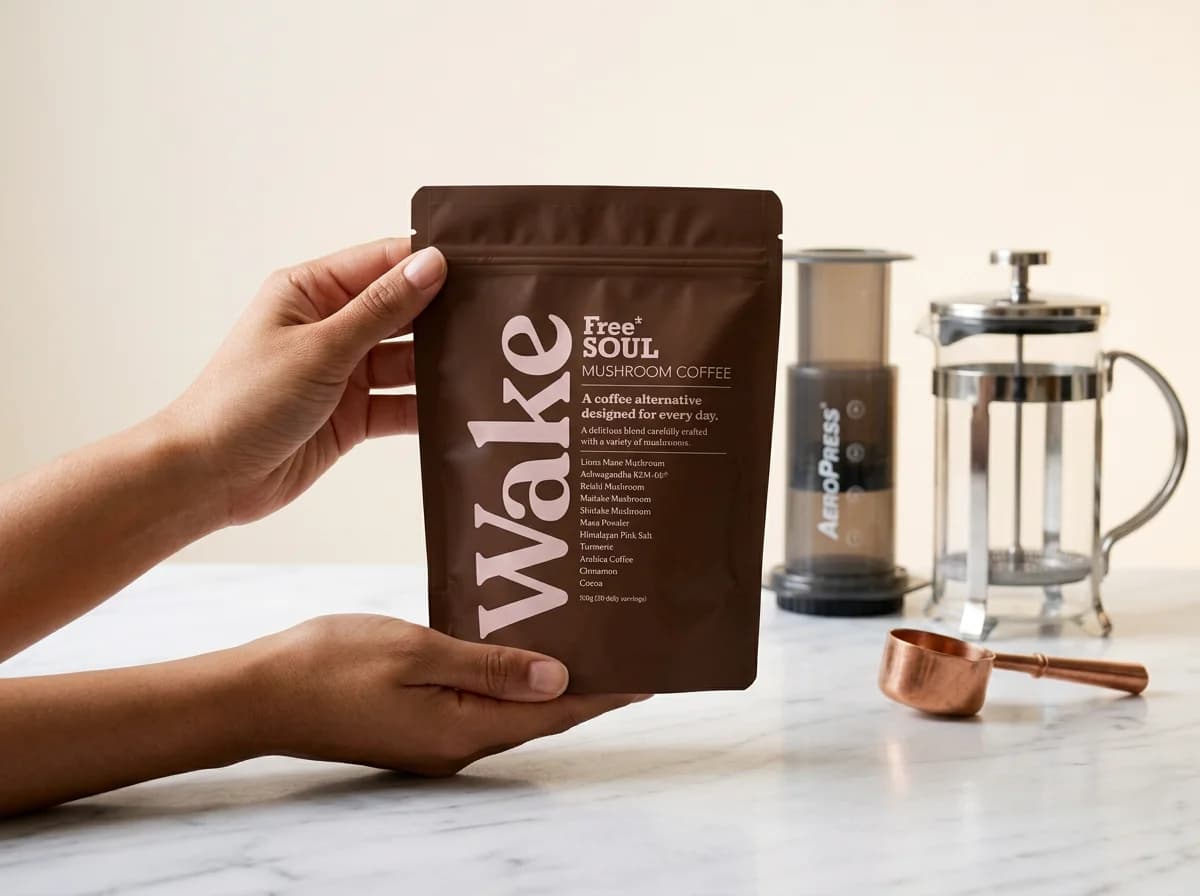
Free Soul Wake Review 2026: Tried, Tested, Honest Verdict
Healthy Yeti Mushroom Coffee Review 2026: Best Value, Honestly Rated